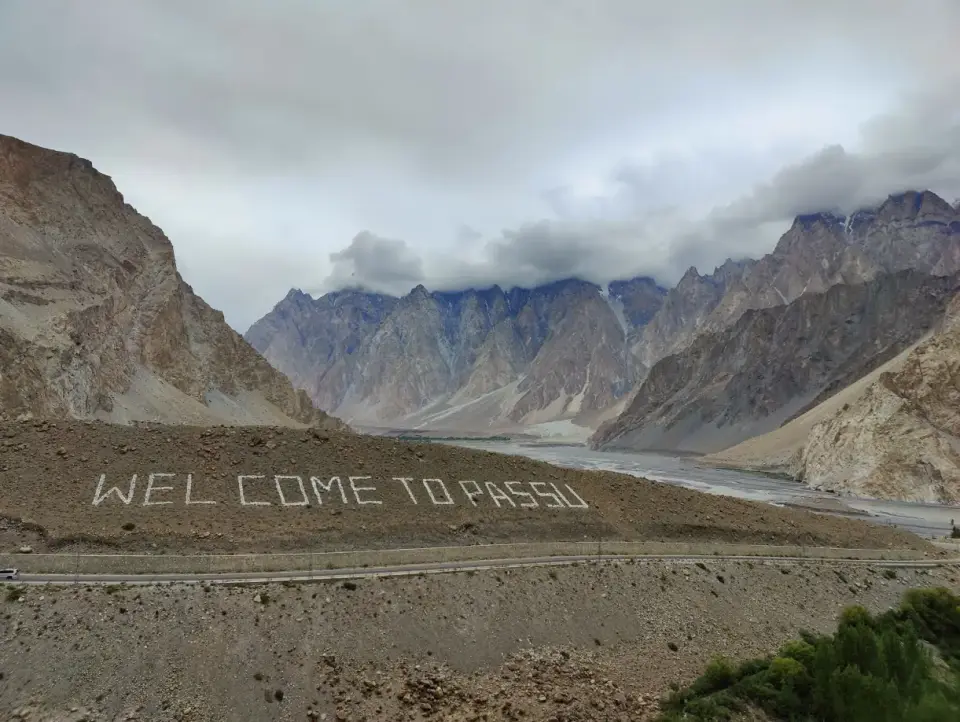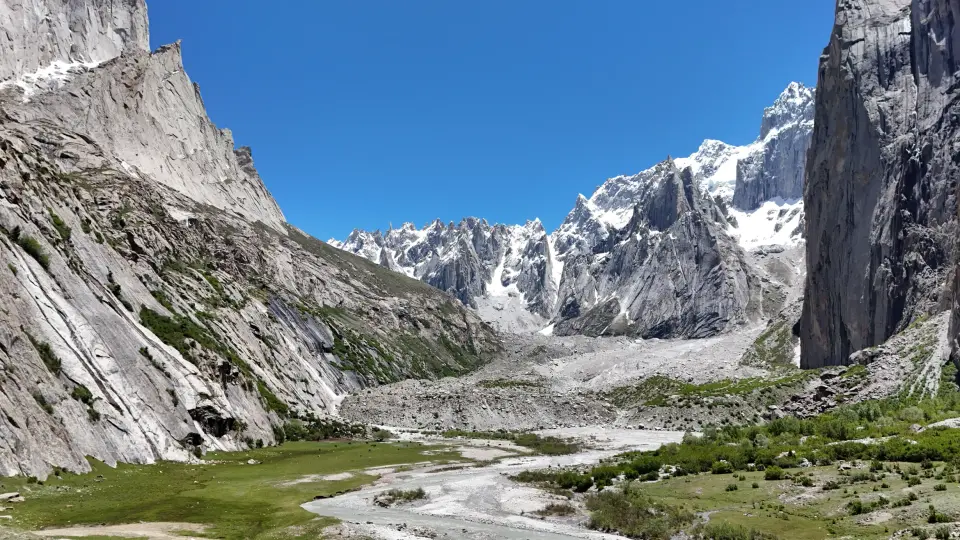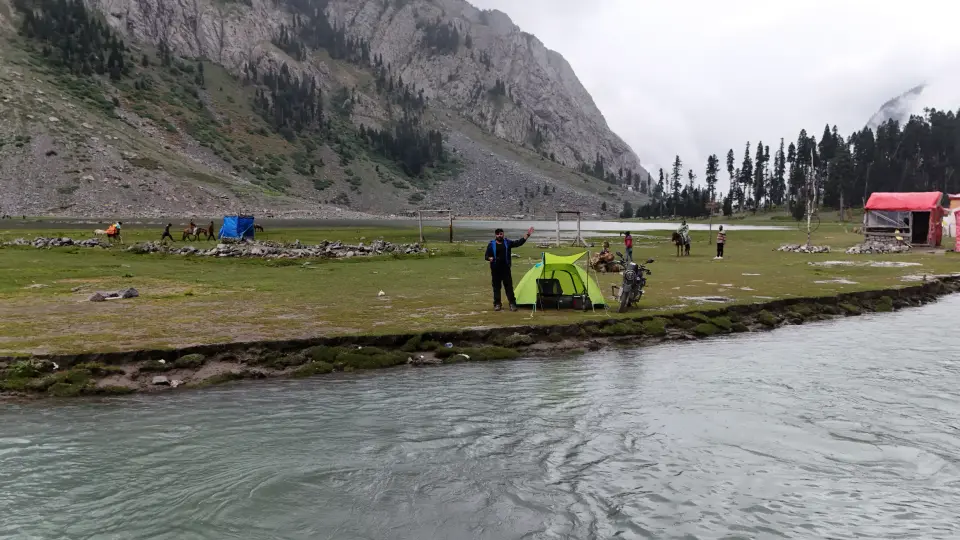
There is no single best month for every northern Pakistan trip. A traveler hoping for autumn valley photographs and a traveler planning a high trek are solving different problems. The useful decision combines the experience, the overnight location, road access, clothing and tolerance for disruption. This seasonal guide explains those tradeoffs without claiming that a calendar can predict road openings or guarantee snow, blossom or clear mountain views.
The short answer
Summer generally provides more possibilities for higher routes, spring and autumn suit many valley-focused trips, and winter needs a narrower itinerary with verified heating and access. These are planning tendencies, not promises: check the exact road, activity and forecast shortly before travel.
Field guide / 01
Start with the activity rather than a favorite month
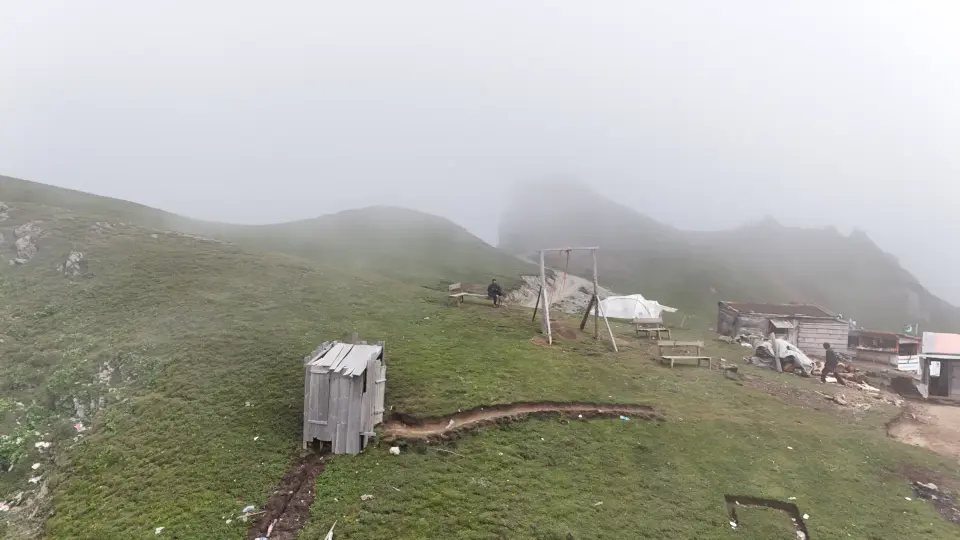
Write down the experience that would make the trip worthwhile: village walks, lakes, photography, riding, a high trek or a comfortable winter valley stay. Then ask which season supports that experience on the actual route. A hotel-based traveler can adapt more easily than a party relying on a remote camp. A biker may care more about road surface and daylight than a viewpoint’s colors. Rank the non-negotiables so a weather change does not force a decision between several equally important goals.
Use the seasonal tendencies below to create a shortlist, not a fixed booking assumption. Ask a provider to explain the limits of the plan in the chosen period. If the main attraction is unavailable, would you still enjoy the trip? If the answer is no, consider moving the dates or choosing a different activity. Paying more for a flexible arrangement may be worthwhile when the route has several weather-sensitive components.
Field guide / 02
Spring: valley travel with uncertain higher access
A spring journey can focus on settlements, lower valley walks and photography, but exact blossom timing varies by location and year. Do not buy a guaranteed blossom itinerary unless the terms explain what happens if flowering is earlier or later. Ask about the current landscape rather than treating a dated image as a forecast. Higher routes may remain unsuitable even when the valley accommodation is open, so keep those extensions out of the essential itinerary until checked.
Pack adaptable layers, weather protection and footwear that handles wet ground. Confirm heating at the overnight stay, especially when temperatures fall after sunset. A guesthouse that opens for spring visitors may not offer the same services as a busy summer property. Keep arrival and return transfers flexible enough for poor weather. If a pass is unavailable, a good valley itinerary should still contain meaningful local visits instead of replacing every day with longer driving.
Field guide / 03
Summer: more options does not mean unrestricted access
Summer can expand the range of higher outings, but it also brings demand, variable weather and the possibility of disruption. Confirm park and track access rather than assuming all passes are open. Reserve accommodation early when the dates are fixed, and ask for clear cancellation terms. For a remote camp, establish the weather fallback before paying for equipment. A road suitable for one vehicle in dry conditions may not be suitable for the same vehicle after rain.
Avoid planning every daylight hour. A shorter outing with room to wait or turn back is easier to manage than an itinerary that makes the next hotel depend on crossing a weather-sensitive route. Ask the driver about current conditions and stops; ask the guide about the trail, not just the destination. Carry sun protection and layers for higher exposure. A warm city departure does not justify leaving insulation out of the mountain bag.
Field guide / 04
Autumn: colors, daylight and the last higher outings
Autumn photography is attractive, but timing depends on valley elevation, weather and the particular trees or settlement you want to see. State whether the purpose is broad scenery or a specific color palette. A flexible valley circuit is more realistic than a promise of peak color on one exact day. Ask for current observations before finalizing outings. Do not assume that because a hotel remains open, every remote trail or seasonal road remains appropriate.
Build shorter days as daylight reduces, and keep warmer clothing accessible. Check whether seasonal camps, cafes or guiding services are still operating. If the itinerary includes a high route near the end of the season, define an alternative before arrival. The final return should not depend on the last opportunity to cross a pass. Comfortable valley stays can support excellent photography without making a remote overnight the test of whether the trip succeeds.
Field guide / 05
Winter: choose an accessible base with real heating
A winter journey should begin with accommodation and access checks, not a list of snowy viewpoints. Ask what heating the room actually uses, whether fuel or electricity supply affects it, whether hot water is dependable and how luggage reaches the entrance. Confirm the vehicle, driver experience and current road condition. A room labeled “winter-ready” needs operational details. Keep an alternative lower-base stay if the intended valley becomes difficult to reach.
Do not assume a winter photo opportunity is an organized snow activity. Skiing, snow travel and remote winter camping require their own equipment, supervision and risk assessment. Ordinary sightseeing can still be rewarding when the route is modest and the stay comfortable. Carry insulation appropriate to the overnight conditions and keep a dry change of clothing. If the only backup is to drive farther into uncertain weather, the itinerary needs revision before departure.
Field guide / 06
A seasonal comparison you can use in a booking brief
For a hotel-based first visit, compare spring or autumn valley travel with a summer circuit; choose according to the landscape and flexibility you want. For higher trekking or remote camping, establish a professionally assessed operating window rather than selecting the cheapest airfare. For winter scenery, prioritize a verified base and shorter outings. For motorcycle travel, ask about surfaces, weather exposure, luggage and available support. Each trip style should have its own conditions review.
The booking brief should name both the desired experience and the acceptable replacement. For example, you might accept a village walk instead of a high viewpoint, but not another remote drive. Specify the minimum room comfort and latest return date. Ask suppliers how a changed itinerary affects charges. A seasonal plan becomes more useful when it contains decisions you can make in advance, not only a table of recommended months.
Field guide / 07
Check forecasts, alerts and local operation close to departure
Use Pakistan Meteorological Department — forecasts and warnings for official weather information, then ask the relevant host, driver or guide about the particular route. A national forecast and a local road condition answer are complementary, not interchangeable. Record when the information was checked and which part of the plan it covers. An answer about a valley does not automatically apply to a higher pass. Keep an offline copy of the final plan and contact details before leaving reliable connectivity.
When conditions change, review the route as a whole: arrival, activity, overnight and return. Do not fix only the outward transfer and ignore the departure. Ask about cancellation, credits and extra-night costs before those questions become urgent. If providers disagree about access, seek the responsible authority’s answer or choose the simpler alternative. No travel guide should be used as live clearance to continue onto a closed road or unsuitable trail.
Field guide / 08
Ask for a season-specific northern Pakistan plan
Send your travel dates, main region, party size and activity priorities. Explain whether dates can move, how much disruption you can tolerate and whether you prefer hotels or camping. Include your departure booking and the buffer available. A planner can offer better options when your flexibility is explicit. If you need dependable warmth, connectivity or easy access, say so before reviewing properties. Those requirements are part of route selection, not minor details to settle later.
You can contact Farhan at Offbeat Camper for a conversation about seasonal route choices, accommodation enquiries, gear and local transport. Farhan can help identify the questions to verify and discuss suitable provider options. Availability and conditions still need confirmation; no season is sold here as guaranteed. For detailed base planning, compare the Hunza and Skardu guides before deciding which landscape suits your dates.
Keep exploring: Practical travel guides, the travel guides and the route-based gear checklist.