Skardu can mean the town, the airport gateway or an ambitious journey across Baltistan. Those meanings produce very different travel plans. An overseas visitor needs a practical map of priorities: a lake outing, a heritage valley, a mountain walk and a high plateau should not all be treated as interchangeable half-day stops. This guide explains how to build the route around actual travel and the experience you want.
The short answer
Use Skardu as a base, group the Kachura-side visits into one outing, separate Satpara and Deosai planning, and consider overnight stays for Shigar or Khaplu when they are central to your interests. Verify flight operation, road access and seasonal park arrangements before paying.
Field guide / 01
Make Skardu a base, not a daily race
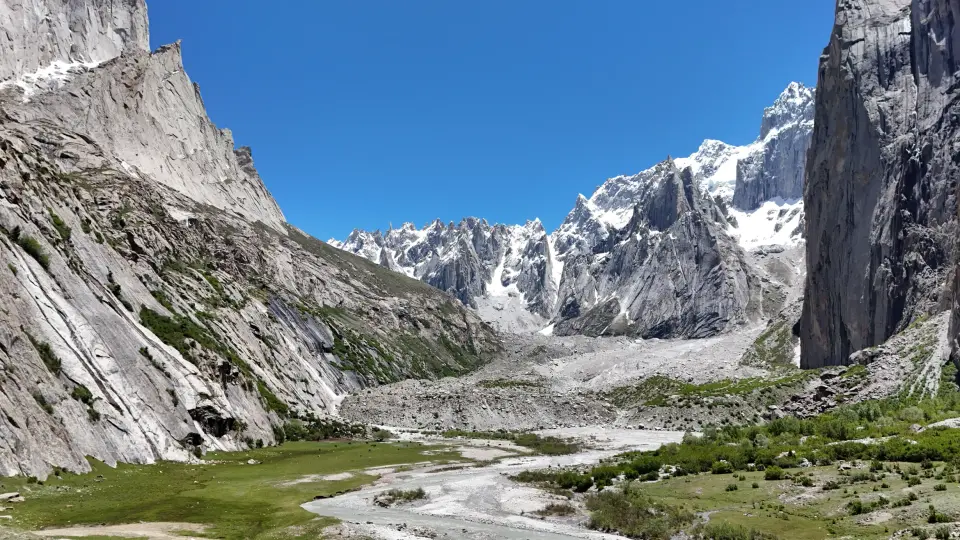
The GB Tourism — Skardu district identifies destinations including Kachura and Sadpara lakes, Kharpocho, Manthal and several surrounding valleys. These names establish a regional starting list, not an instruction to visit them all in one day. Choose a manageable number of interests and group them by direction. Give your arrival time, fatigue and local travel enough space. A flight that arrives late should not trigger a hurried drive to a remote overnight that depends on daylight.
Compare accommodation based on the outings it supports. A room near the town may simplify services and meals; a valley property may reduce repeated driving but create longer transfers elsewhere. Ask what happens if arrival moves by a day. Make sure the hotel and driver have compatible cancellation terms. The strongest plan remains enjoyable if a single flight or sightseeing stop is removed, rather than depending on every item being completed.
Field guide / 02
Kachura-side lakes: access, boats and realistic expectations
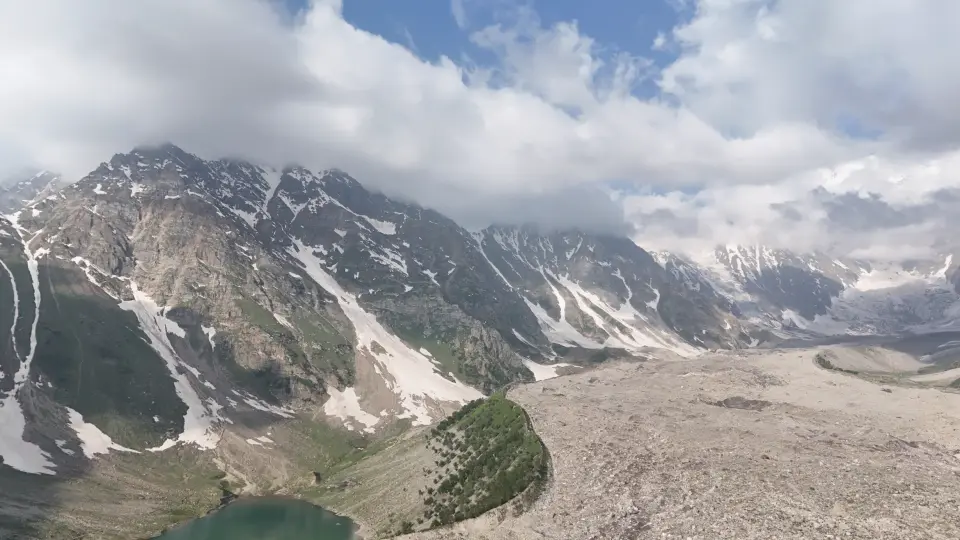
Treat lake visits as outings with their own practical questions. Where does the vehicle stop? How much walking remains? Is the path suitable for your group? Are entrance arrangements separate from a hotel or restaurant booking? Ask for current answers rather than assuming that the lake’s name means free or unrestricted access. If a location is part of a privately managed property, confirm the visitor policy before arriving. A beautiful image does not reveal the route from the parking area.
For any boat activity, ask about properly fitting flotation equipment, boarding assistance and weather limits. Do not choose a boat solely because it is closest to the photo position. Keep children and non-swimmers supervised and make it clear when a shore-based visit is preferred. Pack out snacks and water containers. Travelers with mobility concerns can still design an enjoyable lake day, but the plan should be based on verified access rather than optimistic descriptions such as “a short easy walk.”
Field guide / 03
Satpara and Deosai should have separate decisions
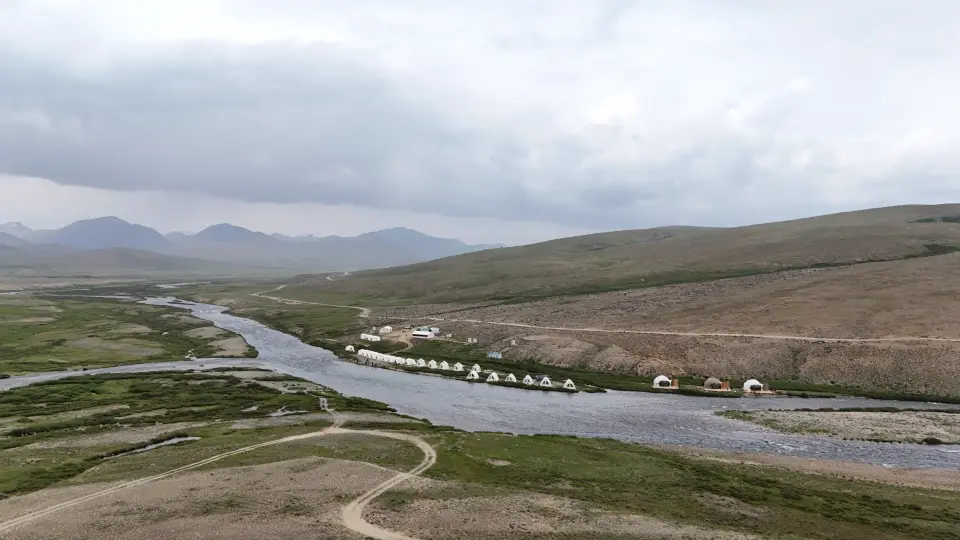
The official GB Tourism — Deosai describes a high plateau with an average elevation around 4,114 metres and seasonal access. That is a different environment from a lake stop closer to Skardu. Ask about the route surface, park entry, weather, vehicle type and return arrangements. Do not book a Deosai visit solely because the calendar says summer. Recent snow, rain, road works or access instructions may still change the day. Confirm whether the plan enters and exits by the same road.
An overnight on the plateau needs more than a daytime sightseeing kit: shelter, a sleep system, a responsible campsite, waste handling and a weather fallback. Use the existing Deosai camping guide for preparation, then verify current rules with the relevant authority. A traveler who wants comfort or has little experience at elevation may prefer a different outing. Do not let the word “camping” hide the practical responsibilities of a remote night.
Field guide / 04
Shigar and Khaplu: consider an overnight rather than a detour
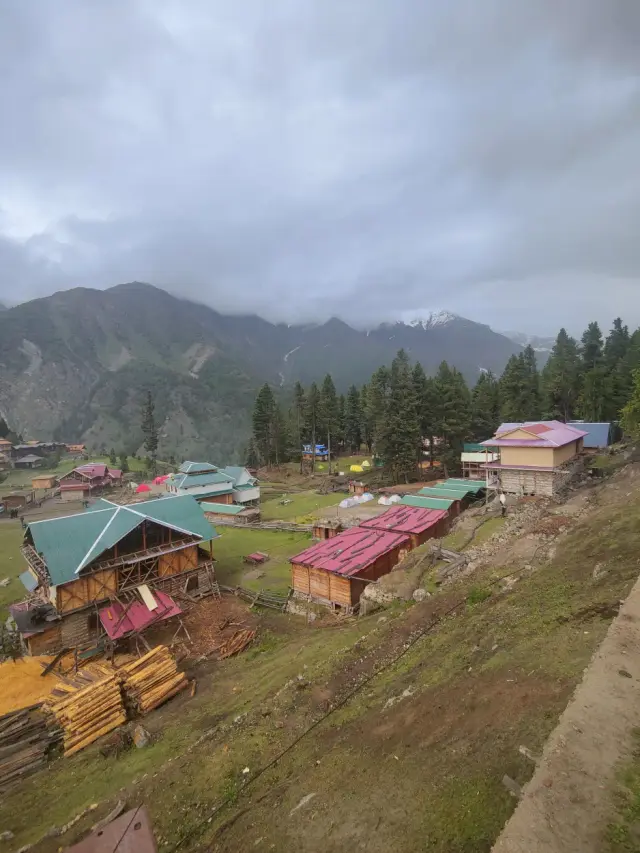
If heritage buildings, settlement walks or a slower valley experience are central to the trip, ask whether an overnight serves them better than a distant day excursion. Moving rooms has a cost in packing and transport, so make the change intentional. Agree which visits are actually included, where the driver stays and whether a guide is needed for interpretation or access. Allow for meals and rest rather than calculating the day from driving time alone.
First-party information from Serena Khaplu Palace — direct hotel information can help establish one property’s location and published facilities. It is an example of a direct verification channel, not an endorsement or partnership claim. Ask each provider for the room category, heating, hot water, access and cancellation terms. If an advertised experience is sold separately from the room, confirm that distinction before paying. A good stay should support the route, not force you into additional transfers you did not want.
Field guide / 05
Nangma, Basho and other valley walks need route-specific checks
A valley name is not a trail description. Ask where the walking begins, what terrain is involved, the intended turnaround and how a vehicle reaches the pickup point. The same destination may support a roadside visit, a walk or a longer overnight route. Determine which experience is actually being proposed. Carry suitable footwear and weather layers, and set a turnaround that leaves enough daylight for the return. A scenic valley should not become an improvised trek because nobody specified the route.
Farther excursions can involve privately managed access, seasonal tracks or local arrangements. Confirm those before committing and respect agricultural land, village paths and requests about photography. Do not advertise a campsite merely because another traveler once pitched a tent there. Ask who has authority to permit the stay. For a more demanding walk, obtain appropriate guiding and an emergency plan rather than relying on a driver to act as a mountain leader.
Field guide / 06
Flights, road connections and the return buffer
Check current flight schedules and baggage rules directly with the airline. A visible booking option does not eliminate weather disruption. Plan how a delayed arrival affects hotel check-in and the first transfer; keep your international departure protected by a sensible buffer. If a road connection is proposed as the fallback, confirm the exact corridor and your insurer’s position. A route that works for one nationality or insurance policy may not work for another.
Ask for the costs and responsibilities of disruption in writing. Will the driver wait? Does the room deposit move? Who can arrange an extra city night? Start with the international itinerary framework rather than adding flights after the sightseeing days are fixed. Verify weather through Pakistan Meteorological Department — forecasts and warnings, and use the people running the transfer for local condition checks. Neither an article nor a booking confirmation is a live guarantee that a mountain road remains open.
Field guide / 07
Choose rooms, meals and supplies before a remote extension
State whether you need dependable heating, a private bathroom, quiet rooms, early breakfast or dietary adjustments. Check how luggage moves if you change accommodation. Buy ordinary supplies while they are available, but do not assume a town shop has technical outdoor equipment in every size. A rented tent or jacket should be inspected before the route leaves services. Your food plan should cover the return as well as the outward excursion, especially if a remote cafe is seasonal.
For a family, confirm beds and bathroom arrangements rather than relying on a label such as “family room.” For a photographer, compare the realistic transfer to the intended viewpoint instead of choosing only from a hotel panorama. For a camping party, clarify whether the provider supplies cooking equipment, water treatment and waste removal. The more remote the plan becomes, the more important it is to separate what you carry from what a supplier promises to provide.
Field guide / 08
What to send Offbeat Camper for a Skardu enquiry
Send dates, party size, arrival point and the two or three experiences that matter most. Explain whether you prefer a town base or valley stays, walking or vehicle sightseeing, and hotels or camping. Include comfort requirements and the latest acceptable return date to your departure city. If you already have flights or rooms, say which bookings are fixed. A clear brief avoids paying for a circuit that duplicates services you already arranged.
You can contact Farhan at Offbeat Camper to discuss a Skardu and Baltistan route, accommodation enquiries, local transport, food planning or gear needs. Ask for named providers, an agreed scope and confirmation of any proposed service. No flight, campsite or hotel inventory is guaranteed through this guide. The role of local planning support is to make the choices understandable and checkable, so you can approve a realistic journey before transferring money.
Keep exploring: Pakistan destinations, the travel guides and the route-based gear checklist.