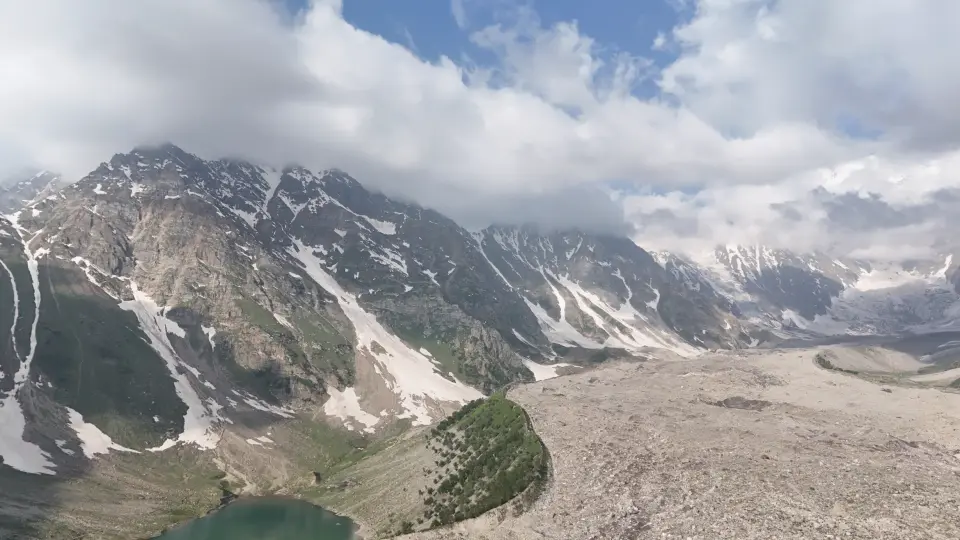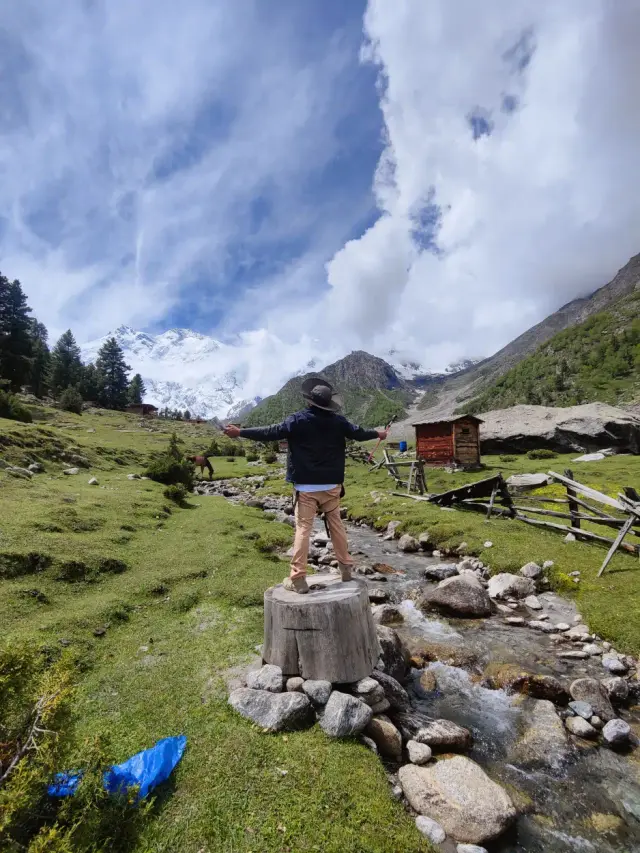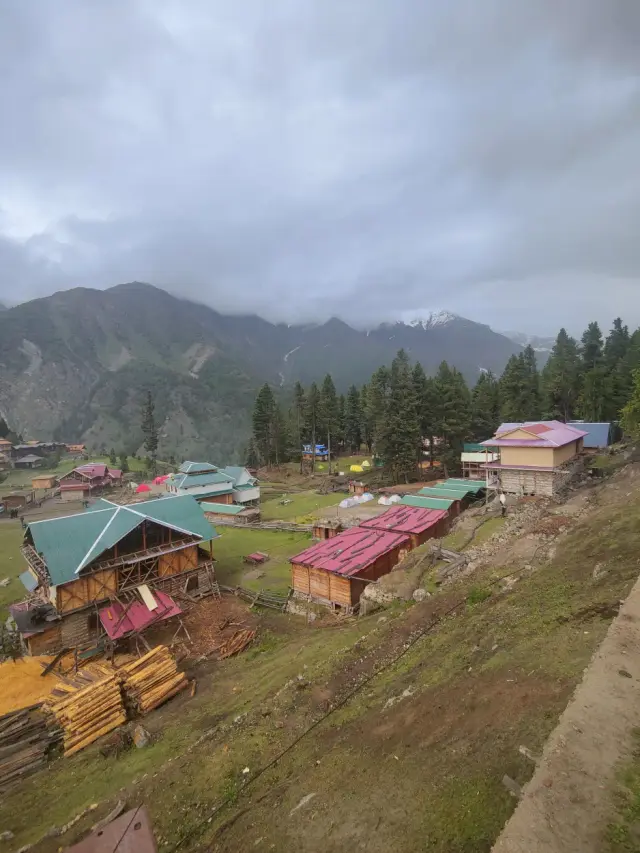
Hunza is not one viewpoint or one hotel. It is a sequence of settlements and landscapes that can support very different trips: comfortable cultural sightseeing, road photography, short walks or more demanding trekking. The best itinerary groups nearby interests and gives the valley time, instead of turning every famous name into a hurried stop. This guide separates those choices so an overseas visitor can ask useful questions before arrival.
The short answer
Base near Karimabad for settled-valley sightseeing, add an Upper Hunza stay for Passu and nearby excursions, and treat glacier or basecamp walks as separately assessed activities. Confirm current access and the return journey before booking a distant day trip.
Field guide / 01
Karimabad, Upper Hunza and Nagar are different bases
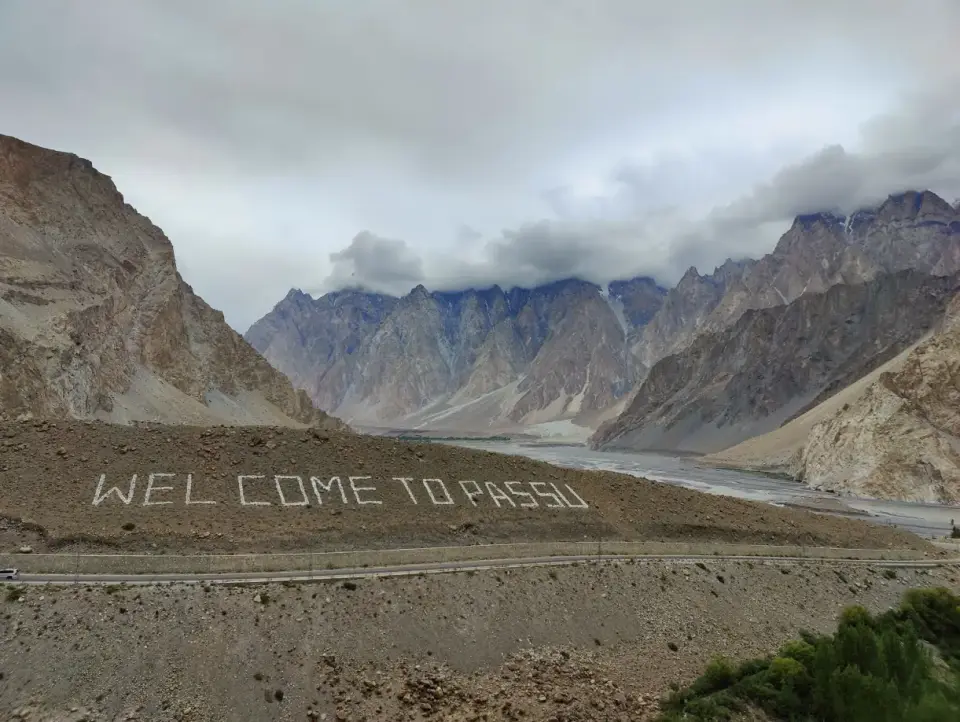
Start by separating the places on your map. A stay around Karimabad can support heritage visits, village walks and a settled base with services. Upper Hunza makes sense when Passu and the farther road corridor are priorities. Nagar sits across a different set of approaches and is useful when your interests include Rakaposhi or Hoper. A hotel marketed simply as “Hunza” may be a substantial drive from the activity that brought you there. Ask for the exact location, not only the valley name.
Use Gilgit-Baltistan Tourism — official destination information to establish the destination context, then confirm the practical transfer with your driver and host. Decide whether moving accommodation once will save repetitive driving. Travelers who prefer unpacking only once can still have a good journey: reduce the radius of day trips rather than forcing a distant loop. Keep arrival and departure days lighter than the full sightseeing days, particularly after a long road transfer.
Field guide / 02
Heritage, village walks and photography without a checklist
Group heritage stops and local walks into a manageable day. Confirm opening arrangements, entrance terms and any photography restrictions directly rather than treating an online itinerary as an operating schedule. A landmark visit becomes more meaningful when you allow time for the settlement around it. Ask before photographing people, entering courtyards or using a drone. A beautiful setting is still someone’s home, farm or workplace; visitor interest does not create unrestricted access.
For sunrise and sunset plans, check where you can stand safely and how you will return after dark. Choose a viewpoint with a clear legal stopping place rather than parking on a blind road bend. Carry an extra layer and keep your camera away from the edge while changing lenses. If the light is poor, a shorter village walk or indoor visit can be a better use of time than driving farther in pursuit of an image you saw online.
Field guide / 03
Attabad Lake and Passu: plan the whole outing
Do not reduce an outing to a boat photograph and a roadside stop. Ask where the vehicle can park, how much time remains for the onward drive and whether the weather makes a lake activity sensible. With any boat operator, ask about properly fitting flotation equipment, boarding conditions and cancellation when wind changes. If the answer is vague, choose a shore-based visit. Boat prices, operating hours and permitted activities are deliberately not fixed in this guide.
Passu photography also deserves a practical plan: a safe stopping position, a meal or rest break, and enough daylight to reach your accommodation. Bridges and roadside viewpoints are not automatically suitable for every traveler. Assess footing, exposure and your own comfort rather than copying a posed video. If Passu is the main reason for the journey, consider an Upper Hunza overnight instead of treating it as the last distant stop in an already crowded day.
Field guide / 04
Rakaposhi, Minapin and the difference between peak and trail
The official GB Tourism — Rakaposhi and Nagar describes Rakaposhi as a 7,788-metre mountain and identifies Nagar approaches and viewpoints. That mountain elevation is not the height you should expect to walk to on a sightseeing day. A roadside view, a village stay and a basecamp trek are three different activities. Establish the proposed turnaround point, sleeping location and expected terrain before accepting the label “Rakaposhi trip.” A summit expedition is not an extension of a casual basecamp walk.
For a walking plan, ask a local guide about current trail condition, water, weather exposure, return options and whether an overnight is required for your pace. Photos of strong hikers arriving at a viewpoint do not establish that the route fits a beginner. Let the plan accommodate your fitness and experience instead of treating the fastest recorded time as a target. Our trekking guide explains the questions to ask before committing to mountain terrain.
Field guide / 05
Glacier viewpoints are not permission to walk onto ice
A glacier seen from a maintained viewpoint and a crossing of glacial terrain should never be sold as the same experience. Broken ice, unstable debris, meltwater and route changes require appropriate assessment and expertise. Do not wander beyond an established viewing area to reach a photo position. A guided route should specify whether it actually involves ice, what equipment is needed and how the guide decides to turn back. If that information is unavailable, choose a non-glacial alternative.
Read the trekking, glacier and permit guide before adding Hoper, a basecamp or any glacier-related outing to your brief. Share your genuine experience level with the provider. A planner can help compare options, but a qualified professional on the ground must judge the terrain. No article, map marker or panoramic photograph can confirm that a glacier route is passable on your travel date.
Field guide / 06
Khunjerab is a high-altitude outing, not an automatic add-on
A farther border-area excursion needs its own access check, transport plan and assessment of altitude exposure. Confirm visitor entry arrangements, current restrictions, opening status and return timing before setting out. Carry identification requested by the authorities, but never assume that an ordinary tourism plan permits every border-area activity. Dress for the exposed conditions rather than for the weather at your hotel. If the route is unavailable, the itinerary should still offer a worthwhile local day.
Do not use a rapid high-altitude visit to test your toughness. Anyone with health concerns should obtain pre-travel medical advice; symptoms during ascent require a cautious response and access to professional help. Keep the driver informed if someone feels unwell and do not let a paid excursion override a decision to turn around. The correct fallback might be a lower valley walk, a heritage stop or a rest day, not another equally high destination.
Field guide / 07
Accommodation, meals and transport questions for Hunza
Tell a host whether you need heating, dependable hot water, quiet rooms, easy access or a specific meal arrangement. Ask whether the quoted room is in the photographed building and whether road access reaches the entrance. For a driver, describe the entire route and luggage, then check what is included in the daily charge. A vehicle that suits the main highway may not suit an optional side valley. Agree how a changed excursion affects the price before the trip begins.
Use direct property information such as Hunza Serena — direct hotel information as a reference for location and published facilities, not a claim that it is the best property or an Offbeat Camper partner. Compare it with other suitable stays using the same checklist. Dietary preferences, allergies and meal timing should be confirmed with the actual kitchen. Your accommodation and food brief is more useful when it states priorities rather than only a nightly budget.
Field guide / 08
Send a Hunza brief that local support can act on
Describe how many nights you can spend in the valley, your arrival and departure points, the places that matter most and which ones are optional. Explain walking ability, room comfort expectations and whether you want a private driver, local introductions or itinerary advice only. Include the possibility of weather disruption. Avoid sharing passport details in an initial public enquiry; those can be requested through an appropriate private channel if a confirmed service needs them.
If you want help separating these choices, contact Farhan at Offbeat Camper. Ask specifically about Karimabad versus Upper Hunza stays, a realistic Passu outing, a Nagar extension or transport compatible with your interests. Farhan can discuss local planning support and enquiries for rooms, meals, vehicles and gear. Confirm availability, provider responsibility and payment terms before booking. The objective is a route that fits you, not an unnecessarily large circuit built to fill every day.
Keep exploring: Pakistan destinations, the travel guides and the route-based gear checklist.