A useful gear list is a system, not a collection of brands. Boots, layers, shelter, sleep equipment and luggage have to work together for the route you have actually booked. Overseas visitors also need to decide what can be trusted to local availability and what is too important to leave until arrival. This guide helps with those decisions without claiming that a particular shop or rental inventory has been independently certified.
The short answer
Bring fit-critical personal items, choose insulation and shelter for the route’s actual overnight conditions, and inspect rented equipment before leaving services. Use retailer sites to check specifications and stock, not as proof of authenticity or suitability. Technical mountain equipment requires specialist advice and appropriate training.
Field guide / 01
Write the conditions and activities before the shopping list
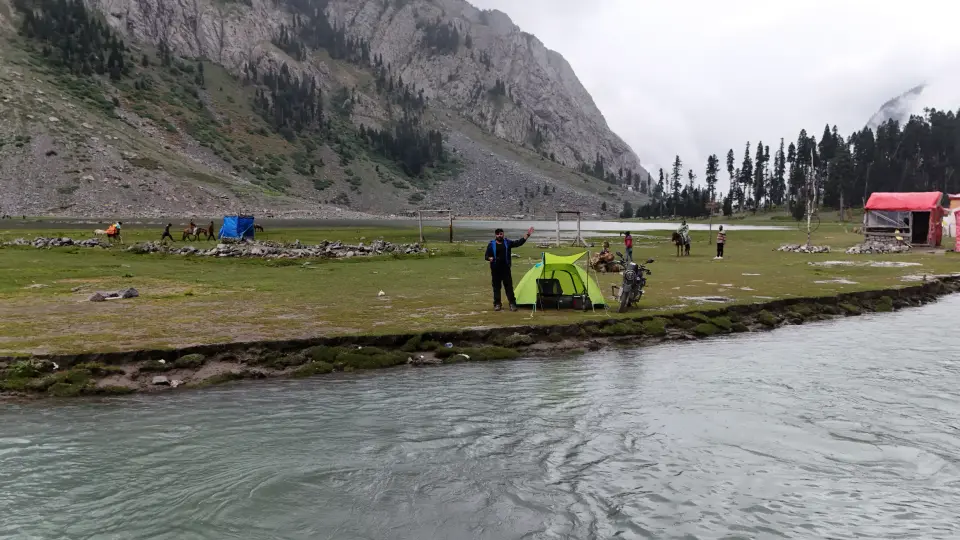
Describe overnight locations, expected exposure, transport mode and whether the trip includes camping, ordinary walking or technical terrain. A hotel-based sightseeing traveler does not need an expedition packing list. A remote camp needs more than a day bag. Identify which equipment a confirmed provider supplies, then ask for the actual specification and condition. Avoid buying duplicates simply because a generic internet list includes them. The goal is a manageable system whose limits you understand.
Separate essentials from comfort items and camera equipment. First solve staying warm and dry, walking comfortably, drinking safely and carrying the load. Then decide what earns the remaining space. The travel schedule matters too: an airline baggage limit and a motorcycle luggage system create different constraints. Make the return journey part of the packing decision, especially if wet camping equipment must be carried into a hotel or onto a flight.
Field guide / 02
Bring footwear and fit-critical personal gear
Footwear should match terrain and be tested before the trip. Buying boots immediately before a trek leaves little time to learn about fit, pressure points or socks. Bring the personal items whose fit is essential when possible: suitable boots, familiar layers and any protective equipment you already know works. Do not assume a rental has every size or that a brand name means an item fits. Try equipment with the layers and luggage you will actually use.
For riding, a helmet and protective clothing should be appropriate and properly fitting. For walking, compare support, grip, weather protection and comfort instead of selecting only the most rugged-looking design. If your footwear is unsuitable for the proposed route, revise the equipment or route before departure. A packing list cannot repair an unresolved fit problem. Keep a modest repair and care kit for ordinary maintenance, but do not plan to solve serious faults in a remote valley.
Field guide / 03
Layers, weather protection and overnight warmth
Use layers that can be adjusted as effort and weather change. Keep weather protection and an insulating layer accessible, not at the bottom of a bag under camera gear. Ask for the expected overnight conditions and the limits of the itinerary. A valley temperature does not describe a higher campsite, and a sunny image does not describe wind exposure. Choose clothing based on the actual route and your own needs rather than a month’s generic average.
Protect spare clothing from rain and pack a dry change for the overnight. Check closures, seams and fit before leaving. For winter plans, clarify whether the stay has reliable heating and whether your kit handles time outdoors as well as the room. If a provider supplies jackets or insulation, inspect them and confirm sizing before payment. An item described as “warm” needs a more useful explanation of its intended conditions.
Field guide / 04
Shelter and sleeping equipment must work together
A tent should be suitable for the terrain and conditions, complete with the necessary poles, pegs and attachments. Pitch it before leaving services, especially if it is rented. Check fabric, closures and the way the outer and inner fit. Ask how the campsite will be selected and what happens if the weather exceeds the plan. A tent purchase is not permission to camp anywhere, and a stronger-looking shelter does not replace good site selection or a responsible weather decision.
For sleeping equipment, compare the manufacturer’s stated rating system and the actual item condition, then consider the ground insulation and your personal comfort. Do not rely on an unlabeled seller’s temperature claim. A mat and sleeping bag are a combined system, not separate badges of preparedness. If the planned night is outside the equipment’s suitable range, obtain appropriate kit or change the overnight. Avoid using a remote camp as the first test of unfamiliar gear.
Field guide / 05
Buying in Pakistan: specifications before shop rankings
A Lahore-based retailer example is Shimshal Adventure Shop — retailer catalogue, whose catalogue can help you see available categories and published specifications. This is not an endorsement, authenticity certificate or live-stock guarantee. Ask the seller about the exact model, sizing, warranty, returns and whether the item shown is the item supplied. Verify technical claims against the original manufacturer where possible. Compare the total cost and support, not only a discounted price.
Arrange a visit or delivery with enough time to inspect the product. Avoid leaving critical purchases until the last city evening before a mountain transfer. A marketplace listing may have a different seller and return process from a retailer’s own site. For life-safety or technical climbing equipment, seek competent specialist advice and traceable products; a plausible photograph is insufficient verification. If you cannot establish suitability or provenance, do not build the activity around the purchase.
Field guide / 06
Renting: inspect, record and agree responsibility
Request the actual equipment list and inspect it at handover. Count components, check condition and record existing damage with the provider’s consent. Clarify the deposit, return date, cleaning expectations and what happens if weather changes the itinerary. Ask who replaces a faulty item before departure. A list saying “camping gear included” does not establish whether it includes cooking, lighting, sleep equipment or only a tent. Resolve those differences before leaving the city.
Rent shared items when their specification and condition are suitable, but be cautious with fit-critical or safety-critical gear. Confirm sizes and test the item. If technical equipment is proposed, ensure the provider and users have the competence to select and use it. Renting a rope or harness does not qualify someone to manage a glacier or climbing route. Change the activity when the required equipment, training or professional support cannot be confirmed.
Field guide / 07
Water, cooking, power and packing logistics
Decide how drinking water will be obtained and treated, using a method suited to the conditions and manufacturer instructions. Keep a fallback if the expected supply is unavailable. For cooking, confirm the stove and locally available fuel, and check airline restrictions before packing any fuel-related item. Do not improvise unsafe containers or assume camping equipment can travel unchanged on every flight. Ask the airline about the specific item rather than relying on another traveler’s experience.
Plan power around necessary communication first, then photography. Protect batteries and electronics appropriately and keep essential information available offline. Spread important items so one lost bag does not remove the entire system. If traveling by motorcycle, secure luggage and test the loaded bike before a longer ride. If porters or a vehicle carry shared equipment, label it clearly and agree weight limits. Packing well means the correct item is accessible when needed.
Field guide / 08
Ask for route-based gear support, not a generic shopping tour
Send the activity, dates, overnight plan, party size, personal sizes and the gear you already own. Ask what is genuinely missing and whether buying, bringing or renting makes sense. Include luggage restrictions and time available in Islamabad, Lahore or Karachi before the north. Request exact specifications and a chance to inspect any supplied item. A local introduction can help find options, but it cannot turn an unverified product into suitable technical equipment.
You can contact Farhan at Offbeat Camper for gear enquiries connected to a route. Any sourcing or rental coordination requires provider confirmation, an agreed scope and inspection before use. No shop partnership, guaranteed stock or equipment ownership is claimed. Use the My Gear List hub and motorcycle camping packing guide to keep the list organized around the journey instead of an expanding collection of purchases.
Keep exploring: Outdoor and motorcycle gear, the travel guides and the route-based gear checklist.