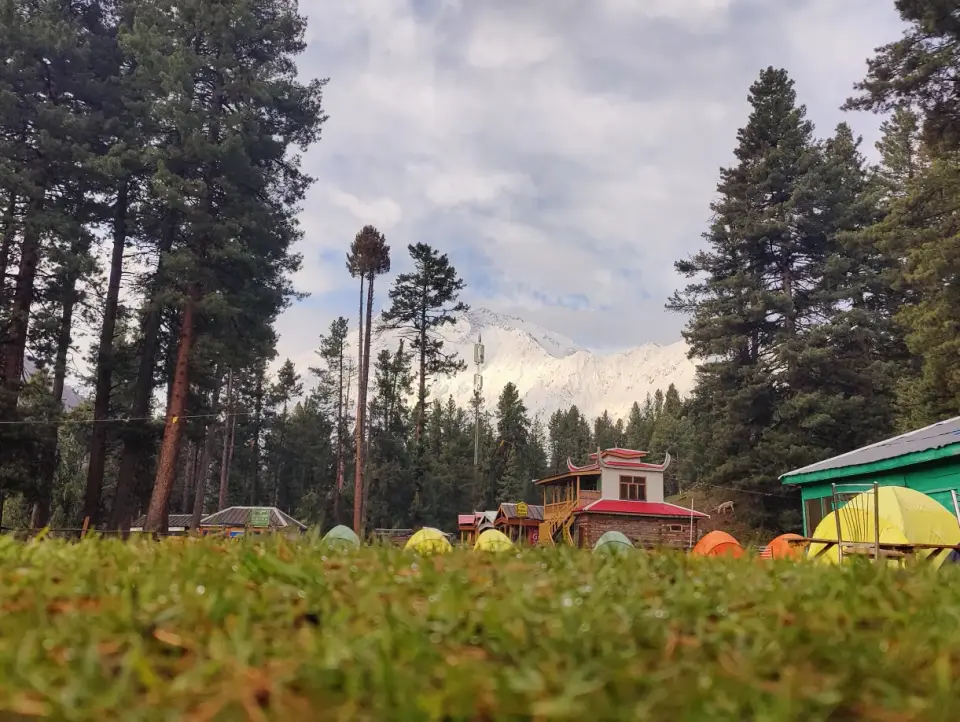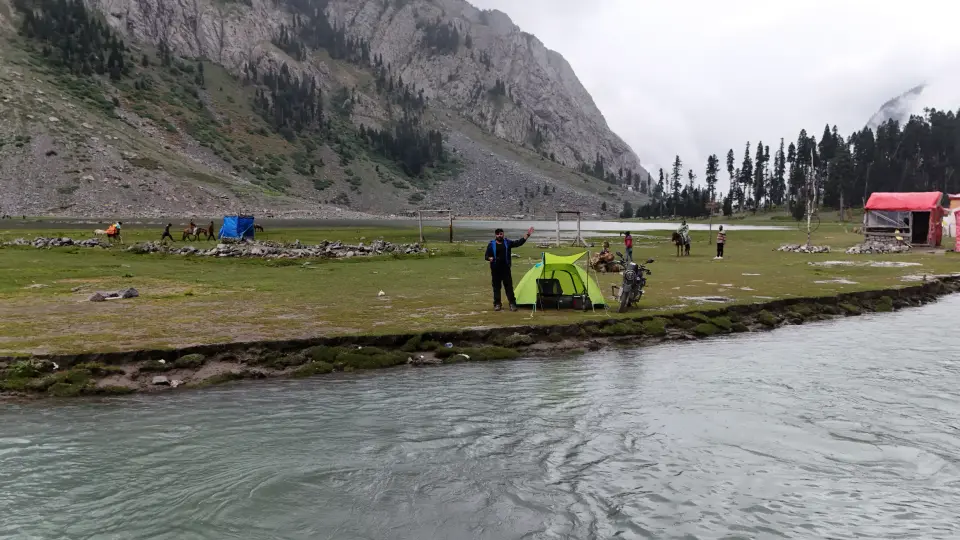
The most important mountain question is often not “How high is it?” but “What are we actually doing?” A road viewpoint, a basecamp walk and a summit expedition differ in preparation, permissions, terrain and emergency support. Foreign visitors should resolve these differences before booking a flight or sending a deposit. This guide supplies a decision framework and official sources, not a blanket legal clearance or individualized medical advice.
The short answer
Match the visa and approvals to the exact route and activity; sightseeing, open-area walks, restricted trekking and mountaineering are not the same process. Use NADRA and the relevant tourism authority, verify a guide’s qualifications for the terrain and never treat a glacier viewpoint as permission to cross ice.
Field guide / 01
Define the activity before asking about a permit
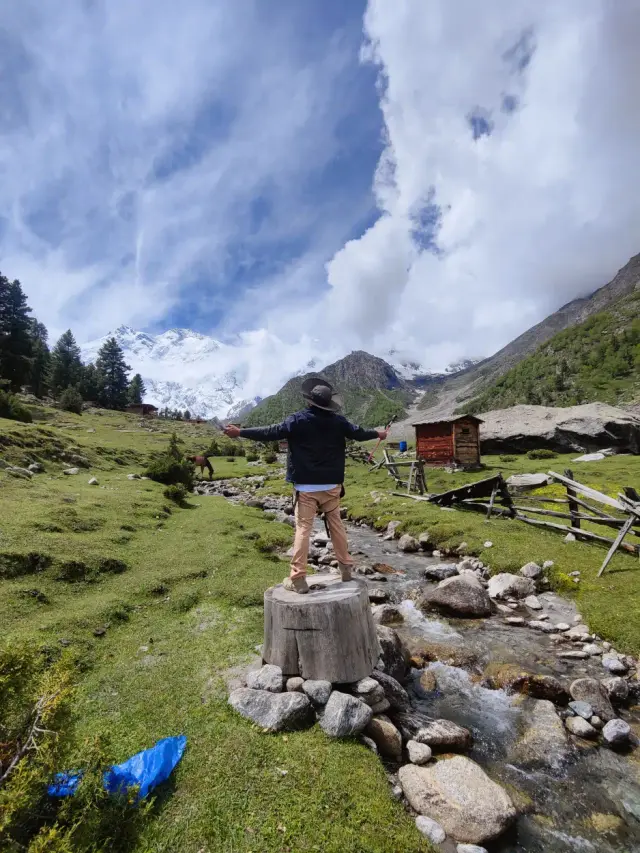
Write the intended route, starting point, overnight locations and highest objective in ordinary language. State whether the plan crosses ice, enters a restricted area or attempts a summit. Labels such as “adventure trek” are not specific enough for an authority or insurer. If a provider cannot name the route, request that information before comparing quotations. The permit conversation should be about the activity you will undertake, not the marketing label attached to it.
Separate the approvals that may be involved: entering the country, visiting an area, using a protected site and undertaking a particular mountain activity. A tourist visa does not automatically answer every other question. Likewise, an entrance ticket does not turn a technical route into an authorized expedition. Ask which body issues each approval, how it is confirmed and who is responsible for submitting information. Keep copies available offline once the process is complete.
Field guide / 02
Use official visa and GB permit channels
Begin with NADRA — Pakistan online visa portal and the Directorate of Tourist Services, Gilgit-Baltistan. Describe your nationality, dates and exact activity to the relevant authority. Rules and fees can change, so this guide deliberately avoids an all-purpose price or guaranteed processing time. Start well ahead of travel and do not assume a last-minute application can be resolved by a local contact. A provider may coordinate paperwork, but authorization remains the authority’s decision.
Ask for the official reference and an explanation of any additional requirements: operator arrangements, reporting, liaison or briefing, route changes and restricted-area conditions. Verify the answer through the issuing body when unclear. Never choose an incorrect visa category to avoid a process, or conceal the activity you intend to undertake. If approval is not available in time, choose an appropriate alternative route rather than relying on an informal assurance that nobody will ask.
Field guide / 03
Peak elevation, sleeping elevation and height gain are different
A mountain’s summit height describes the peak, not the altitude of a viewpoint or a basecamp. A route’s ascent describes movement, not necessarily the night’s sleeping elevation. Ask for all three where relevant: starting elevation, overnight elevation and highest planned point. Exact-looking numbers without a source can mislead a traveler about the demands of the trip. Use a checked route profile and the guide’s current plan rather than inferring the walk from the mountain’s headline height.
K2 and other expedition objectives belong in a different category from valley sightseeing. The desire to see a famous peak does not imply readiness to climb it or complete a remote approach. When comparing itineraries, ask whether the advertised mountain is viewed from a road, reached by a trek or attempted as a summit. That distinction affects days, equipment, staffing, medical preparation, insurance and approvals much more than an impressive photograph does.
Field guide / 04
Plan altitude exposure with professional medical advice
The CDC — high-altitude travel and altitude illness emphasizes acclimatization and notes that physical fitness does not eliminate altitude-illness risk. Discuss high-altitude travel with an appropriate clinician before departure, particularly if you have underlying health concerns. Give the clinician your actual sleeping elevations and ascent plan. This site does not prescribe medication or provide a personal clearance. A trekking provider should be able to explain how the itinerary avoids treating every participant’s pace and response as identical.
Know how to obtain medical help and how a participant can leave the route. Feeling unwell is not a reason to prove commitment to the itinerary. Agree in advance that the party can pause, turn back or seek care rather than letting a deposit determine the next decision. Ask the guide how concerns are communicated and who carries the necessary emergency information. Remote travel requires an operational response plan, not only a waiver acknowledging that mountains have risks.
Field guide / 05
Glacier viewpoints, crossings and technical routes
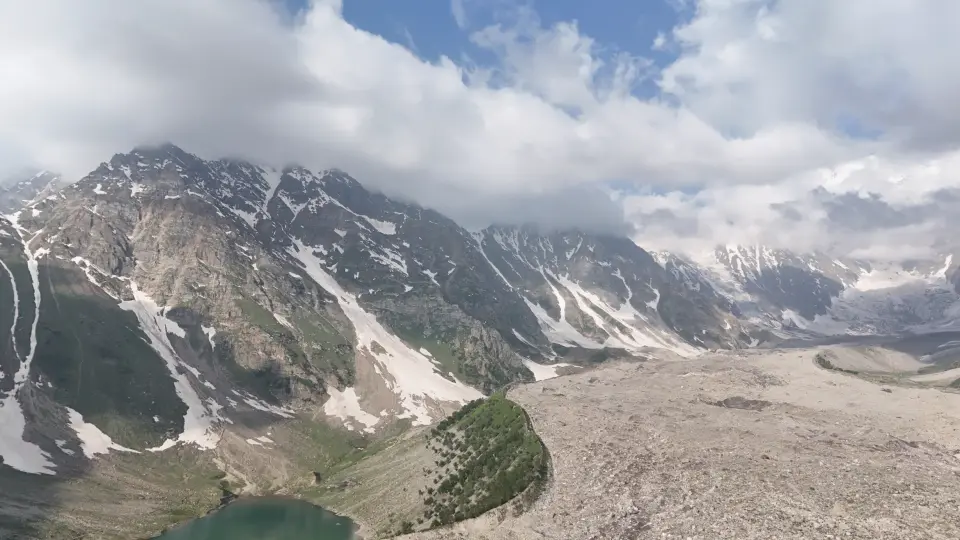
Identify whether the outing stays on a defined viewing path or moves onto glacial terrain. Ice can be hidden beneath debris, routes can change and meltwater can alter access. Do not improvise a crossing because a track appears on a phone. Ask the provider what equipment, training and specialist leadership the route needs. A driver or general sightseeing guide is not automatically qualified to manage technical terrain. If those responsibilities are unclear, choose a non-glacial outing.
Request the guide’s current assessment, turnaround criteria and communication plan. Avoid photographs that encourage stepping beyond an established viewing area. A scenic location is not a test of how close you can get to a hazardous edge. Keep children and inexperienced participants within the agreed route. The proper objective may change on the day, and a competent guide’s decision to stop should be treated as part of the service rather than a failure to deliver the advertised picture.
Field guide / 06
Choose a guide and support team for the terrain
Ask about relevant experience, training, recent work on the route and the role each team member plays. A warm recommendation from another traveler is useful, but it does not establish competence for a different objective. Clarify guiding ratios, porters, meals, equipment, transport and emergency arrangements. Check who can make safety decisions and who contacts help. Request written terms for changed plans, canceled permits and early return. The cheapest quotation may simply exclude essential support.
Inspect shared equipment before leaving services. A tent should be complete, a stove compatible with available fuel and a sleep system suitable for the intended conditions. Personal footwear needs testing before the trek. Do not make the guide responsible for guessing your medical, dietary or mobility needs; communicate them appropriately in advance. A clear agreement helps both sides distinguish a genuine limitation from a misunderstanding about what was included.
Field guide / 07
Insurance, evacuation and communications beyond reception
Ask your insurer about the named route, maximum altitude, trekking or climbing category, guided requirements and evacuation cover. General travel insurance may not answer a technical expedition’s needs. Ask how assistance is requested and what information is required. Do not assume a helicopter can launch, land or be funded simply because the policy mentions rescue. Weather, location, approvals and operational availability can all affect a response. Obtain a provider-specific emergency plan.
Store documents, emergency contacts and the itinerary offline. Agree on check-in windows and a missed-contact protocol with someone outside the expedition. If communication equipment is proposed, verify its legality, operating arrangements and user competence. A device is not a plan by itself. Consider what happens when batteries fail, the route changes or a participant must return with an escort. These questions belong in the booking discussion, not after the group loses phone reception.
Field guide / 08
Turn your objective into a useful planning enquiry
Send the named route, dates, nationality, experience and the support required. Specify whether you seek general planning, introductions to a qualified operator or help understanding the approval sequence. Include the time available for applications and the flexibility to choose another objective. Do not describe an expedition simply as “a northern tour.” The more accurately you explain the activity, the easier it is to find the right official and professional channels.
You can contact Farhan at Offbeat Camper to discuss route questions and local coordination options. Offbeat Camper cannot issue visas, grant permits or provide medical authorization. Any technical guiding or expedition service needs an appropriately competent, confirmed provider and a written scope. If your objective is a simpler walk, compare the Fairy Meadows guide with other routes rather than assuming every famous mountain approach has the same demands.
Keep exploring: Trekking in Pakistan, the travel guides and the route-based gear checklist.