Deosai is more than an open road through beautiful grassland. It is a protected, high-altitude landscape where weather, distance, river crossings, wildlife and park rules shape every visit. A traveller can enjoy its space without treating it as empty land. This guide focuses on the decisions that make a crossing or camp more responsible, while directing live access and permit questions to current authorities.
The short answer
Deosai is a protected high-altitude national park. Confirm entry rules and route status with current authorities, prepare for exposed weather and limited services, camp only where permitted, keep distance from wildlife and leave no waste.
Field guide / 01
Begin with the fact that Deosai is a national park
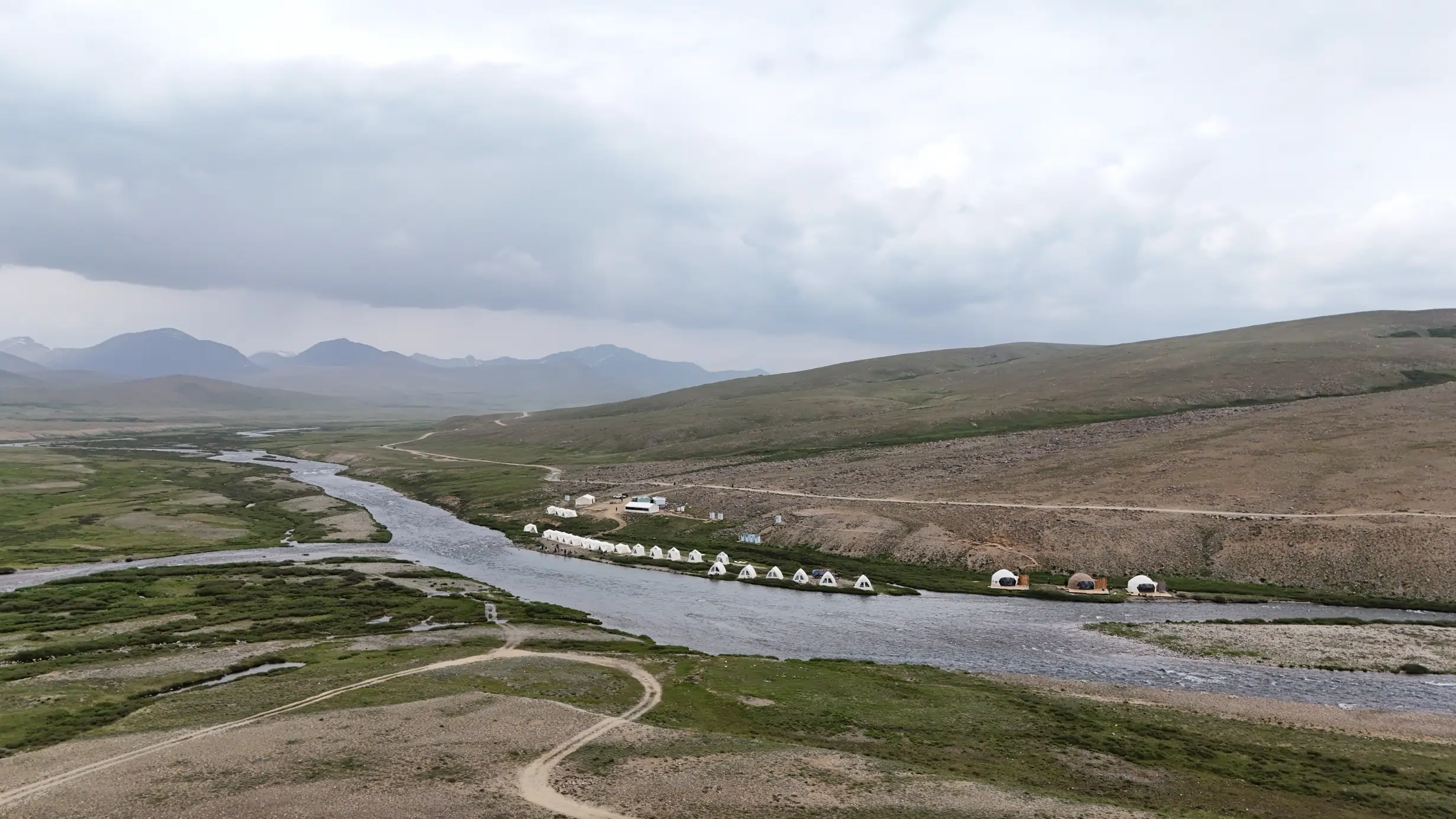
The Gilgit-Baltistan Tourism Department describes Deosai as a high-altitude national park between the Skardu and Astore sides of the region, established to protect an important ecosystem including the Himalayan brown bear. That status changes the visitor’s responsibilities. It is not merely a scenic shortcut or an unregulated campsite. Confirm current entry arrangements, fees, permitted routes and camping rules with the park authority or official checkpost before travelling. A blog cannot keep those operational details current.
The broad plateau can create a deceptive sense of openness. A road visible in the distance may still be separated by wet ground, streams or protected habitat. Stay on authorised tracks and avoid treating grassland as a place to test a vehicle. Repeated shortcuts can scar soil and vegetation, and the effect may persist long after a single trip. If you are unsure whether a track is official or passable, ask before proceeding. The destination atlas shows Deosai within a wider set of landscapes, but the national-park context should lead the plan.
Choose the purpose of your visit early: a day crossing, a short wildlife-focused visit or an overnight camp. Each demands different equipment and timing. A day drive still needs water, warmth and a safe return margin. An overnight adds shelter, food, waste management and greater exposure to weather. Do not assume that travelling with a larger vehicle removes the need to think about those things.
A national-park plan should begin with information from the people responsible for the park, then use films and travel writing for perspective. The difference matters. An official checkpost can speak to current entry and restrictions; a personal account can show how a visitor experienced wind, waiting or a camp. Confusing those roles leads to false certainty. Save the authority’s current contact information before departure, and ask what rules apply to your specific mode of travel.
Field guide / 02
Check access, permits and transport close to departure
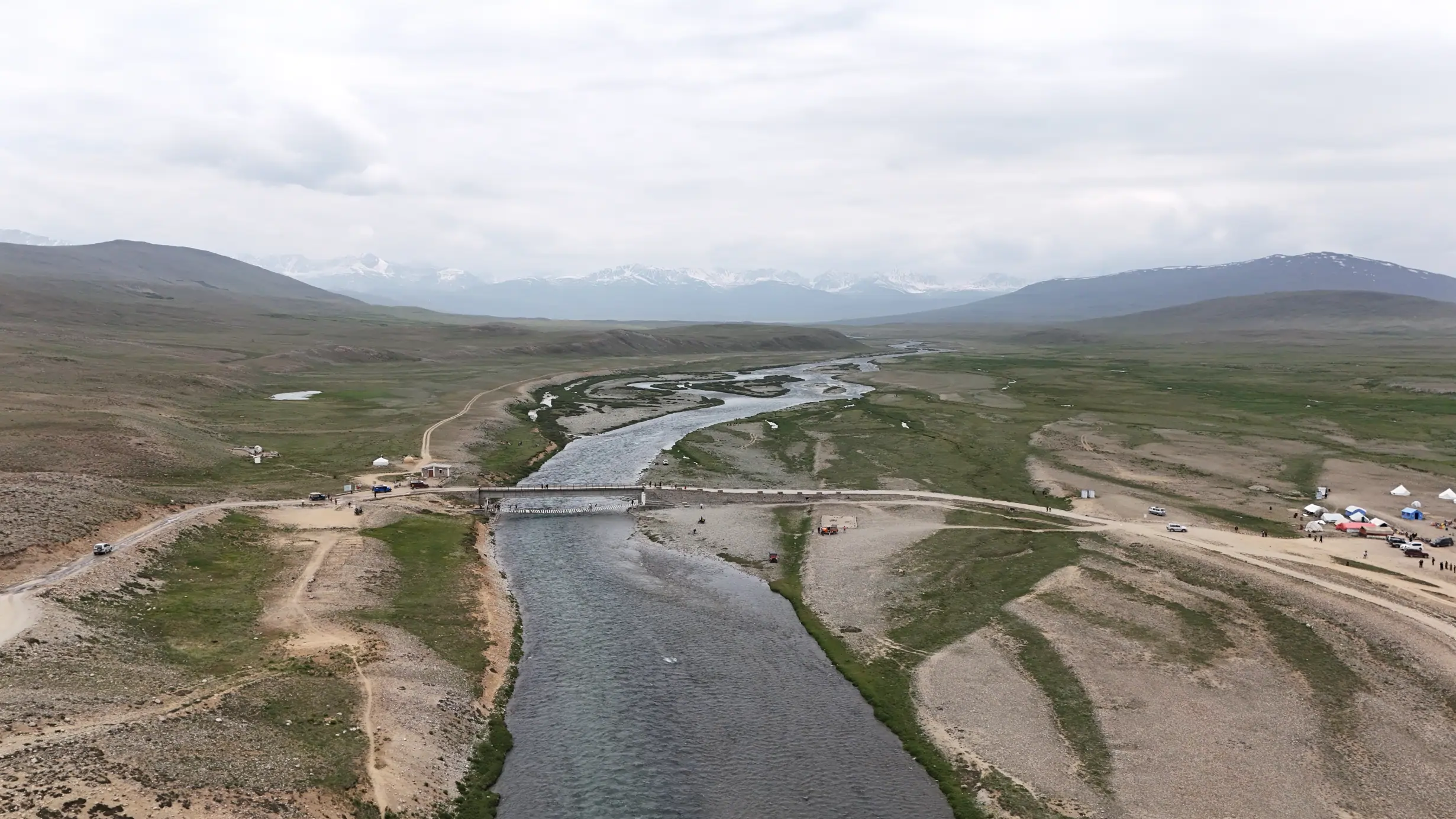
Official tourism information gives typical approaches from Skardu and Astore and notes that entry permission is handled at park checkposts. It also describes a broad visitor season rather than a guarantee of access on any chosen day. Confirm the latest status with the relevant authorities, particularly after unusual weather. Ask where you may enter, whether your intended route is open, what vehicle is appropriate and where overnight stays are permitted. A quoted price or schedule from a previous season is a weak basis for a current decision.
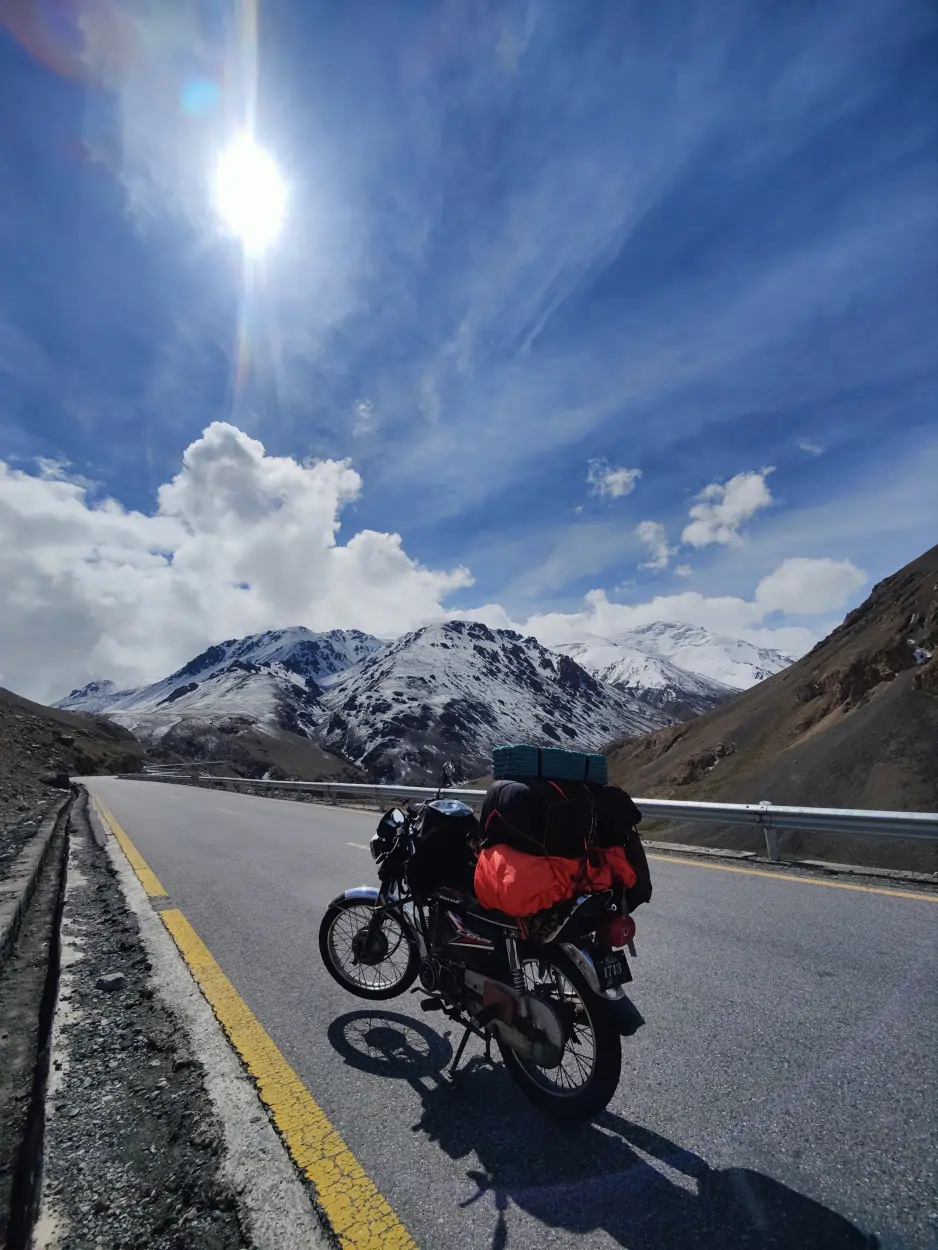
Deosai’s road can be demanding, and an official tourism page recommends a suitable four-wheel-drive vehicle. That should prompt a motorcycle rider to assess the route and machine carefully, not to assume that any photograph of a bike in the park establishes safety for a loaded solo ride. Surface, water, load, weather and skill all matter. If you are hiring transport, agree on the route, stops, return time, luggage and contingencies. If you are riding, set a turn-around point before the terrain or daylight makes the choice for you.
Keep a backup destination outside the park. If access is restricted, a warning is issued or someone in the group is unwell, there should be a worthwhile alternative rather than pressure to “make the booking count.” The NDMA advisory page and PMD forecasts are useful live checkpoints. Local rangers and operators add crucial detail about the exact approach on the day.
If an approach is closed, do not search for an informal way around the checkpost. A restriction may protect a damaged road, a sensitive habitat or travellers themselves. The same principle applies to a permit requirement: completing the formal process is part of the trip, not an obstacle to an authentic adventure. An alternative day around Skardu or Astore can still be meaningful while you wait for reliable information.
Field guide / 03
Respect altitude and exposed weather
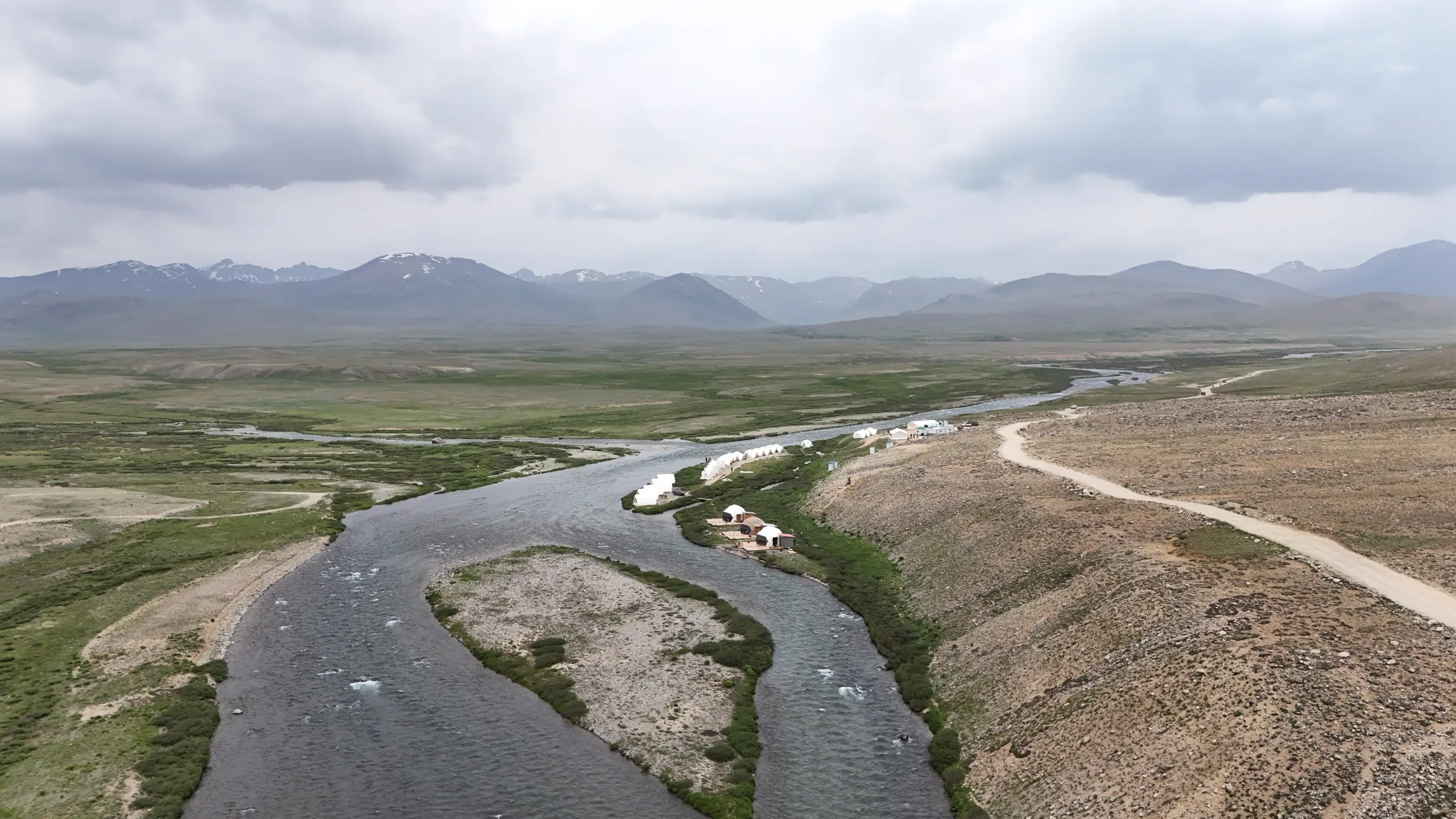
The official destination page places Deosai at a high average elevation. A traveller coming rapidly from lower ground should not treat that as a trivial number. The CDC’s high-altitude travel guidance explains why gradual ascent and attention to symptoms matter. This is not individual medical advice; seek clinical guidance if you have health concerns, and do not hide symptoms in a group. An impressive view is not a reason to ignore headache, dizziness, unusual fatigue or worsening condition.
Exposure is the other defining feature. Without forest shelter, wind and rapidly changing sky are part of the day. Carry waterproof and insulating layers where you can reach them quickly. A clear start does not eliminate the need for a wet-weather plan. Watch conditions across the entire crossing; the return road may be affected even while your current campsite looks calm. In an exposed landscape, stopping early can be a skilled choice.
Plan fuel, food and water with a delay in mind. Facilities may be limited or seasonal, so verify them locally and do not rely on one uncertain point. Keep the group together enough to communicate changes. If photography or wildlife watching absorbs more time than expected, shorten the route rather than compressing the remaining daylight. The travel guides frame these choices as a route system, not a race.
At altitude, make the group’s most conservative member the reference for pace. A person who feels fine in a vehicle can still struggle when walking, lifting camp equipment or sleeping high. Build a plan with the option to leave early, and keep the person’s wellbeing private rather than turning it into travel content. A clinician, not an online itinerary, should address an individual medical question.
Field guide / 04
Choose a campsite that can carry your presence
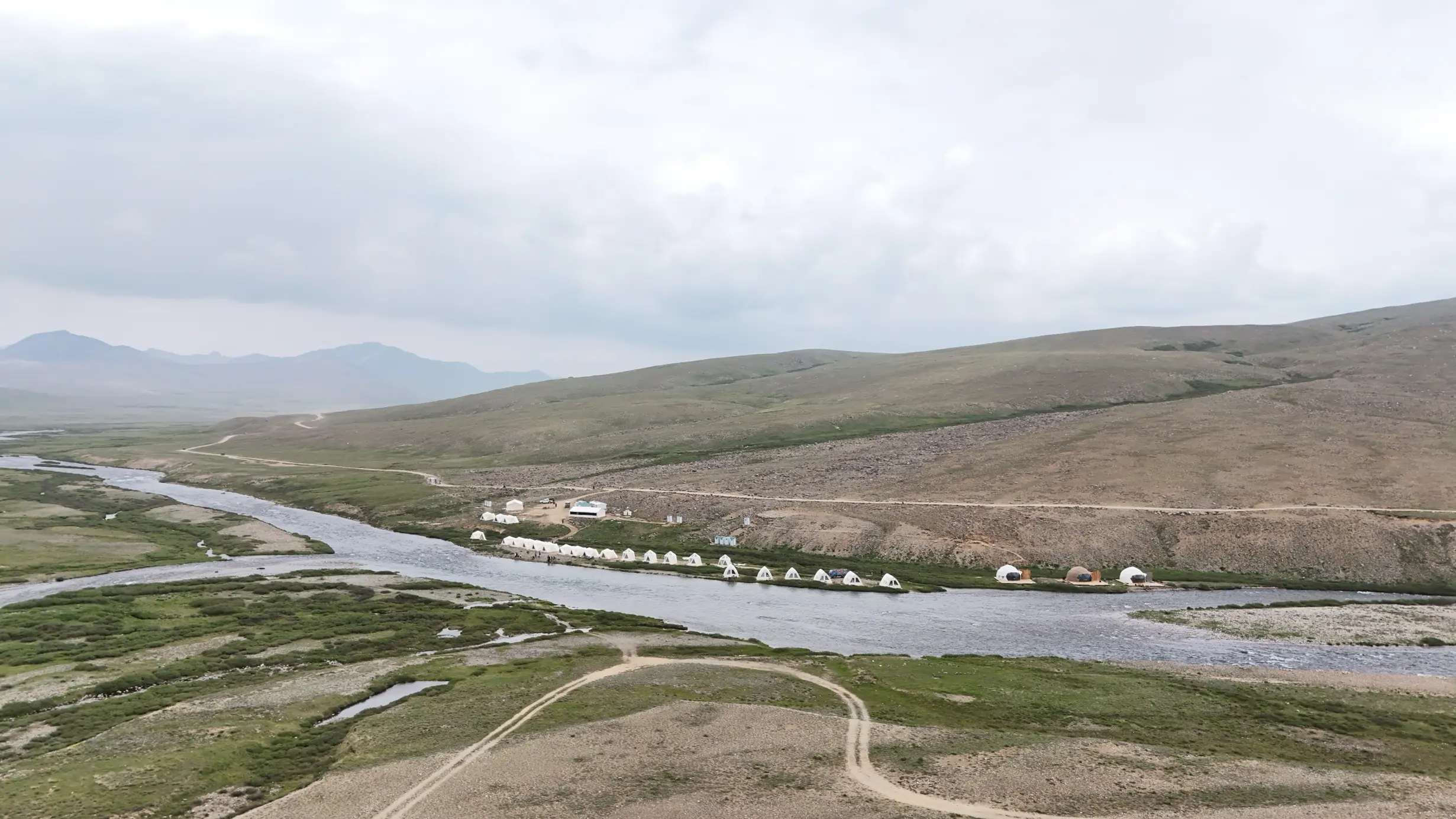
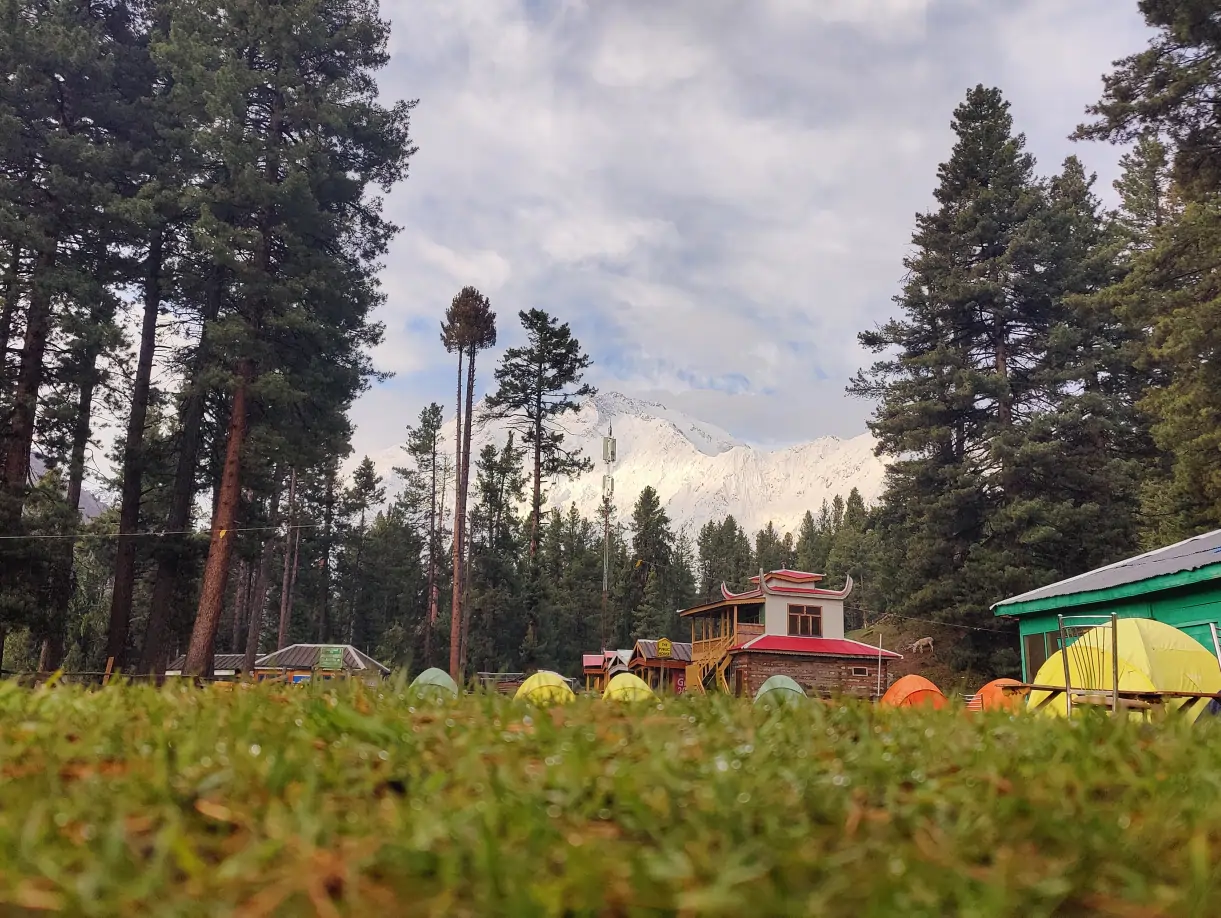
A national park is not a blank canvas for a tent. Use designated or locally approved sites and follow ranger instructions. Seek ground that is durable and already used rather than creating a new scar in vegetation. Look for drainage, wind exposure and safe distance from water or animal movement. An apparently sheltered dip may collect rain. A ridge may offer a dramatic panorama while making the tent vulnerable to wind. Choose for the night you might get, not the photograph you want at sunset.
Practice the shelter setup before leaving home. Know how long it takes in poor light and how to secure it without digging, trenching or moving natural objects. Protect one dry set of clothing for camp and ensure the sleep system is suitable for plausible conditions. The route-based Gear List can help you organise shelter, warmth, water and repair items. It deliberately avoids claims about exact gear models Farhan uses until those are verified.
Ask about cooking and fire rules before arrival. A stove may be less disruptive than a campfire, but fuel and flame still require care. Do not collect wood or leave ash in a sensitive area without explicit permission. The Leave No Trace overland guidance explains why campsite choices and vehicle traffic can have cumulative effects. Local park rules always control the specific site.
Wind deserves a place on the campsite checklist alongside rain. Consider tent orientation, secure anchoring and whether the site has a safe exit if conditions worsen. Keep a shelter’s repair pieces and warm clothing accessible before sunset. If the forecast or local advice makes a night outside inappropriate, use an alternative. The choice to sleep lower can preserve the rest of the journey.
Field guide / 05
Watch wildlife from a distance
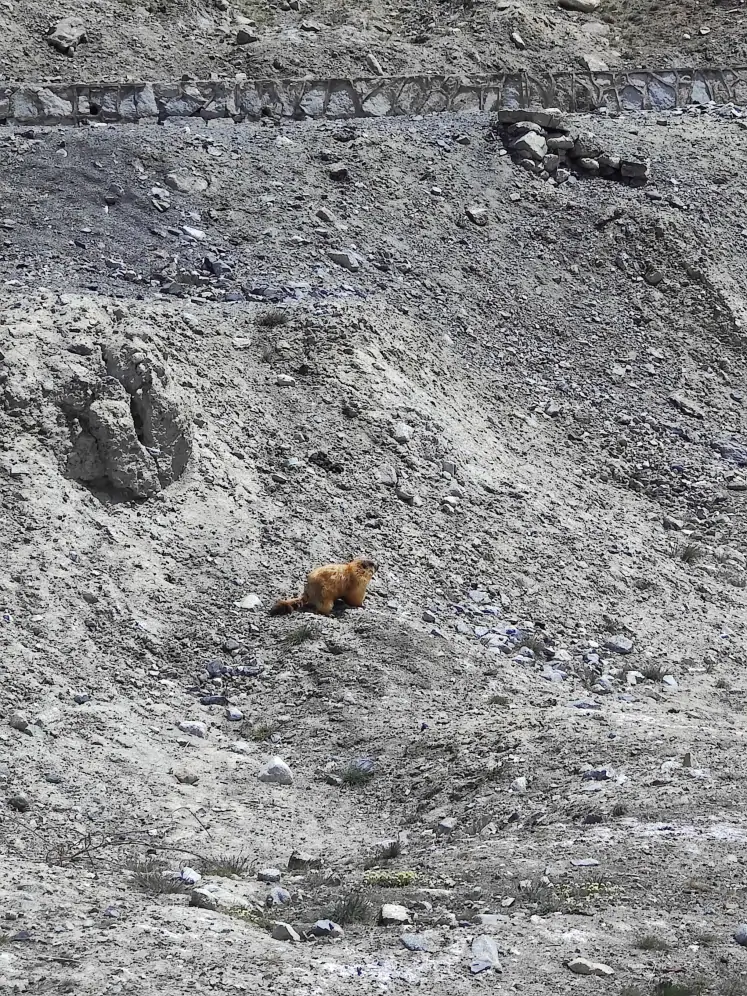
Deosai’s wildlife is one reason the park exists. It is never appropriate to approach, feed, surround or provoke an animal for footage. Food scraps can change behaviour and create risk for both wildlife and visitors. Keep food secure, follow ranger advice and leave a clear path for animals to move. A long lens and patience are better tools than closing distance. If an animal changes direction, stops feeding or becomes alert because of you, you may already be too close.
Wildflowers and wetlands are also part of the protected system. Remaining on authorised routes helps prevent small shortcuts from becoming permanent tracks. Avoid parking on vegetation for a better foreground or crossing a stream where vehicles are not meant to cross. Drone use can disturb wildlife and visitors and may be restricted; seek explicit current permission rather than assuming a remote location is open to flight. The same principle applies to camping and filming permits.
A responsible wildlife story includes the restraint behind the image. Explain that you waited, kept distance or chose not to film an encounter. Do not publish an exact location that could direct crowds toward a vulnerable animal. Offbeat Camper’s films can celebrate the landscape without presenting wildlife as an attraction that must perform for visitors.
Wildlife viewing works better with patience than pursuit. Stop in a safe, authorised place, observe quietly and keep food packed away. A ranger may be able to explain where visitors are permitted to watch without disturbing an animal. Avoid publishing a precise location for a sensitive encounter. The image is only one part of the story; the decision to maintain distance is another.
Field guide / 06
Manage water, waste and sanitation as part of the plan
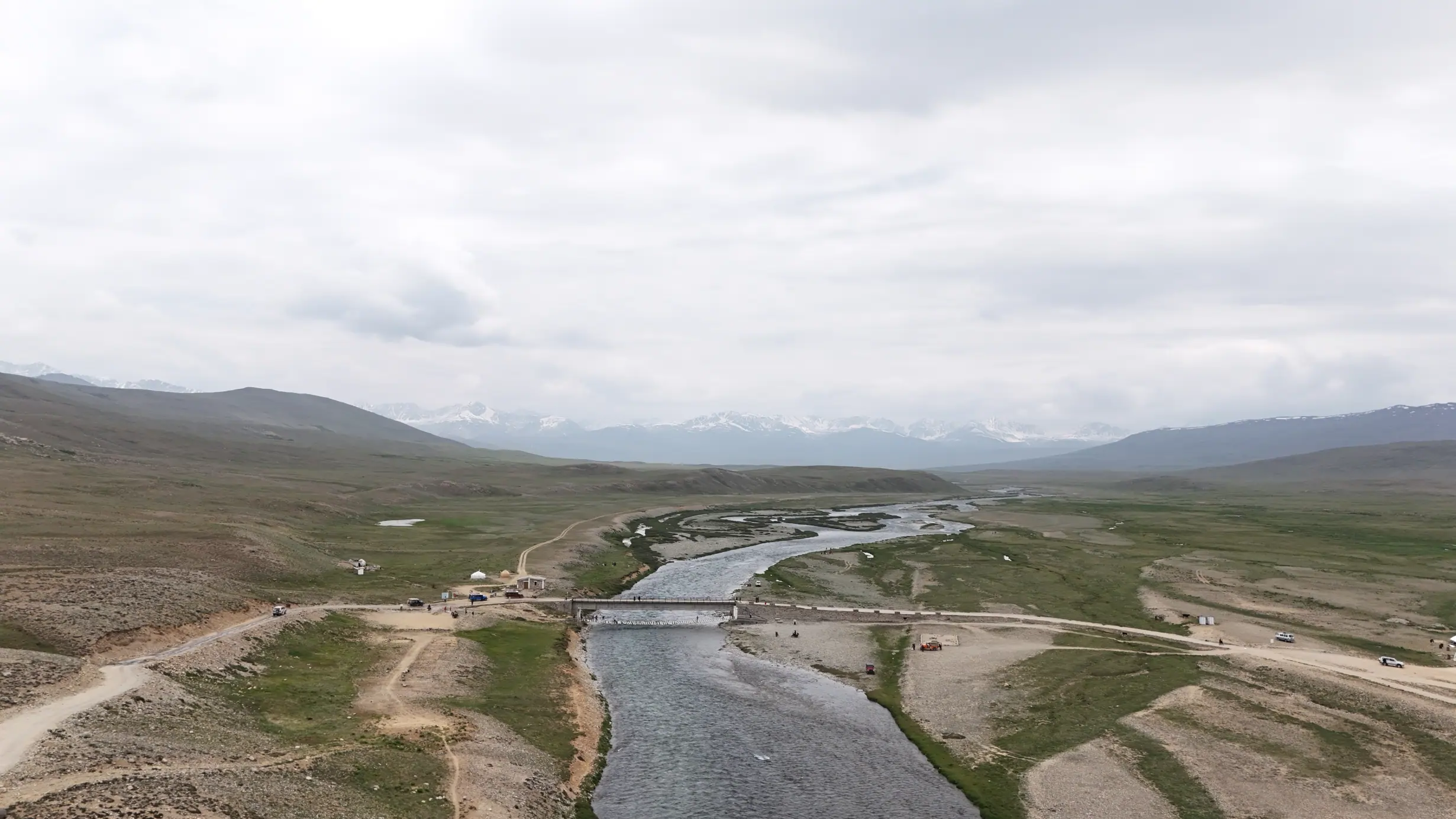
Carry enough drinking water for a delayed crossing and use a suitable treatment method if collecting from a source. Clear water is not proof of safety. Keep soap, food scraps and wastewater away from streams and lakes. Ask park staff about toilets or designated disposal systems at the places you intend to stop; facilities may differ by site and season. If there is no approved system, bring a plan that follows local rules and protects water and other visitors.
Pack all packaging, batteries and damaged gear out. Small items disappear visually in grass but remain materially present. A camp cleanup should include the spots where you cooked, charged equipment and parked the vehicle, not just the tent footprint. Inspect the site in daylight before leaving. The Leave No Trace waste guidance offers general principles; park instructions should resolve the site-specific method.
Avoid assuming that “natural” products may be discarded. Food peels, biodegradable wipes and soap can still attract animals, contaminate water or be unpleasant for the next visitor. The simplest packing system has a durable bag for waste and a clear place for it in the vehicle. If you cannot carry something out, reconsider whether it needs to be brought in.
A waste audit begins before you buy supplies. Choose food with less packaging, refill durable containers where safe and carry a bag that can handle the wet, messy items likely to return with you. If you are travelling by motorcycle, make sure the waste bag is secured as carefully as any other luggage. Losing it on the road would undo the effort of packing out.
Field guide / 07
Film the scale without manufacturing risk
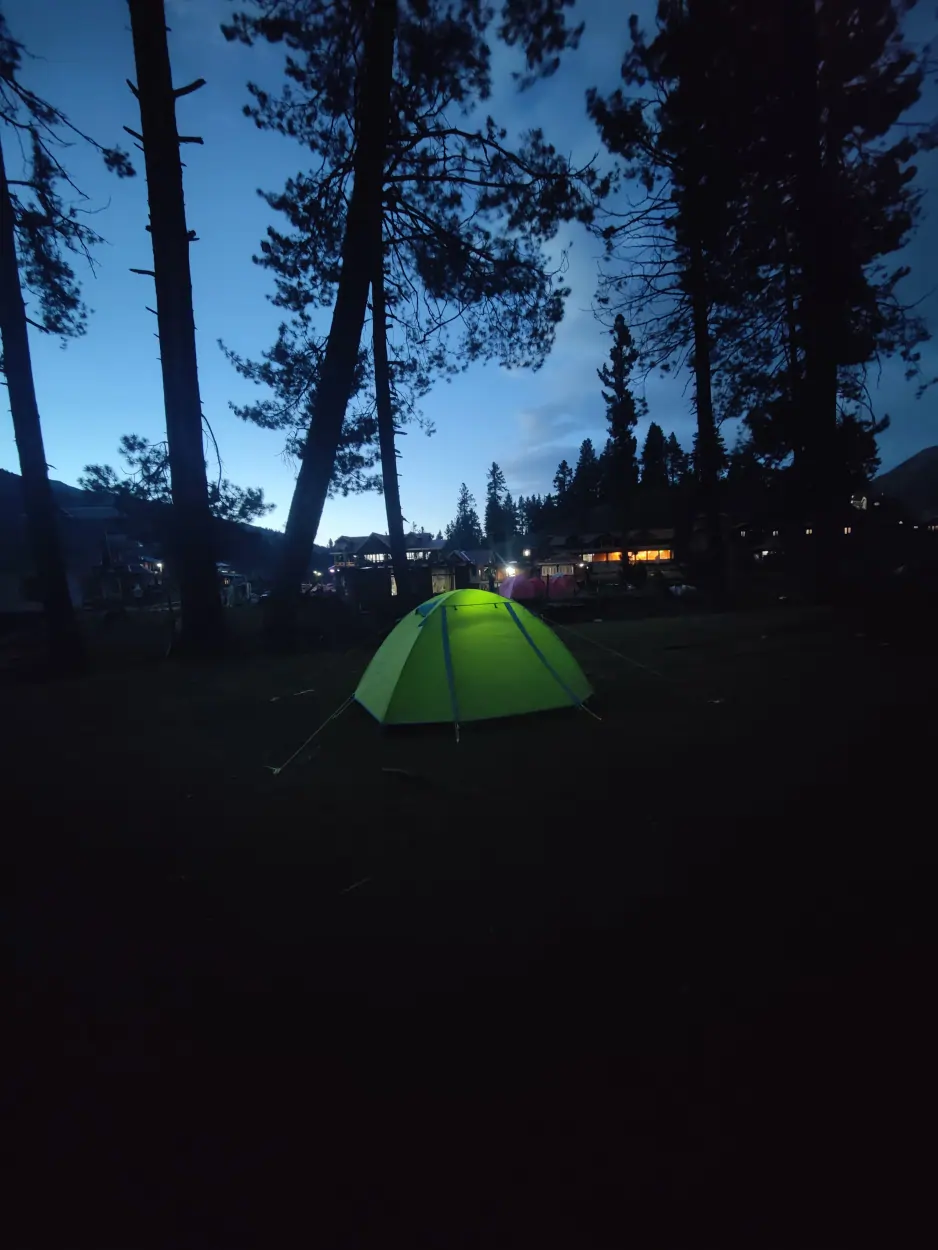
Deosai’s horizon invites wide frames. The challenge is to make those frames without turning a road edge, riverbank or wildlife area into a set. Stop only where a vehicle can be safely off the route and visible to others. Do not ask a rider to repeat a crossing or pass for the camera when conditions have changed. A shot is replaceable; a safe judgement is not. Record the practical details that viewers may need—wind, surface, the time you chose to stop—alongside the panoramic image.
Be careful with language. “Empty” is not the same as uninhabited or unmanaged. The park has rangers, visitors, wildlife and communities connected to its approaches. Credit local knowledge and be clear when a route detail is based on your own visit rather than an official update. Put a date on conditions described in a video. A past safe crossing cannot certify today’s water or road.
If a weather window closes, tell that story honestly. An early camp, a wait beside a vehicle or a decision to return can be the heart of a useful travel film. This makes the content more trustworthy than a sequence edited to suggest that every high-altitude day is effortless. The journal is a place for that fuller record.
For film, consider recording a short note at the end of the day while your decisions are fresh. What information did you verify, what changed, why did you choose the campsite or turn around? Those details can later become accurate captions and narration. They also prevent memory from smoothing uncertainty into a falsely confident travel tip.
Field guide / 08
Leave the park with a decision trail worth sharing
Before travelling, record what you verified: the date, official sources checked, entry instructions, local operator advice and the alternative plan. On the trip, update that record when facts change. It helps your group make decisions and gives you a more accurate basis for writing afterward. After leaving, avoid publishing live-sounding claims without a date. Recommend the official tourism and weather resources alongside your personal account so readers can recheck details.
The best Deosai visit is not necessarily the one that covers the most ground. It is the one that stays within the group’s ability, respects the park, notices more than the road and ends without leaving harm behind. A short, careful visit can reveal more than a hurried crossing. If you camp, leave the site in a condition that does not announce your presence.
For more route context, move from this guide to camping in Pakistan, the motorcycle journeys or the destination atlas. Deosai sits within a much wider field of travel stories, but its national-park responsibilities are distinct. Carry that distinction into every planning decision.
The most useful published guide has a visible boundary around its knowledge. State the date of your visit and point readers toward current park, tourism and weather sources. If a rule or fee changes, update or remove the old claim. A national park benefits when visitors arrive informed, not when they arrive convinced that a two-year-old video outranks a ranger’s instruction.
Keep exploring: camping journeys, the travel guides and the route-based gear checklist.