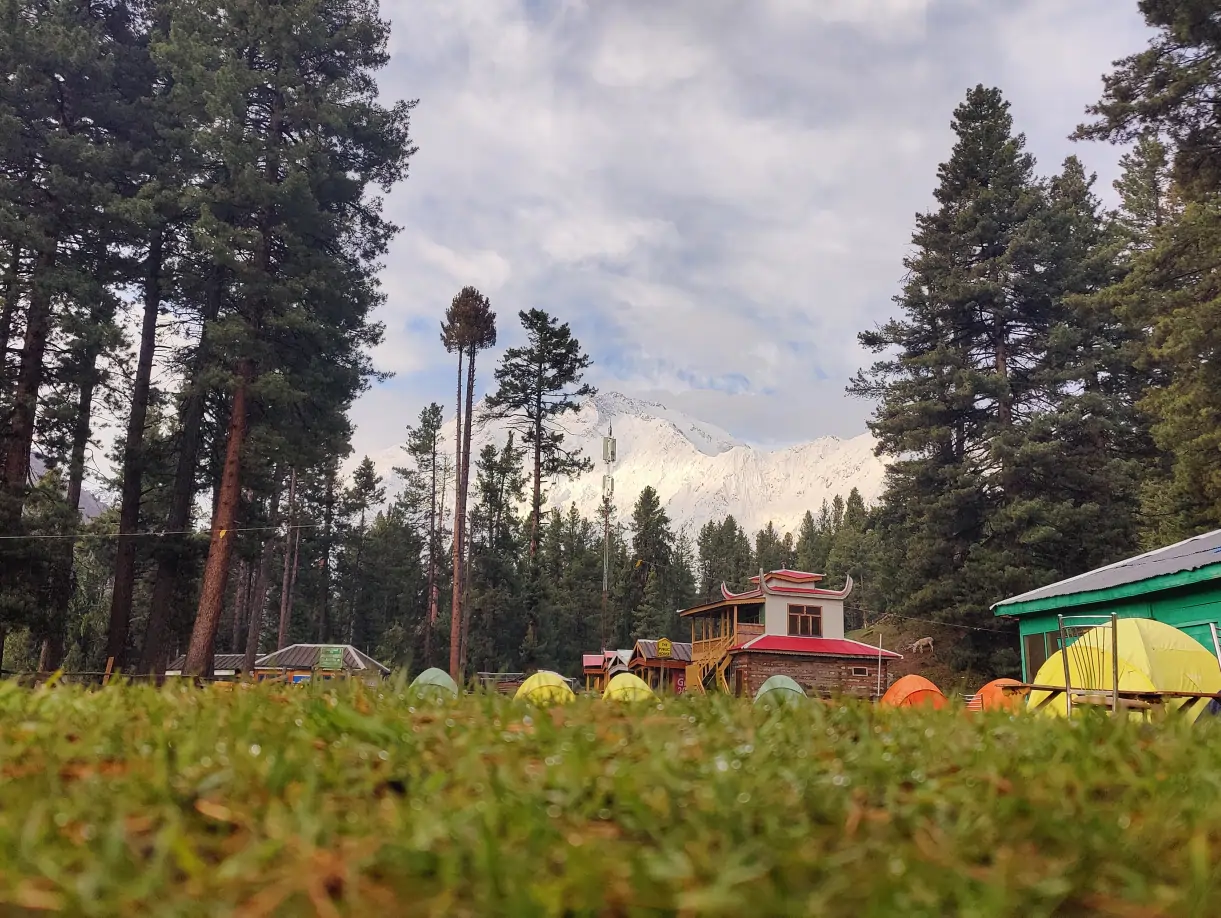
Fairy Meadows is often presented as a single postcard: grass in the foreground and Nanga Parbat above it. In practice, the experience is a sequence of decisions about access, walking pace, accommodation, weather, daylight and respect for a community landscape. This guide helps you prepare for that fuller experience without pretending to provide live access or price information.
The short answer
Fairy Meadows is best approached as a multi-stage journey: verify the Raikot–Tattu transfer locally, leave daylight for the walk, choose a lodge or approved camp, and make any Beyal or basecamp walk a separate decision based on current conditions.
Field guide / 01
Understand the route before the view
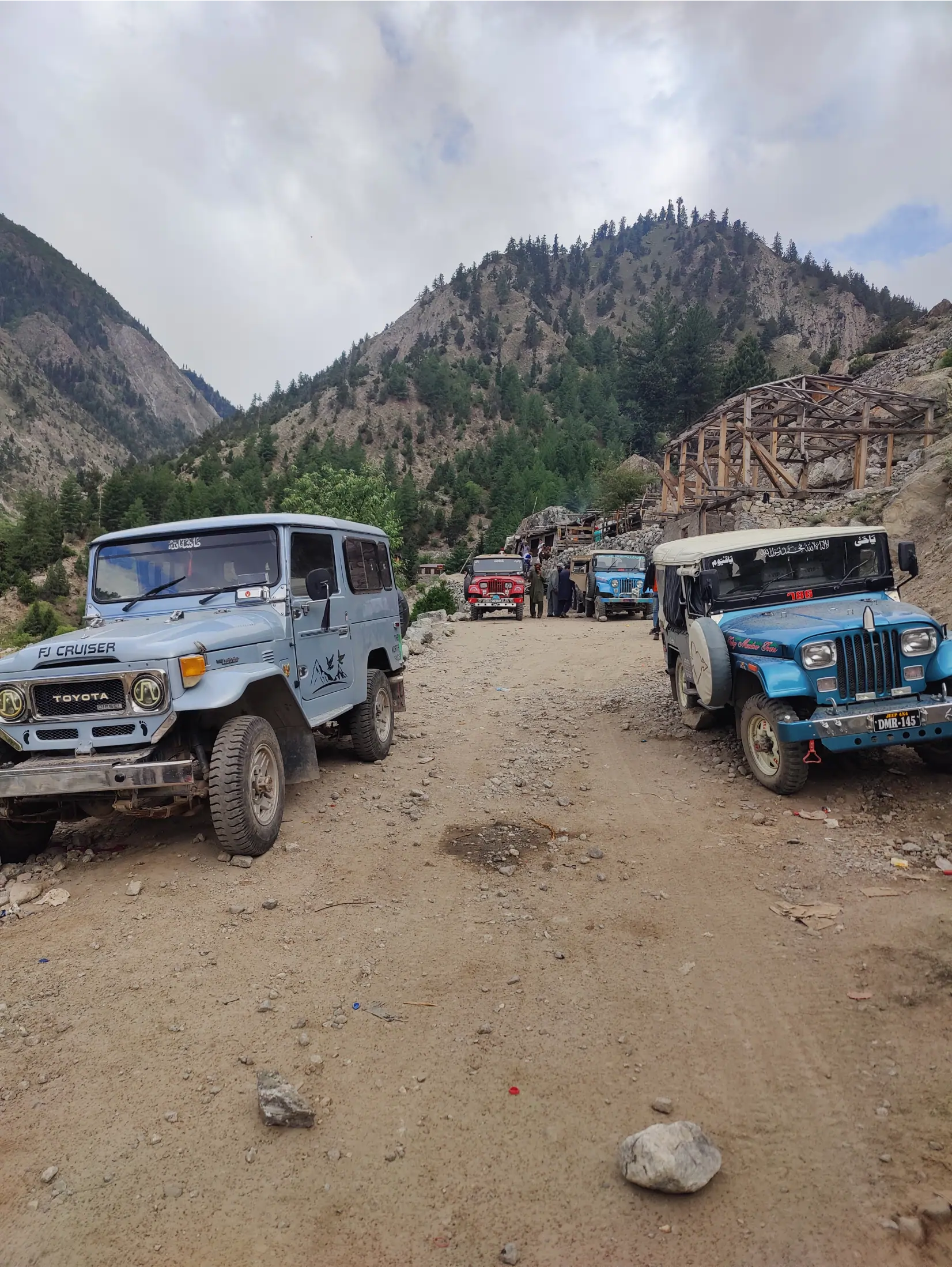
The official Gilgit-Baltistan Tourism Department destination page describes Fairy Meadows in Diamer District and outlines the familiar approach through Raikot Bridge and Tattu Village. The journey changes mode along the way: a main-road arrival, a locally operated mountain-track segment and then a walk toward the meadows. Those transitions are central to the experience. A map that shows one continuous line can conceal how different each segment feels and how much time each may take. Confirm the current arrangement with locally authorised operators before travelling, particularly if weather has recently affected the area.
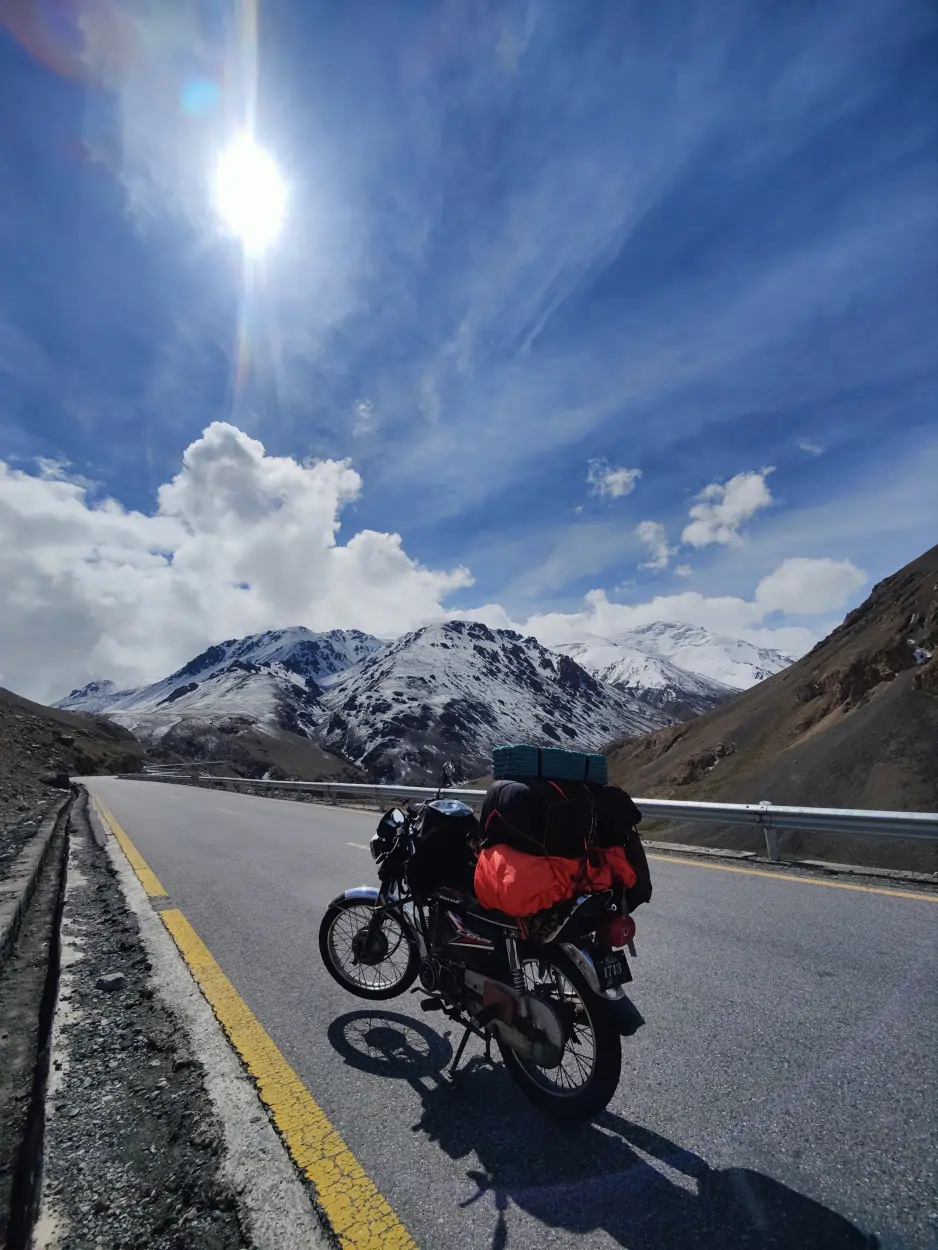
Plan the approach as a day with its own purpose rather than an inconvenient transfer to a photograph. Arriving late, bargaining while exhausted and beginning a trail in fading light is avoidable if you leave enough margin. An overnight near the approach may make more sense than compressing a long drive, a vehicle transfer and a trek into a single deadline. If you are arriving by motorcycle, identify a secure and appropriate place to leave it and ask locally about arrangements; do not assume that the trekking path is a place to ride.
Keep a second plan for the day. If the track is affected, the weather looks poor or someone in your group is not well, waiting or changing the itinerary is a sensible outcome. The mountain will still be there. The official tourism page is a useful starting reference, while the Pakistan Meteorological Department and NDMA advisories should inform current weather and hazard decisions. Local operators can clarify the final approach on the actual day.
Before leaving the main road, ask three practical questions of your local operator: where exactly does the vehicle stage end, what does the walking approach look like today, and what is the return arrangement if weather changes? Write the answers down rather than assuming that “everyone knows” the route. A traveller arriving for the first time may otherwise discover late in the day that the transport and trail segments were planned by different people.
Field guide / 02
Choose dates with humility about mountain weather
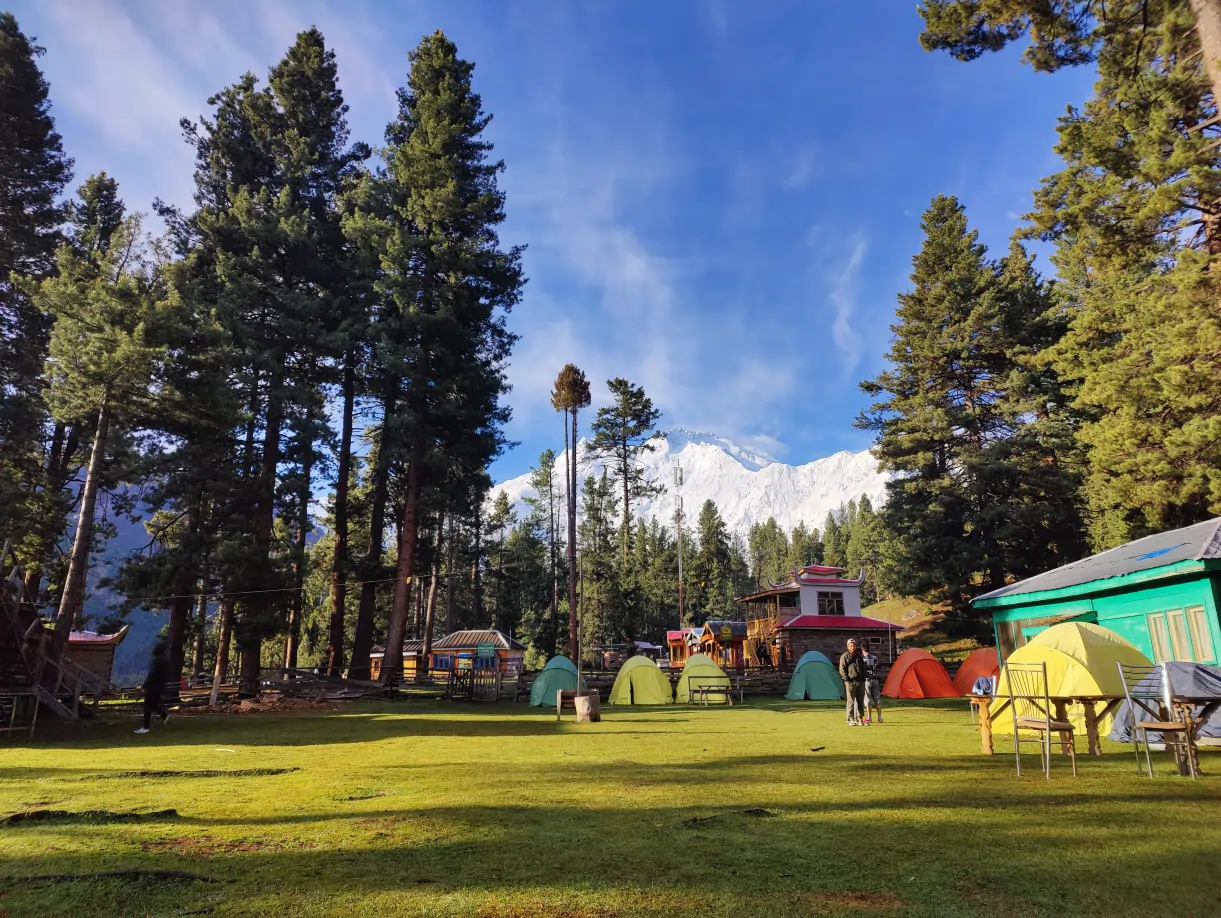
A published “best season” can help you narrow a search, but it cannot promise a clear morning, an open track or a comfortable night. The Gilgit-Baltistan Tourism Department describes a typical visitor window; treat it as broad context rather than a guarantee. Rain, cloud, wind and temperature can change the character of the walk and the view quickly. Check forecasts close to departure and again before beginning the final approach. If there have been official alerts, read them rather than relying on a photograph posted by someone else.
Build at least one flexible day into a trip whose main purpose is the Nanga Parbat view. A one-night schedule creates pressure to walk or drive when conditions are poor simply because the booking is fixed. Staying longer does not guarantee clear sky, but it allows an unhurried morning and a safer response to delay. Pack for cold evenings even when the lowland departure was warm. Conditions at a meadow and at a higher viewpoint may differ, so a short walk away from accommodation still deserves a layer, water and an eye on the sky.
Do not build a plan around an exact sunrise or sunset image. Photography often rewards patience, yet the safest place to wait may be a known path or lodge rather than an exposed edge. If cloud hides the mountain, look at the forest, village approaches and changing light instead of treating the trip as a failed transaction. Offbeat Camper’s destination atlas connects Fairy Meadows to other landscapes, but each deserves time on its own terms.
Weather research becomes more useful when attached to decisions. If rain is possible, identify a place to wait before the track, not only a waterproof jacket to wear on it. If several days are unsettled, ask whether the trip still suits your group’s purpose. A visitor seeking a quiet lodge stay may be comfortable waiting through cloud, while a group with a fixed trekking objective may need to revise the itinerary.
Field guide / 03
Walk the approach at a pace the group can sustain
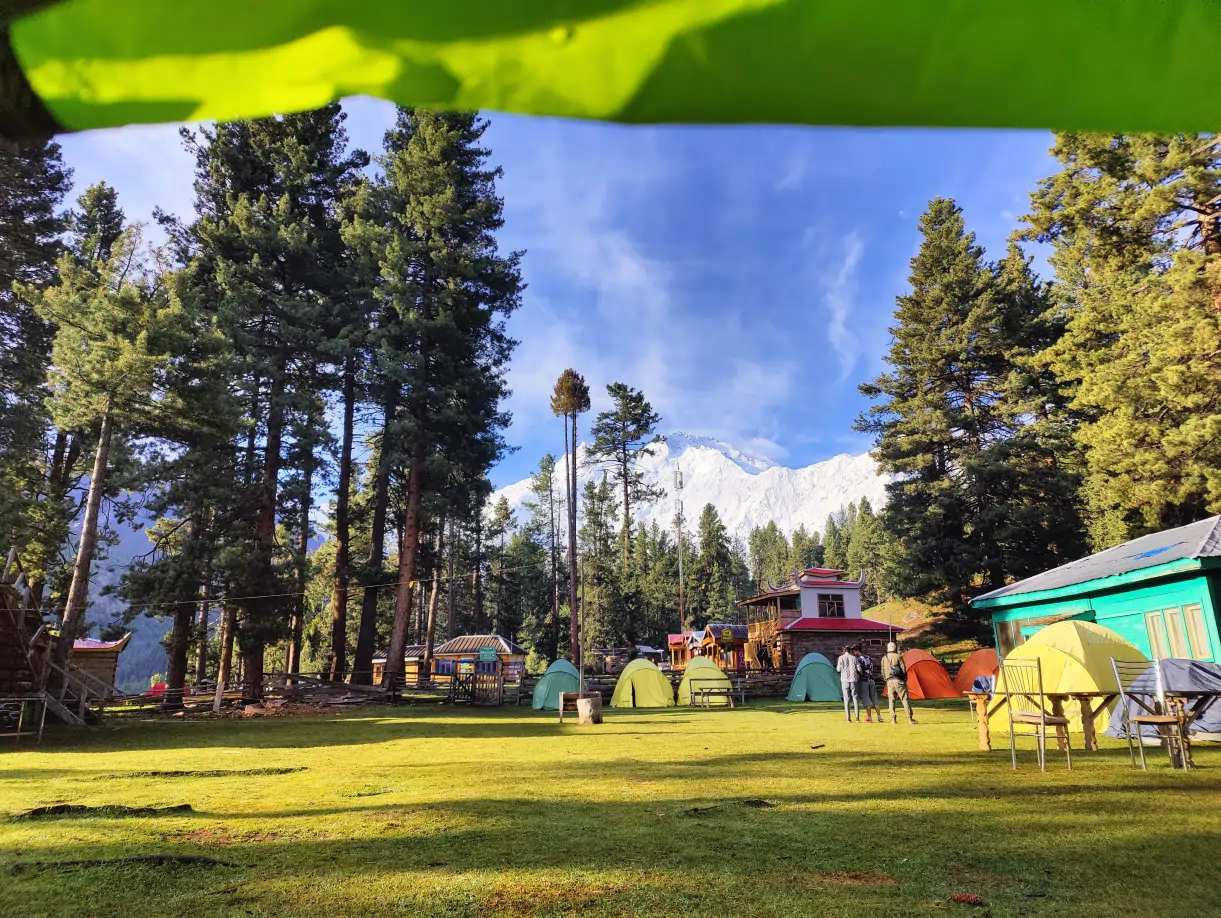
The walking section is sometimes described in a single number of hours. That number cannot account for your fitness, load, acclimatisation, trail condition or the number of breaks needed. Ask a local operator about current distance and surface, then plan around the slowest comfortable member of the group. Start early enough to avoid being committed to unfamiliar terrain in darkness. If you have travelled a long distance to reach the trailhead, do not confuse excitement with available energy.
Carry your own water and the layers you may need before the next reliable stop. Shoes that have already proved comfortable on uneven ground are worth more than new equipment purchased for the photograph. Keep hands available for balance rather than filming every step. If you are bringing a large camera kit, weigh what it contributes against the strain of carrying it uphill. A small, accessible setup often produces better work because the person behind it is still enjoying the walk.
Let others pass safely on narrow sections and ask before photographing residents, workers or other visitors. The route is not an empty set. If someone is struggling, discuss shorter goals or a return rather than quietly increasing pressure to reach the meadow. A trail decision made together preserves trust. The trekking hub has broader preparation principles, including the value of local guidance when terrain or conditions exceed your experience.
Walking pace should include pauses for adjustment. A loose boot, an overheated walker or a bag that rubs can be dealt with early; ignored for an hour, the same problem may dominate the day. Keep the group close enough to notice such changes. A photograph at the end is less valuable than arriving with everyone able to enjoy the place.
Field guide / 04
Decide whether to stay in a lodge or camp
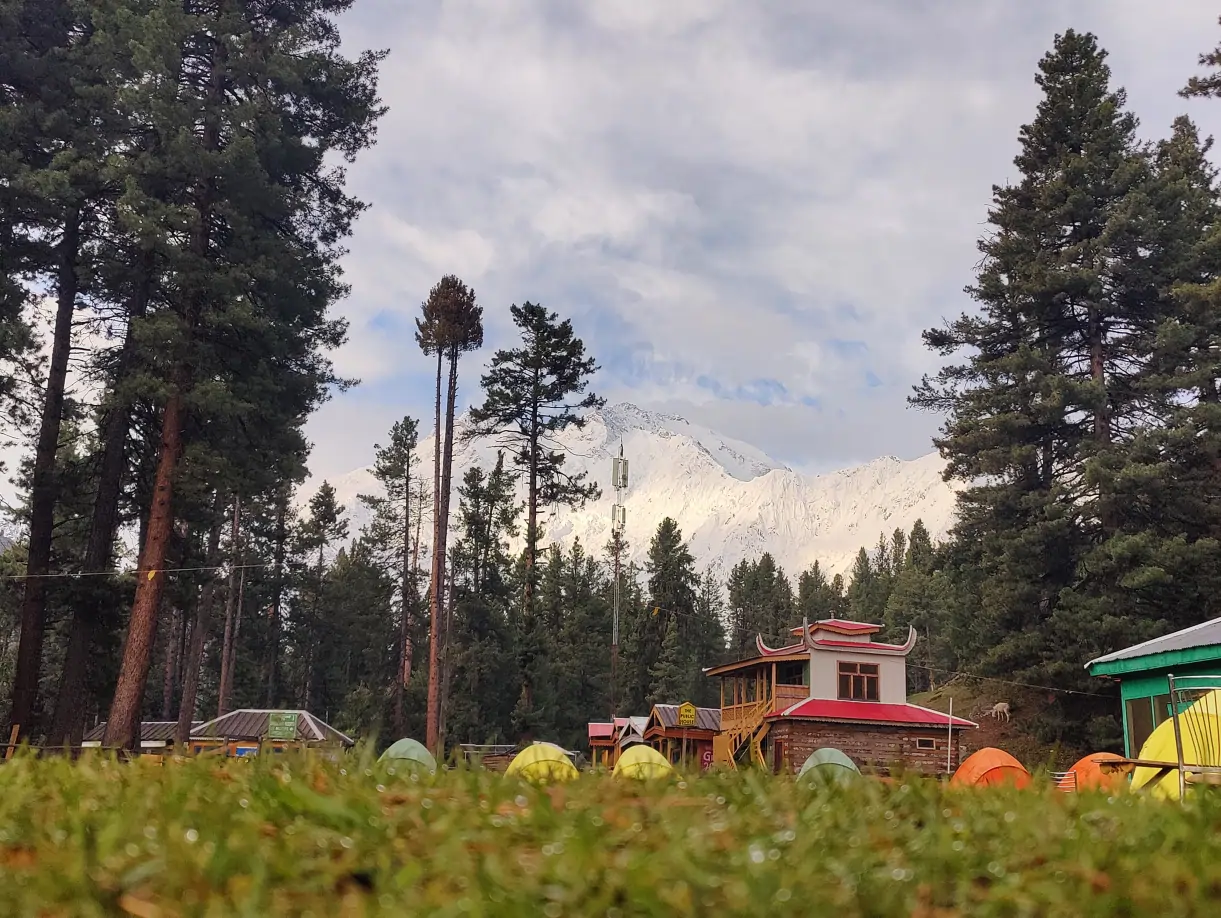
Fairy Meadows has community-run accommodation and camping options listed by the official tourism department. The right choice depends on your skills, weather outlook, equipment and the kind of experience you want. A lodge can reduce the burden of carrying shelter and cooking equipment, while camping gives more independence but adds responsibility for site selection, waste, water and cold. Neither option is inherently more authentic. Choose the one that allows you to travel well and respect local arrangements. Confirm what is actually available and what is included before departure, because amenities, electricity, connectivity and prices can change.
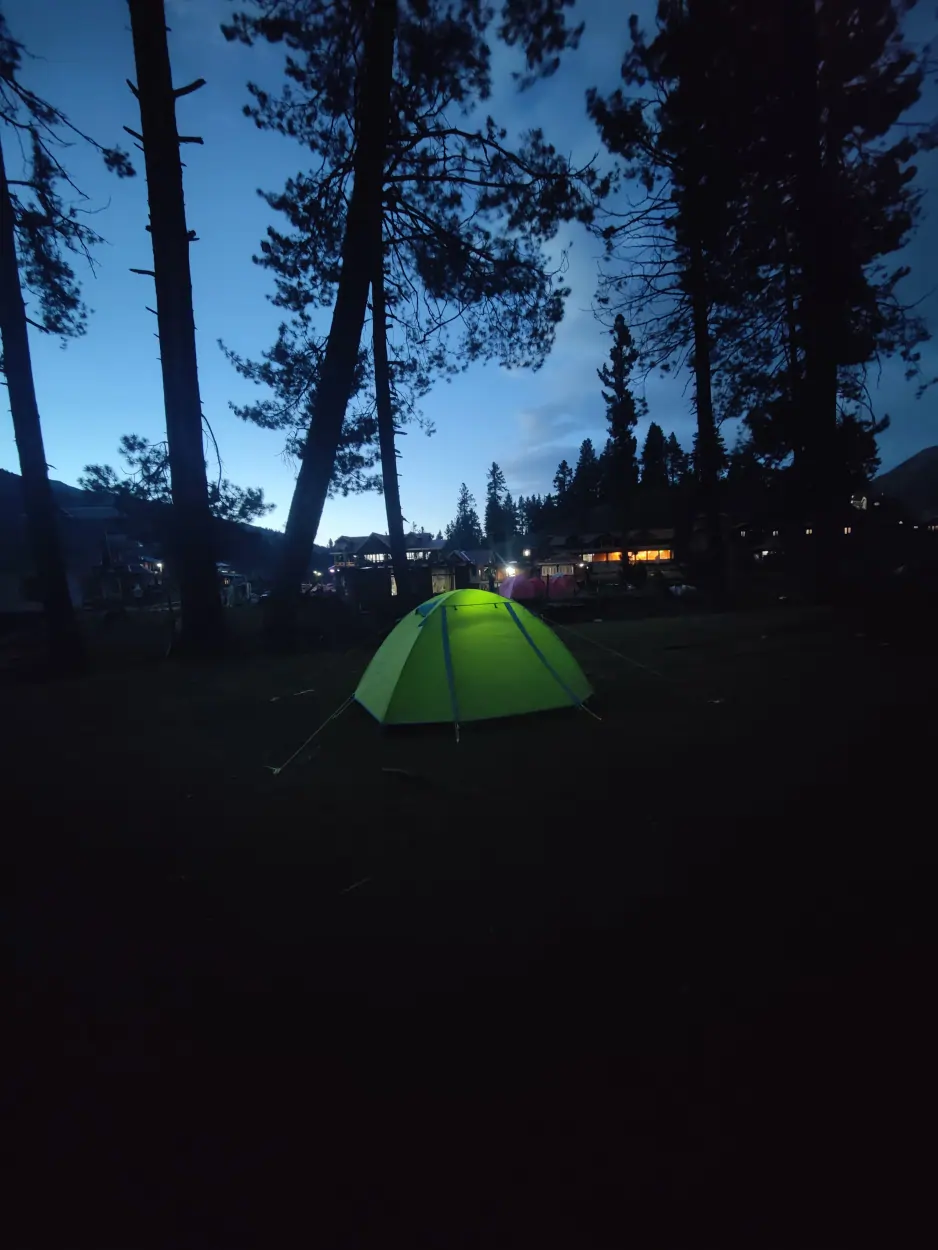
If camping, use an established or locally approved site. Ask permission and understand where people, animals or water move through the area. A flat-looking patch may collect rain or be exposed to wind. Set up with enough daylight to recognise those problems. Keep food secure, manage wastewater carefully and carry out everything you brought in that cannot be handled locally. Avoid open fires unless explicitly permitted and appropriate; a small flame can leave an outsized scar in a busy meadow.
Build your night around a sleep system that works at the temperatures you might encounter, not a marketing label. Test the tent, mat and sleeping bag before the trip. Bring a dry layer reserved for camp and keep it protected while walking. If you are sharing equipment, agree in advance who carries what and what happens if one bag is delayed. The camping page and gear checklist help turn these questions into a practical packing plan.
Ask a host how the chosen accommodation manages waste, water and power. The answer can guide what you carry and what you should take back down. If camping, avoid treating a lodge’s facilities as a free extension of your campsite. Agree on any services you use, pay where appropriate and leave the area around your tent clean enough that the next group need not inspect it.
Field guide / 05
Treat Beyal and onward walks as separate decisions
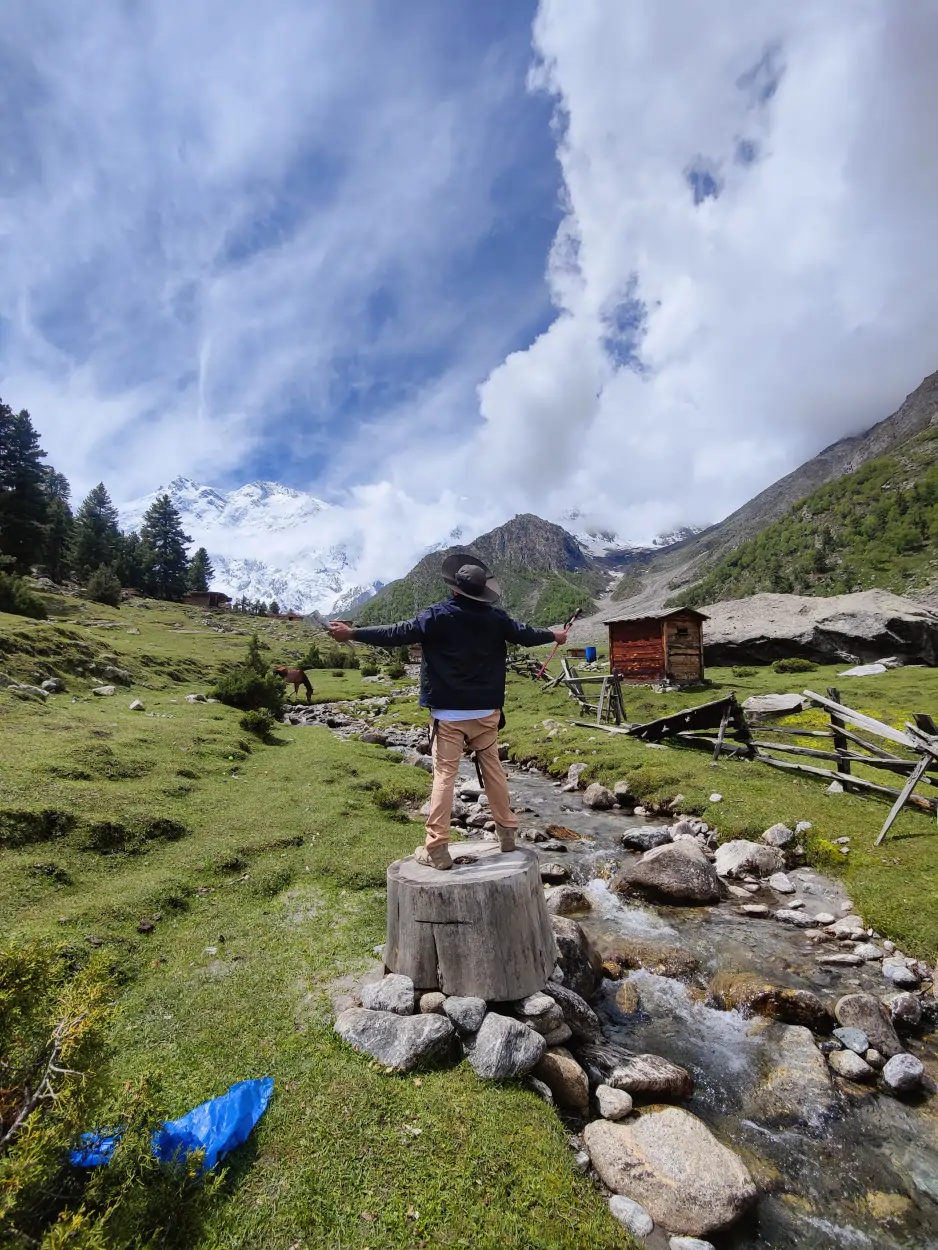
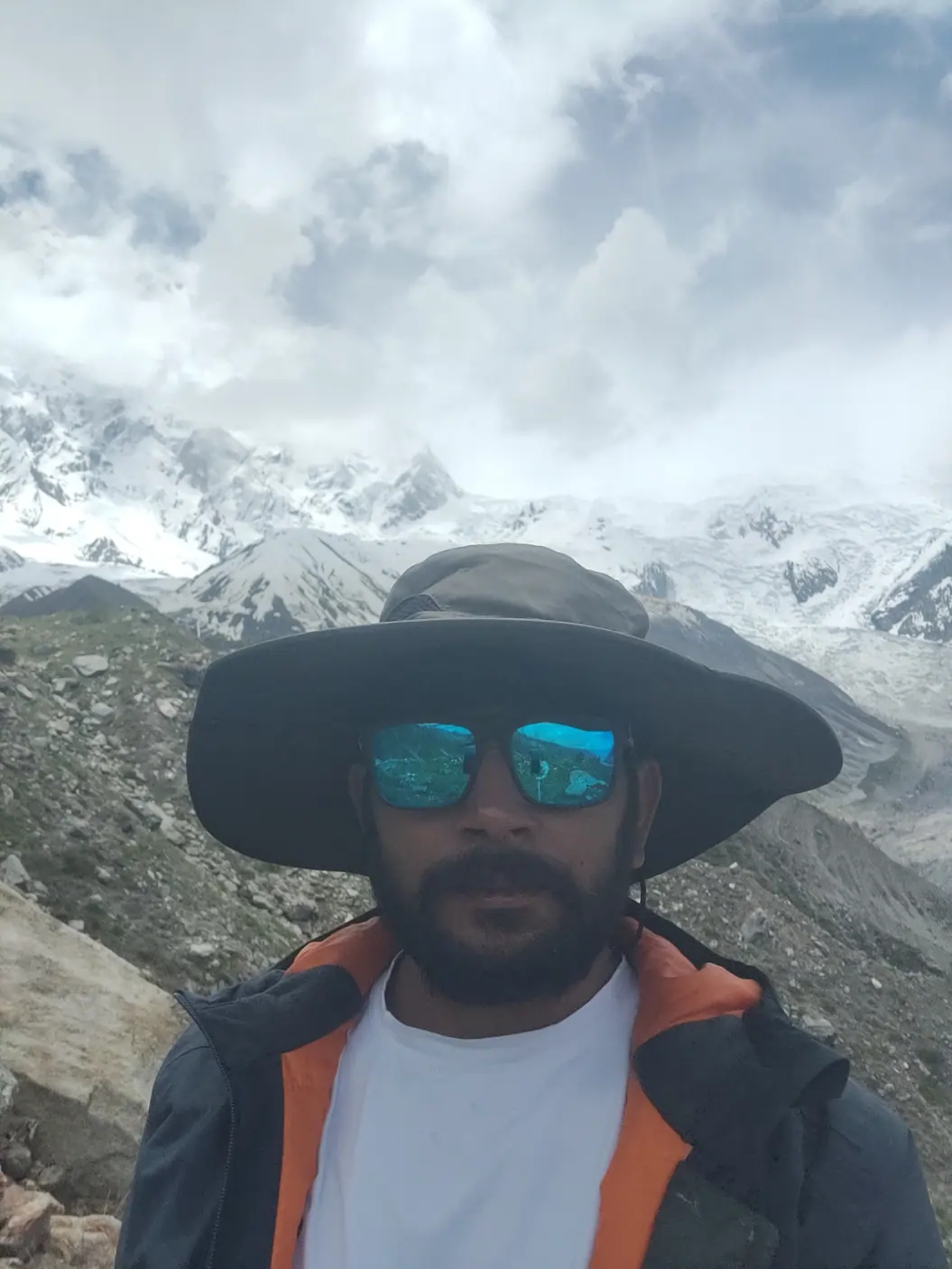
The meadows can be a complete destination. Some travellers continue toward Beyal or farther in the Nanga Parbat area, but those are not merely extra items on the same afternoon’s list. The official destination page names Beyal and the basecamp direction; it does not make every onward route suitable for every visitor or every day. Ask about the current trail, weather, time commitment and whether a local guide is appropriate. Decide on an exact turnaround time before leaving.
A longer walk changes the water, clothing and communication you need. Carry enough for a delay and be prepared to turn around without reaching a named viewpoint. In mountain landscapes, proximity in a photograph can distort scale. A distant wall may look close while the path takes hours, crosses changing ground or rises more than expected. Avoid following an online track blindly when local advice differs. If a section is unfamiliar or conditions are uncertain, using a qualified local guide can improve both safety and understanding.
Keep your return in the plan. It is easy to spend energy going out and forget the walking needed to get back before dark. Every stop for filming or photographs uses time; record that honestly. If one person wants to continue and another is tired, do not split casually without a clear rendezvous and communications plan. There is no obligation to prove a visit by reaching a particular basecamp marker. The experience can be rich while remaining within the group’s realistic capacity.
For an onward walk, write the turnaround time on a card or in a note before leaving. That simple act makes the limit real when a distant viewpoint appears “just a little farther.” The return may feel longer if weather closes or fatigue arrives. If you reach the agreed time without the objective, returning is the plan working—not the plan failing.
Field guide / 06
Prepare for limited power and imperfect connectivity
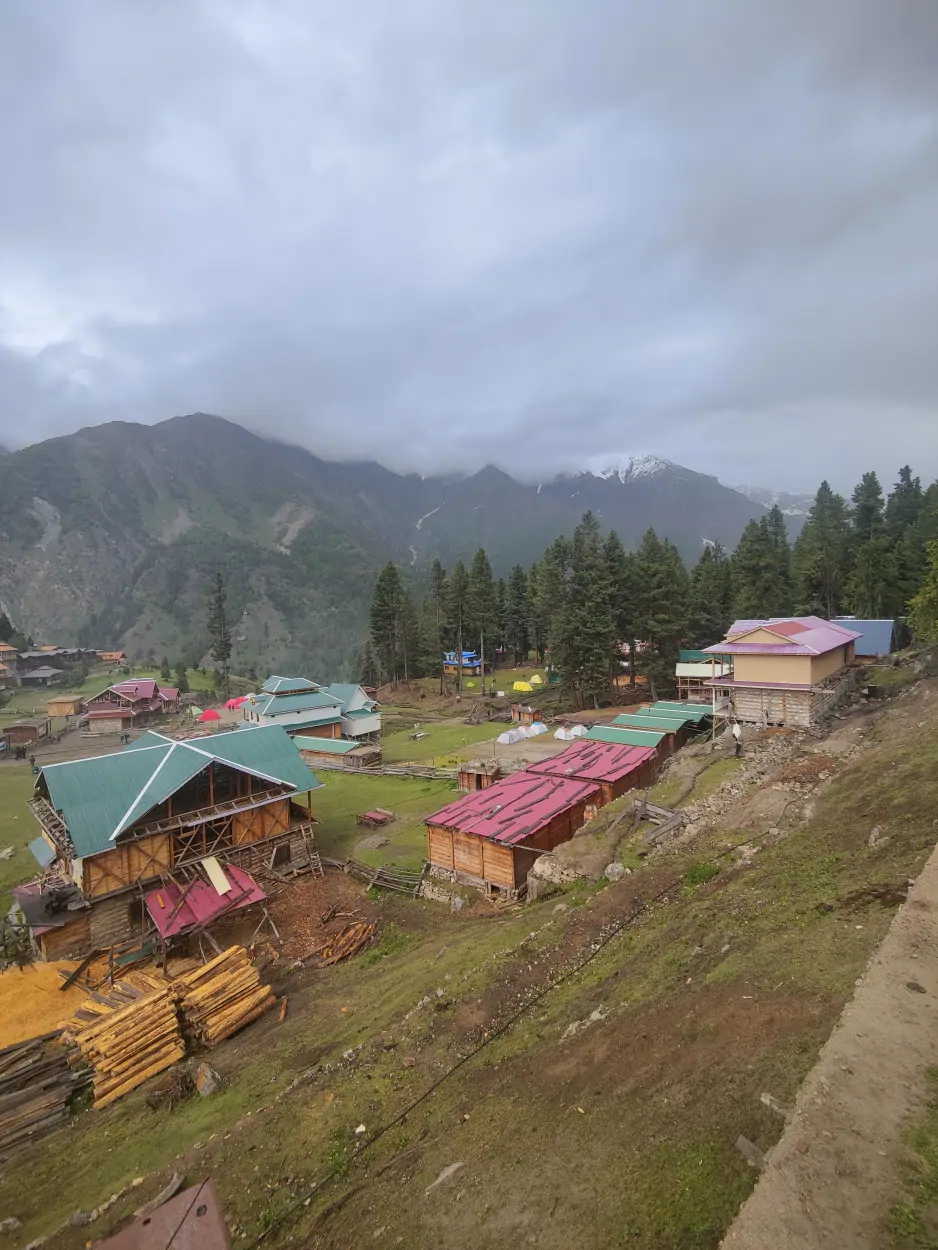
The official Gilgit-Baltistan Tourism Department notes limited electricity and network coverage around Fairy Meadows. Do not interpret that as a precise current service map. It means you should plan to function without a constant signal. Save offline maps, booking details and contact numbers before you leave the main road. Tell a trusted person when you expect to check in, allowing for a reasonable delay. Keep a small written note with essential information in case your phone is lost or unpowered.
Power planning matters if you film. Charge batteries before the approach, protect them from cold and bring only the capacity you can carry responsibly. Do not assume a lodge socket will always be available or that charging will be free. A power bank is useful, but it should not be the only way you know the route. Downloaded references, a simple paper sketch and local guidance complement digital navigation. The fewer devices that must work perfectly, the more attention you can give the place.
Money planning should also reflect uncertainty. Confirm payment methods with the operator or accommodation before leaving a reliable service area, and carry appropriate cash securely if needed. Prices are deliberately omitted here because they change. Asking directly and respectfully is better than trusting a stale figure from an old blog. If you are hiring people or services, agree on the service, timing and price clearly. A fair transaction begins with shared expectations.
A small communications card can list the accommodation name, local contact, group members and planned return time. Keep one copy with someone who is not walking and another with the group. This matters more than posting a live location on social media, which may fail precisely where connectivity is weakest. Protect private contact details when publishing the story afterward.
Field guide / 07
Photograph the place without turning it into a set
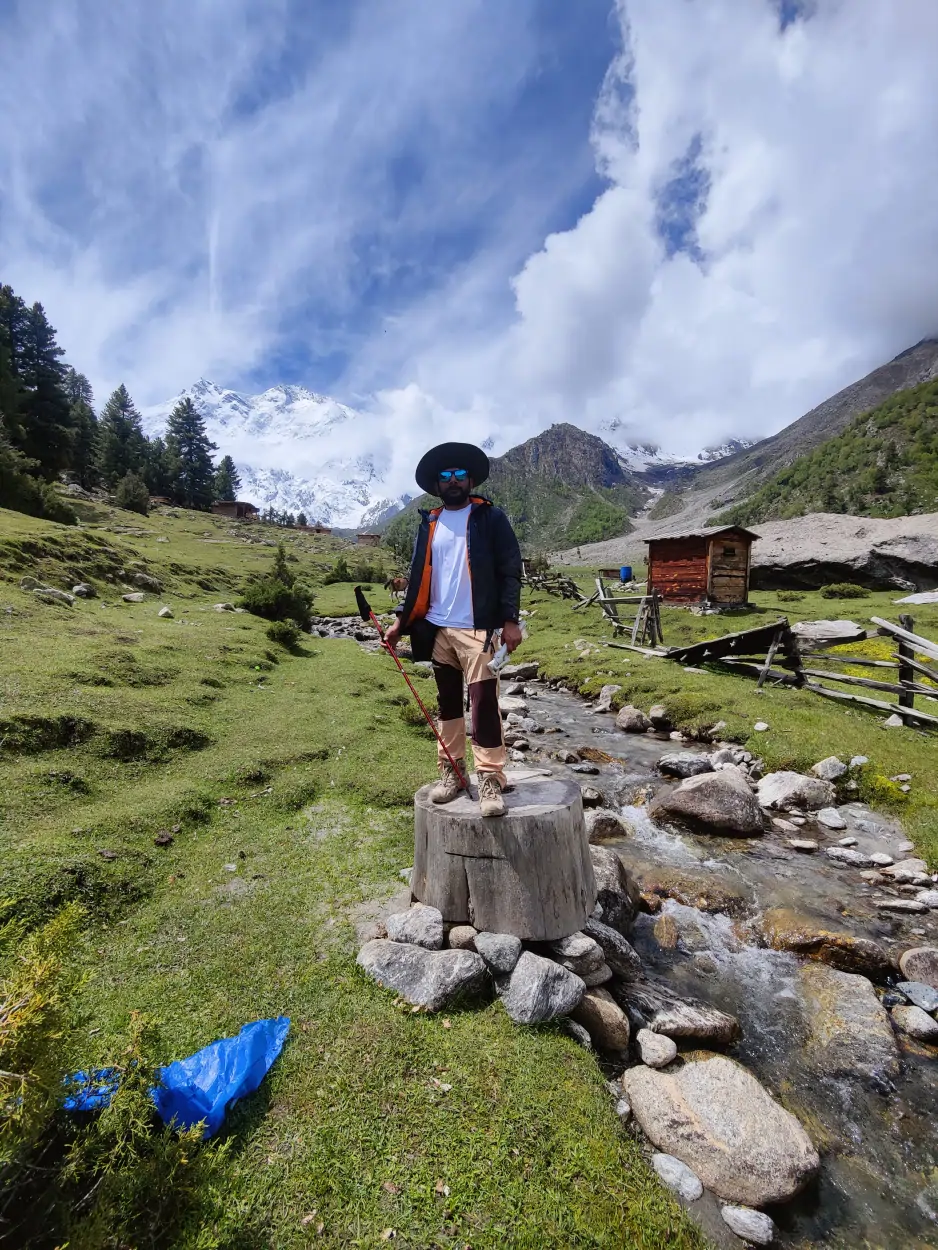
Nanga Parbat may dominate the frame, but the place contains more than one famous mountain. The path, forest, local work, weather moving across the valley and ordinary camp tasks all tell part of the story. Photographing those details can make a travel narrative more truthful. Do not step into fragile vegetation, enter a private area or block a path to improve composition. A respectful camera position is often a more creative one because it asks you to see what is already there.
Ask permission before making identifiable portraits or filming workers and residents. Explain where the image might appear, particularly if the work is commercial. A friendly interaction does not automatically grant publication consent. If someone declines, put the camera down. The same courtesy applies to other travellers who may not want to become background characters in a video. Editing should not imply that a guide, business or community endorsed something they did not.
Offbeat Camper’s film collection is built from the journey itself. That approach means being willing to show weather, waiting and decisions, not only the final vista. A clear view is a gift, not an entitlement. When conditions prevent the photograph you hoped for, tell the truth about what happened. Future travellers learn more from an honest account of change than from a claim that every dawn is perfect.
When making a portrait, explain what you are creating and how it may be used. Consent to a quick photograph is not automatically consent to a promotional campaign. If the image later becomes part of sponsored work, revisit the permission. A respectful process is not a burden on storytelling; it is what lets the story remain fair to the people in it.
Field guide / 08
Leave with a useful record for the next traveller
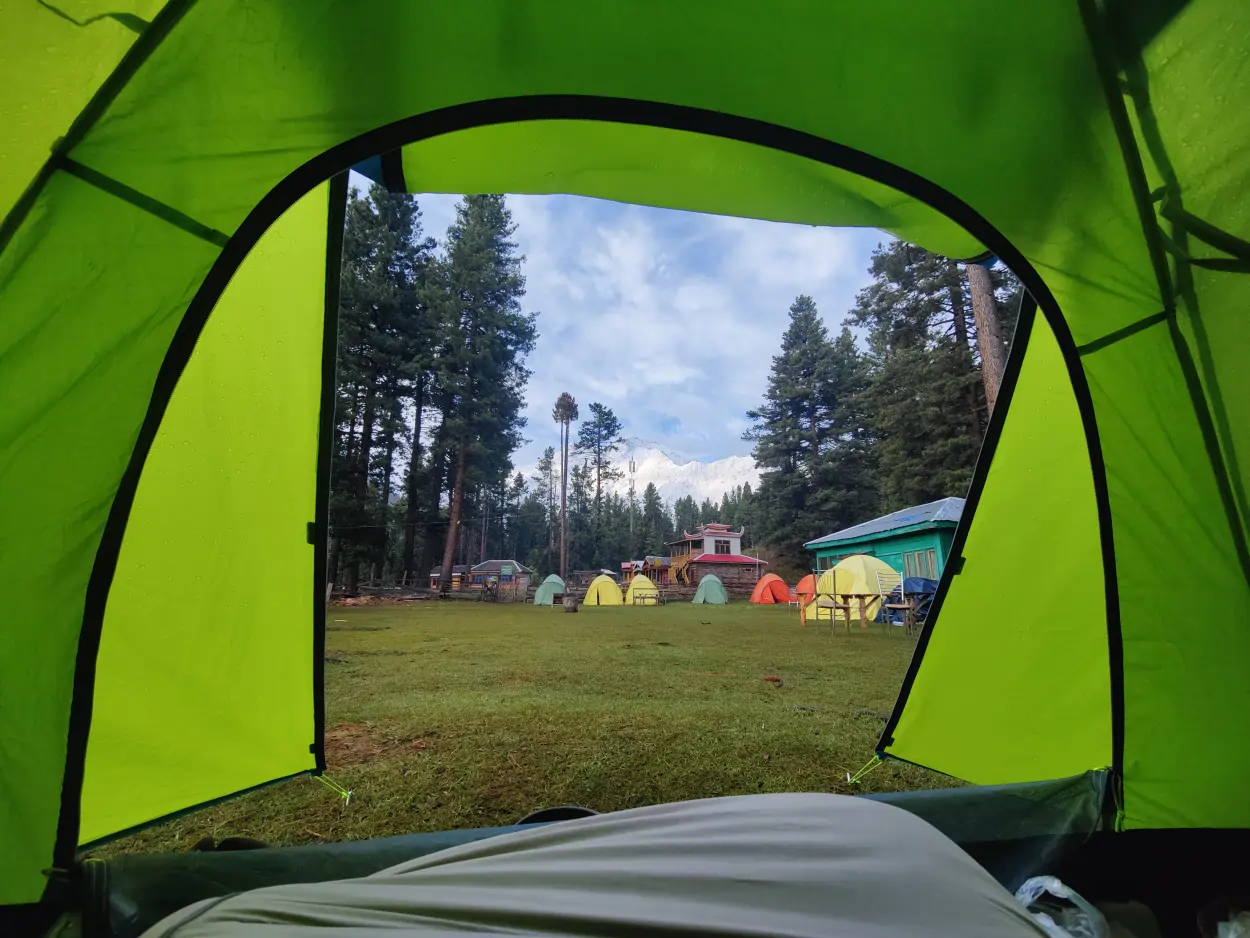
Before departing, ask yourself what you would tell someone planning the same trip next month. Separate durable advice from information that may expire. “Carry a warm layer” remains useful; “the track is open” needs a date and fresh verification. If you publish a field note, identify when you travelled, which parts you personally observed and which details you confirmed through another source. Link official sources so readers can check them again. That is a better service than presenting a timeless-looking checklist with hidden assumptions.
Take your waste out or use the systems that local hosts direct you to use. Pay fairly for services, respect trail and campsite rules, and avoid leaving gear or food packaging behind. If an area feels crowded, choose a quieter time or a less pressured activity rather than pushing farther into sensitive ground. The meadow is also a livelihood landscape; visitors benefit from treating hosts as partners in its care.
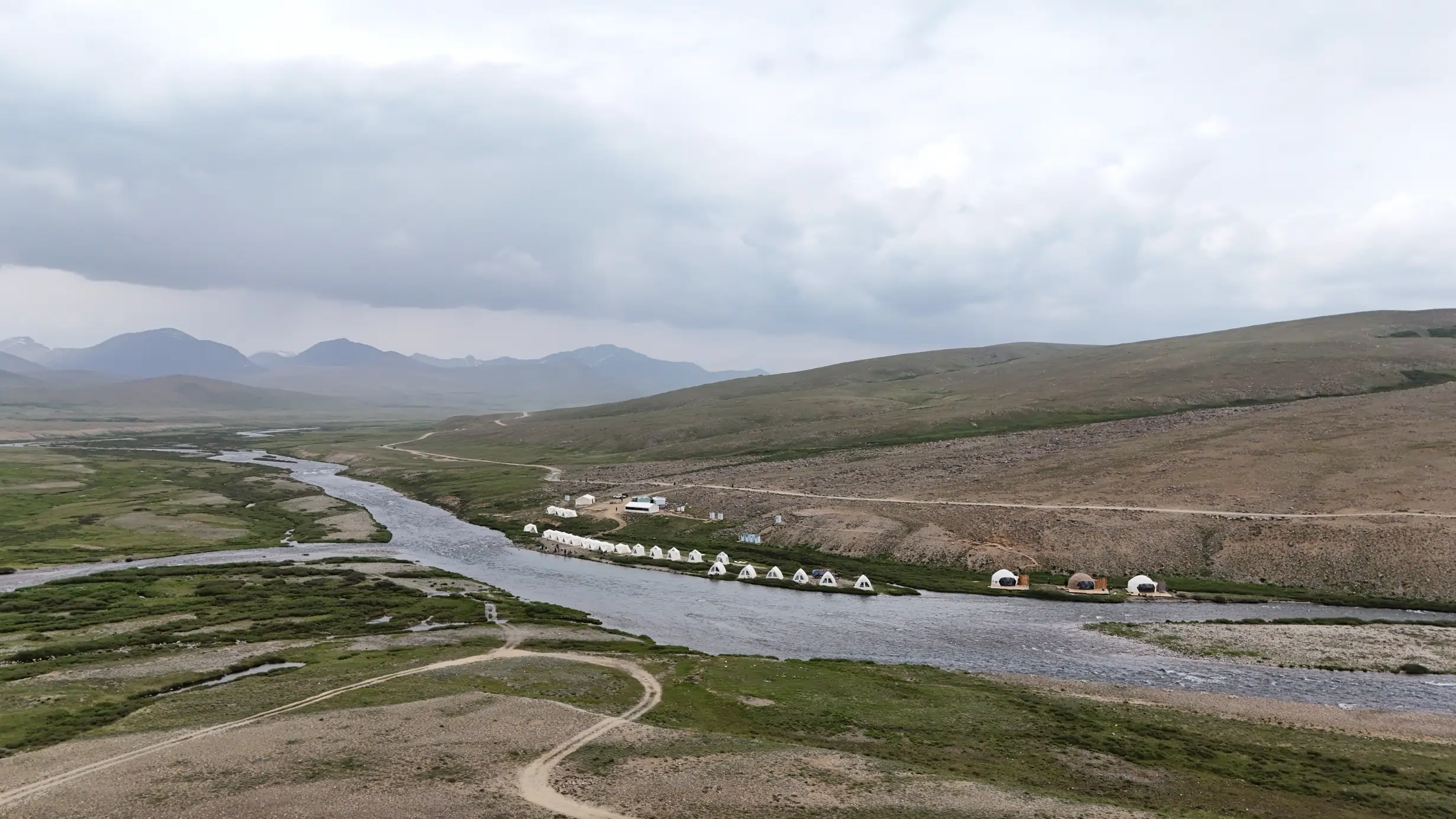
The final test of a good Fairy Meadows plan is not whether the mountain appeared exactly as imagined. It is whether you walked within your ability, adapted to the day, treated people well and left the site ready for others. Continue through Offbeat Camper’s journal for related field notes, or compare this journey with the open terrain of Deosai, Kumrat and Nangma Valley. Each landscape asks a different question of the traveller.
A useful trip report might include a short “what changed” box: access information verified on arrival, weather that differed from the forecast, and decisions made because of those changes. Date it clearly. Readers can then learn from your reasoning without mistaking a historical snapshot for a current guarantee. That is especially important for a popular route where new visitors may copy an old plan.
Keep exploring: trekking stories, the travel guides and the route-based gear checklist.