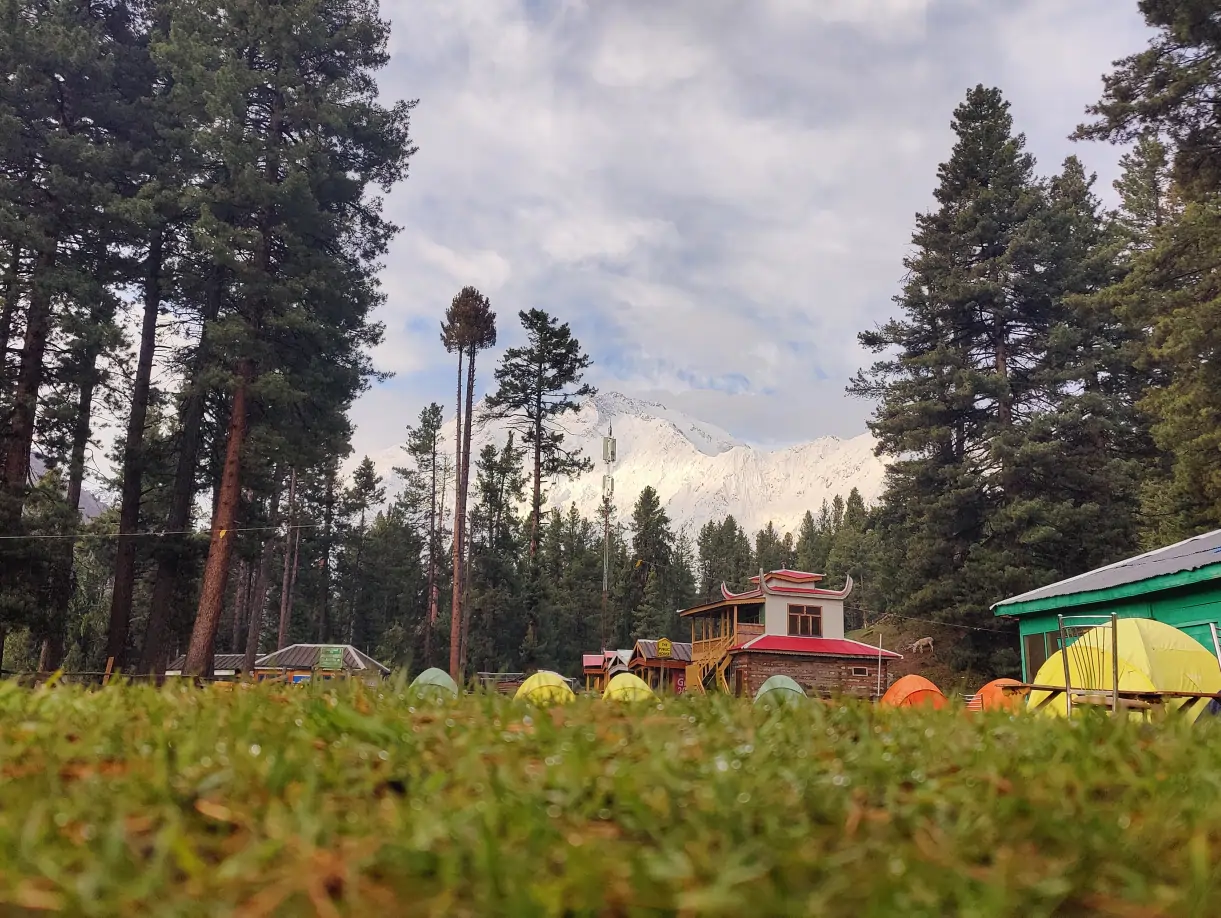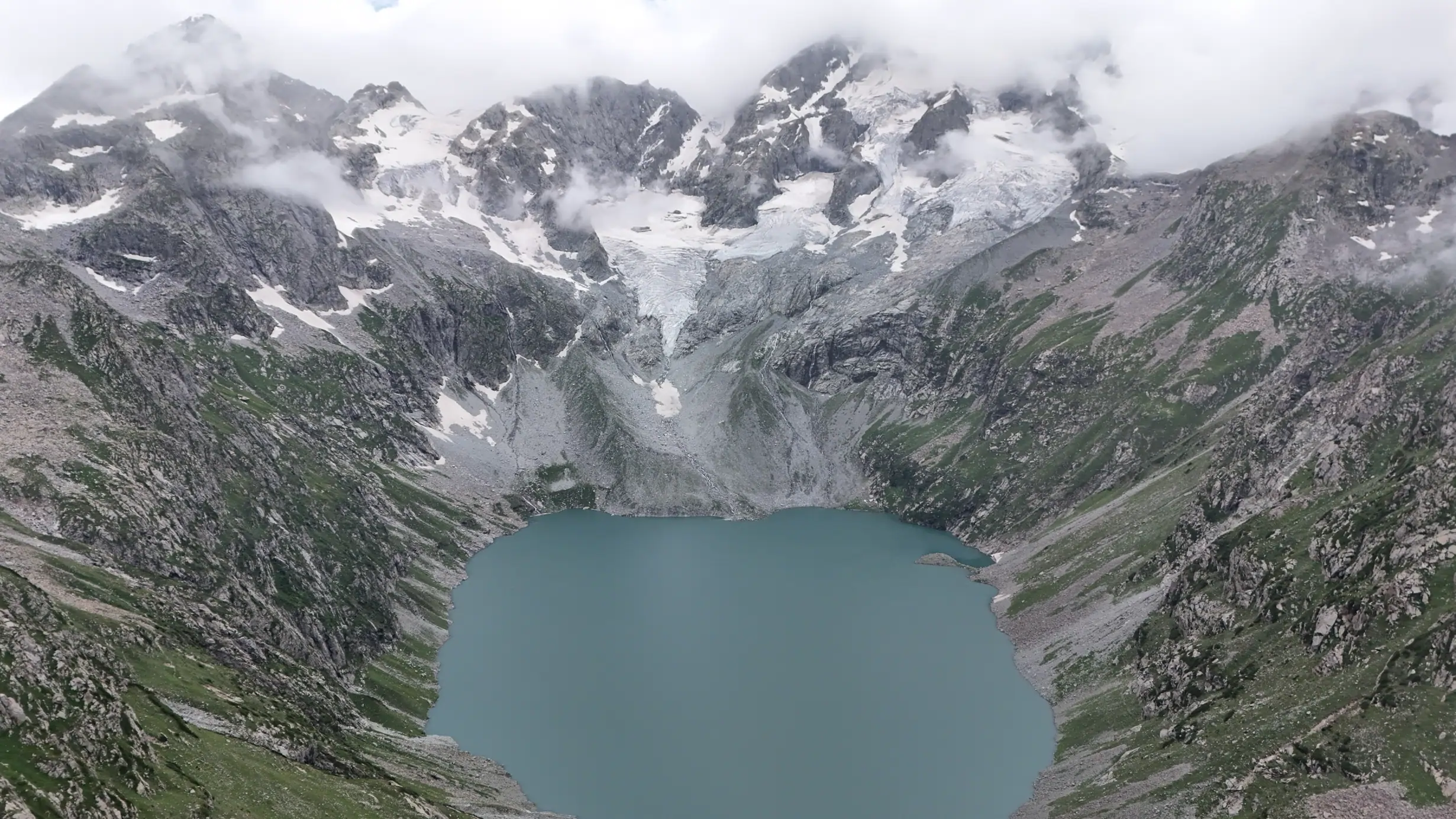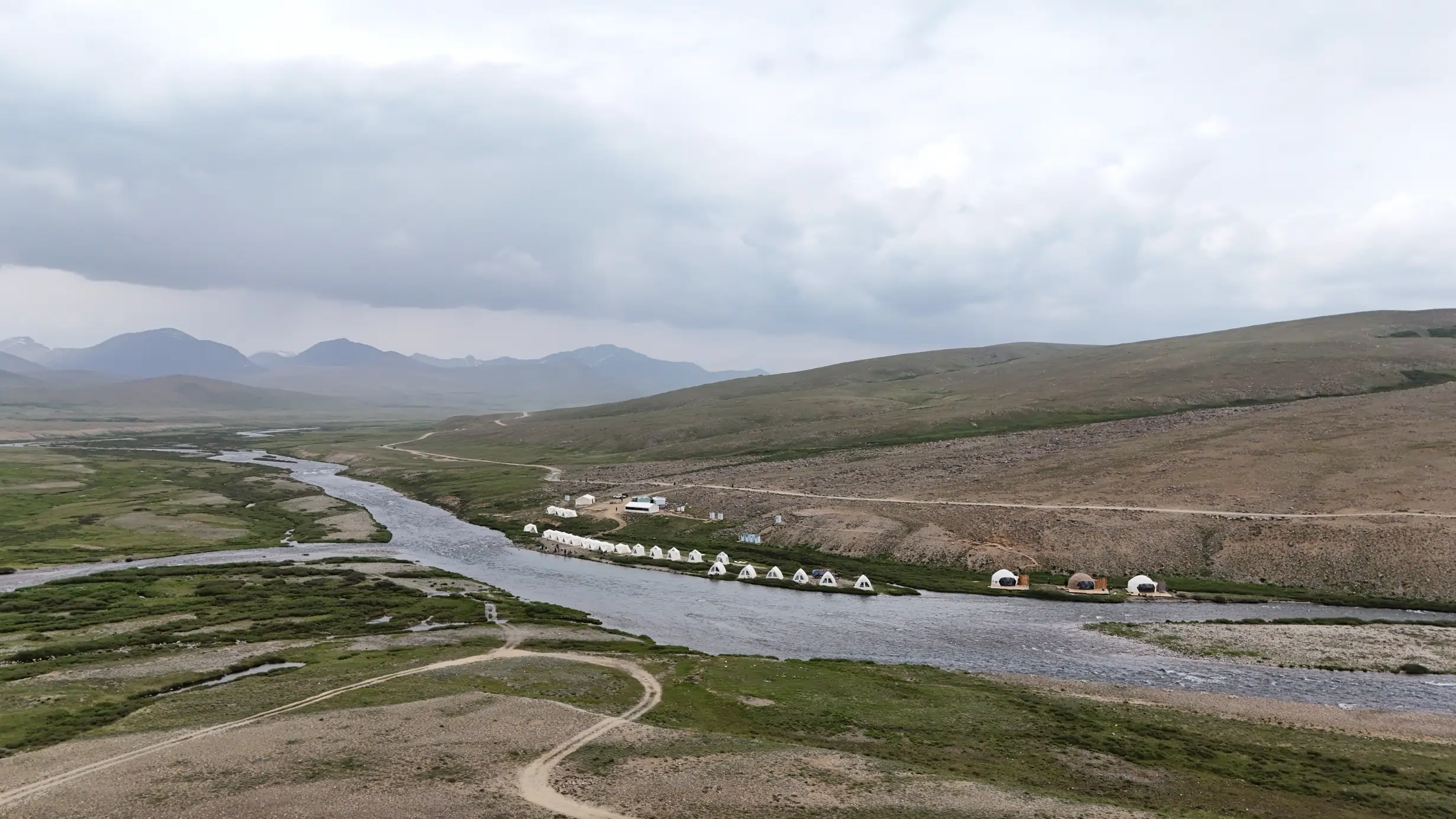
The appeal of a long motorcycle journey through Pakistan is easy to understand: the road changes character quickly, and the rider experiences every change directly. The harder part is turning that excitement into a route that still works when the weather, surface, daylight or motorcycle refuses to follow the plan. This guide explains a decision-led way to prepare, ride and adapt.
The short answer
Plan a Pakistan motorcycle trip by stage, not by map distance alone. Allow daylight margin, check current weather and access, inspect the loaded bike, identify fuel and fallback stops, and agree on clear turn-around rules before remote sections.
Field guide / 01
Start with the kind of journey you want
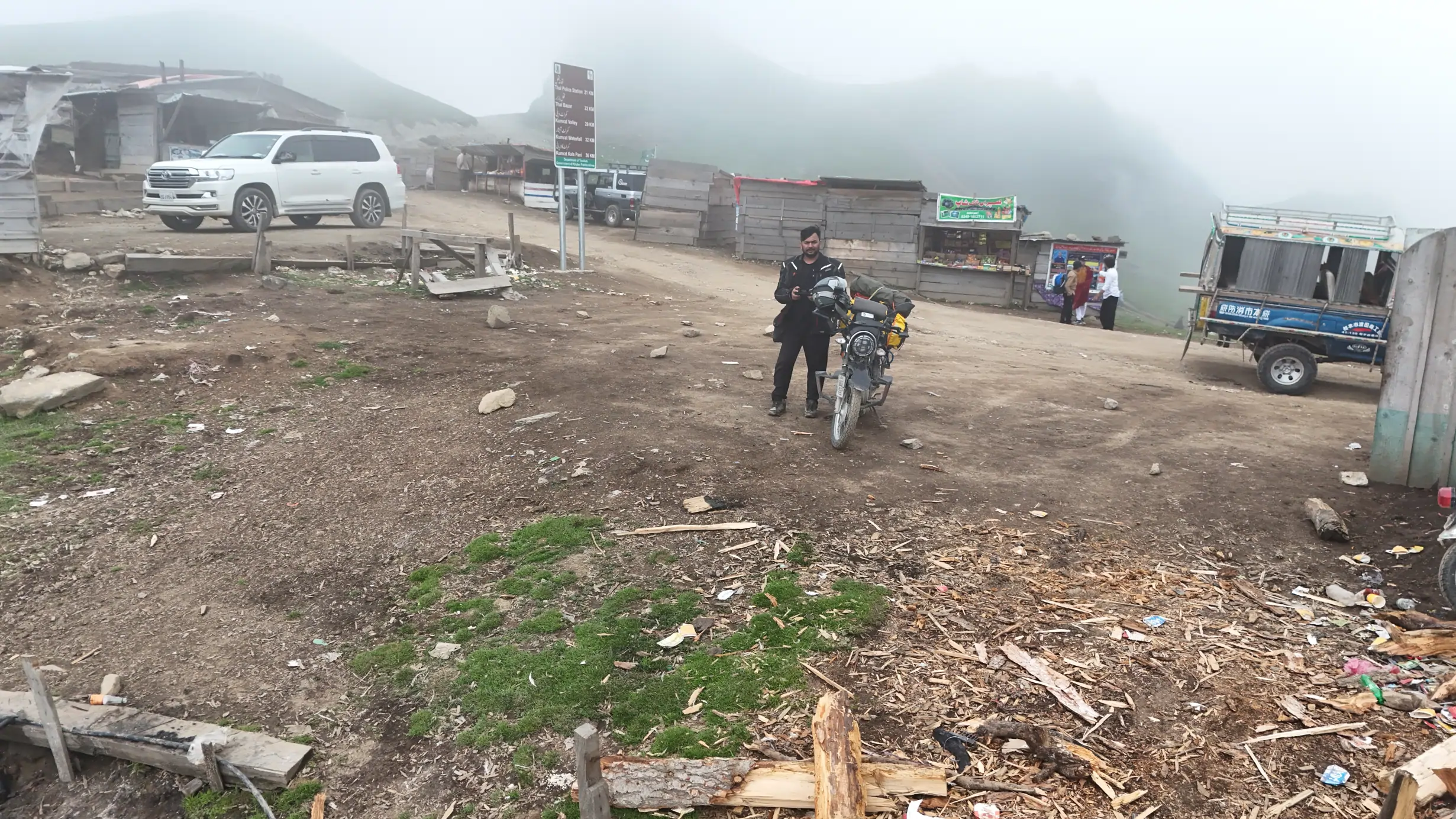
A useful plan begins with a purpose, not a mileage target. Are you riding to film a particular landscape, reach a trailhead, camp for several nights, or simply learn how your motorcycle behaves on a longer route? Each purpose creates a different day. A photography day may require long stops at first and last light. A trekking connection asks you to arrive with energy for walking. A remote camping day needs time to locate legal and appropriate ground, collect water safely and set shelter before dark. Write down the main purpose of each stage before choosing the road. This makes it easier to reject an attractive detour that would consume the margin you need later. The destination atlas can help you compare landscapes, while the films show what a journey looks like beyond a map pin.
Decide what success means if the headline destination becomes unavailable. A weather closure, illness, mechanical problem or changed local access should not turn the entire ride into failure. Build an alternative stop in the same region and a clear turn-around point. That approach is especially valuable in mountain country, where a short road segment can take much longer than its distance suggests. Before departure, consult the Pakistan Meteorological Department and the National Disaster Management Authority advisories; both are more appropriate for live conditions than a travel article published weeks or months earlier. Treat a local driver, shopkeeper or accommodation host as a useful additional source, but cross-check critical decisions when possible.
A good itinerary distinguishes fixed commitments from flexible ones. A return journey, flight or collaboration shoot might be fixed. A viewpoint stop, lunch town or camp might move. Put the fixed items on a calendar, then leave unsold days between them. That slack is not wasted time. It is where a mechanical repair, a memorable conversation or a safe decision to wait out rain can fit. Your plan should be readable at a glance: start, intended finish, fuel opportunities, alternative finish, daylight window, accommodation or camp option, and one person who knows where you expect to be.
Try writing the trip’s purpose in one sentence and reading it each morning. If the purpose is to observe and film a valley, a six-hour detour for a distant landmark may not help. If the purpose is to learn loaded-bike handling, a nearby overnight could be more valuable than a rushed high-pass crossing. The sentence gives permission to make a smaller, better trip.
Field guide / 02
Break the route into realistic riding days
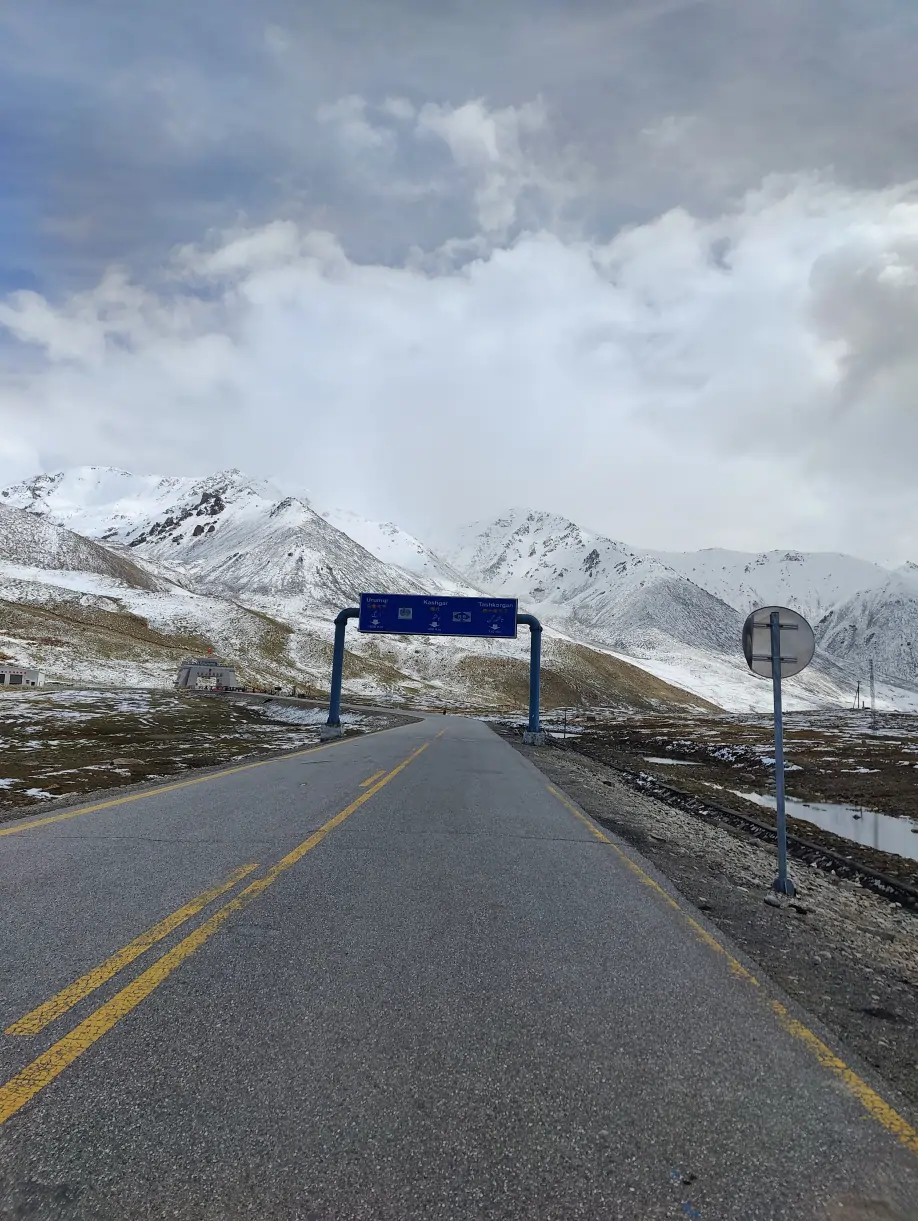
Distance alone is a poor predictor of a motorcycle day. A smooth highway, an urban exit, a loose mountain track and a high pass ask different things of both rider and machine. Estimate each stage by the slowest meaningful section, not by the fastest average shown in a mapping app. Add time for fuel, food, photography, navigation errors and the simple need to get off the motorcycle. A day that looks easy on a screen may become demanding after repeated hairpins, broken edges or crosswinds. If your itinerary has no room for those delays, shorten the stage before departure rather than trying to recover time on the road.
Use daylight as a hard planning constraint. Arriving after dark can mean reading damaged surfaces, animals, unlit vehicles and unfamiliar junctions with less information. Work backward from a conservative arrival time and set a latest-departure time. If you miss it, change the destination rather than riding faster. The same rule applies to a long lunch stop or an unexpected filming opportunity. Maintain a list of intermediate towns where you could finish early. A flexible overnight is often a safer and more enjoyable choice than forcing a pre-booked endpoint.
Before each stage, ask four questions: what is the last reliable fuel point, what is the last comfortable place to stop, where can I obtain help if the motorcycle has a problem, and what is the road most likely to do in bad weather? A route card with those answers is more useful than a minute-by-minute schedule. Revisit it every morning because yesterday’s reports may already be stale. On the motorcycle hub, Offbeat Camper groups journeys by the realities of riding rather than promising a universal speed or travel time.
A useful route note includes uncertainty, not only coordinates. Mark an overnight as “preferred” or “backup,” a fuel stop as “confirmed” or “to verify,” and a road segment as “weather-dependent.” This makes gaps visible while there is still time to ask questions. Share the note in a format your companion can read without your phone.
Field guide / 03
Read weather, altitude and road exposure together
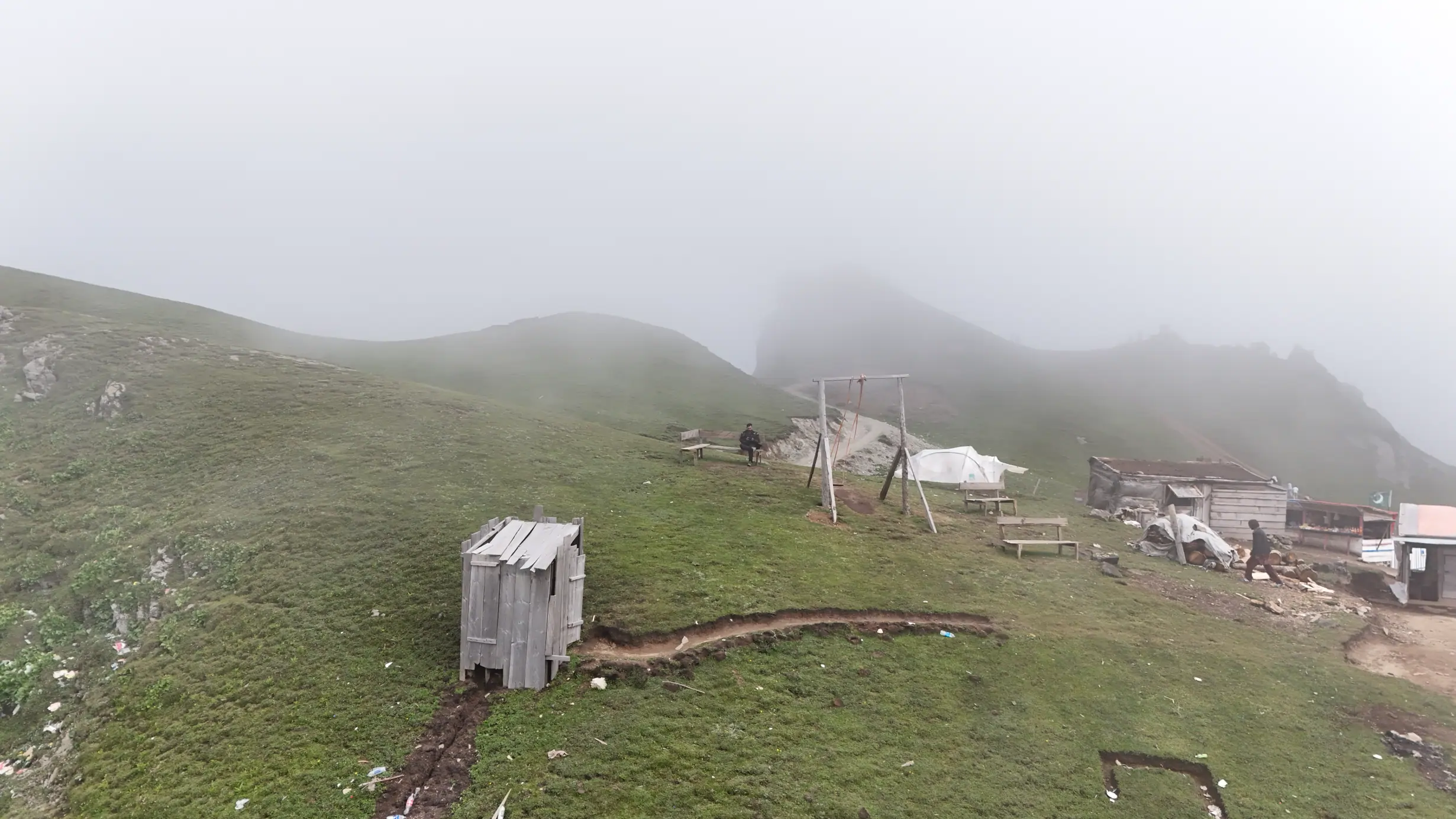
Weather is not a decorative layer over the route; it changes the route. Rain can reduce grip, visibility and braking confidence, and may also affect slopes, stream crossings and the ability to dry camping equipment. Cold and wind become more consequential after hours in the saddle, especially if a rider is wet or tired. High altitude brings its own strain, so it is wise to travel at a pace that leaves time to assess how you feel instead of treating a pass as a race. These are general preparation principles, not a claim that any particular road is currently open or safe.
Look at the forecast for the places between your start and finish, not only for the destination. The warm town where you begin may tell you little about a pass or exposed plateau later in the day. Read the forecast alongside official alerts, then ask locally about the particular section you intend to ride. The PMD forecast and NDMA updates are sensible checkpoints. When heavy rain, snow, rockfall risk or poor visibility is reported, consider waiting, changing route or ending the day early. A safe retreat is not a lesser adventure.
Create a personal stop rule before you are under pressure. Examples include: no riding an unfamiliar mountain section after dark; no crossing fast or opaque water without reliable local guidance; no pushing onward if concentration is fading; and no assuming a vehicle ahead proves a surface is suitable for your motorcycle. Clear rules make a stressful decision simpler. They also help a companion understand why you are stopping when the summit or border marker feels close.
Watch how decisions compound. A late departure leads to a hurried meal, then a skipped fuel stop, then a high section at dusk. Any one choice may feel minor. Together they remove options. The simplest way to break that chain is to pause at the first missed milestone, not after the final one.
Field guide / 04
Prepare the motorcycle you actually ride
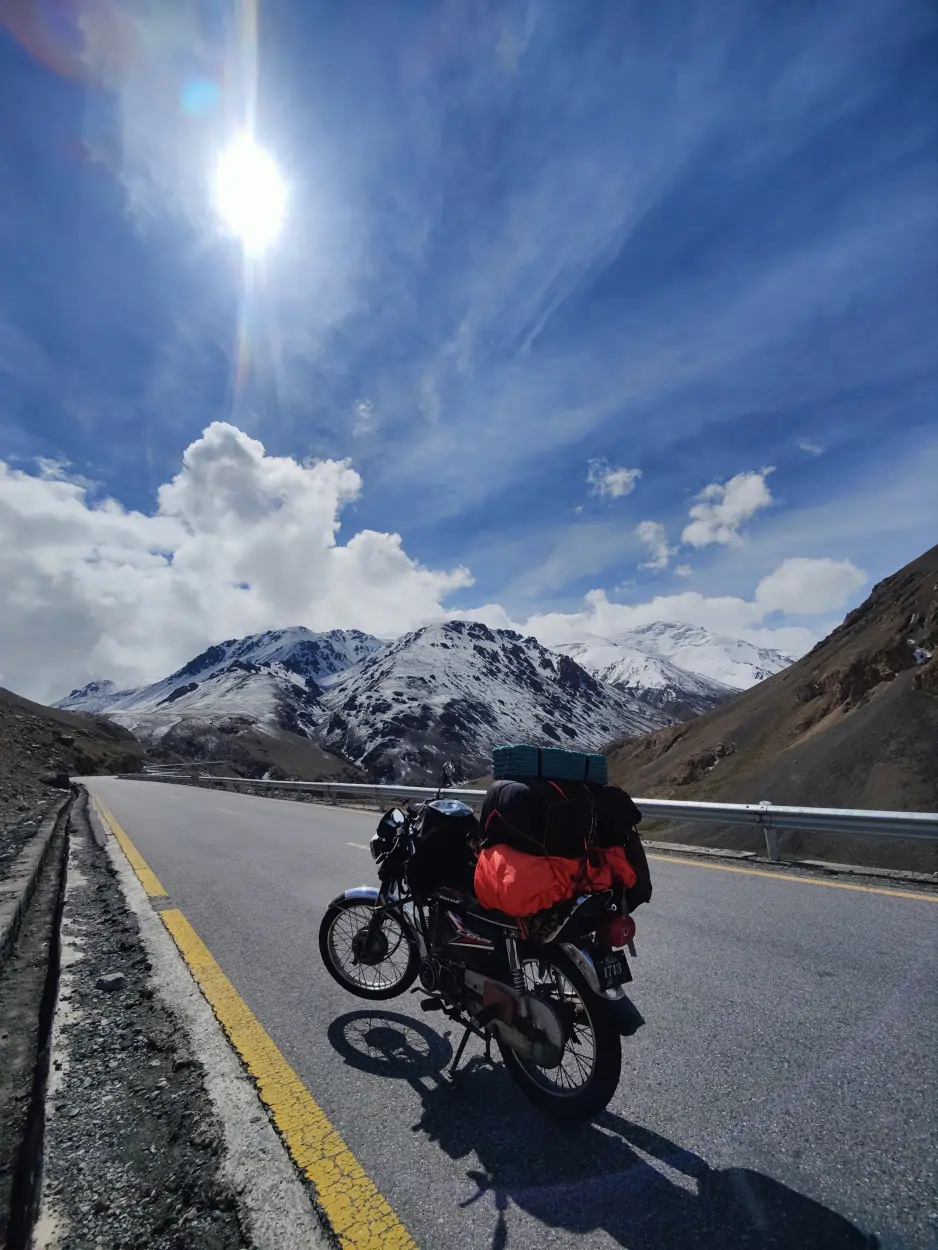
The best inspection is specific to your own motorcycle. Confirm tyre condition and pressure appropriate to the load, braking response, chain or drive condition, lights, controls, fluids, battery and fasteners. A maintenance professional can help identify problems you may not notice. Do not assume a motorcycle is journey-ready because it completed a short commute yesterday. A longer ride adds heat, vibration, weight and repeated braking. Fix known issues before you load luggage; the remote road is an expensive place to discover that a small problem was not small.
Pack tools for work you know how to do and parts that are both likely to matter and practical to carry. For some motorcycles that may mean a tyre repair method, inflator, basic spanners, spare fuses and a small selection of consumables. The exact list depends on wheel type, motorcycle design and your own ability. Carrying an unfamiliar tool is less useful than practising with the one you already have. Test a loaded day ride: stop, unpack a tool, access the wheel or chain area, and see whether the luggage blocks the job. The Gear List is intentionally category-based until exact owned models can be verified.
Observe how the motorcycle changes when loaded. Braking distance, steering feel, balance at walking speed and suspension movement may all differ. Keep heavy objects low and secure, leave the controls and lights unobstructed, and check straps after the first kilometres and at regular stops. Do not let luggage touch a hot exhaust or moving parts. If the rear of the bike feels unstable, reducing weight may be wiser than merely tightening straps. Remember that a small-capacity motorcycle can undertake a meaningful journey when the pace and load suit it; no single engine size guarantees a safe or enjoyable trip.
Keep a small maintenance log during the ride. Note a change in braking feel, tyre pressure loss, an unusual noise or repeated loosening of a strap. A pattern is easier to notice on paper than in memory after a long day. Stop and investigate a safety-critical change promptly rather than recording it for later.
Field guide / 05
Carry layers for the riding day, not only the photograph
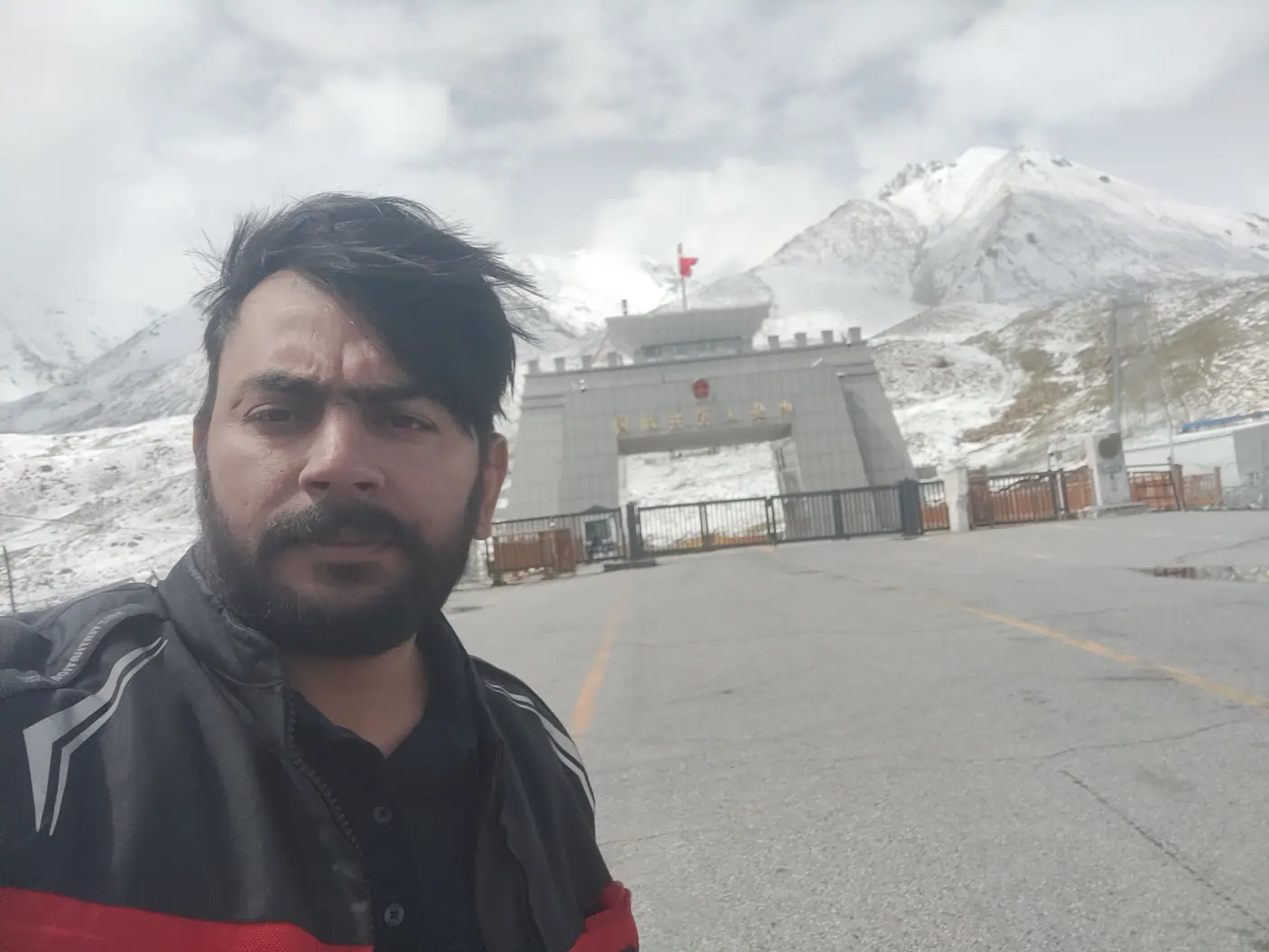
Protective riding clothing has to work for the less photogenic hours too. A helmet that fits properly, protective jacket and trousers, gloves and suitable footwear are a foundation. Add rain protection and insulating layers according to the route and season. Keep the layer needed at the next weather change accessible without unpacking the entire motorcycle. If a waterproof outer layer is buried under camp equipment, riders often postpone putting it on until they are already cold. In changing mountain weather, that delay can make the remaining ride harder.
Build a small “stop kit” for quick decisions: water, snack, phone or map, spare layer, basic first aid and a way to contact someone. It should remain available even when you leave the motorcycle briefly. Think separately about clothing for riding, for walking and for camp. A wet glove or boot that was tolerable for a short stretch may become a problem over several hours. Dry storage for at least one warm layer is valuable because a spare that is equally wet is not a spare.
Avoid product claims that cannot be supported by real use. A label such as waterproof, expedition or adventure is a starting point for evaluation, not evidence that a garment will suit your route. Test combinations at home and on a short ride. Sit on the loaded bike to see whether a jacket rides up, a backpack strains your shoulders or a glove interferes with controls. The goal is not the largest kit; it is a kit that lets you stay attentive to the road.
Separate weather protection from insulation in your packing plan. One layer blocks rain or wind; another retains warmth. Test that the two work together while seated on the motorcycle. If either prevents a full shoulder check or easy use of the controls, it needs adjustment before a remote stage.
Field guide / 06
Manage fuel, water, food and communication margins
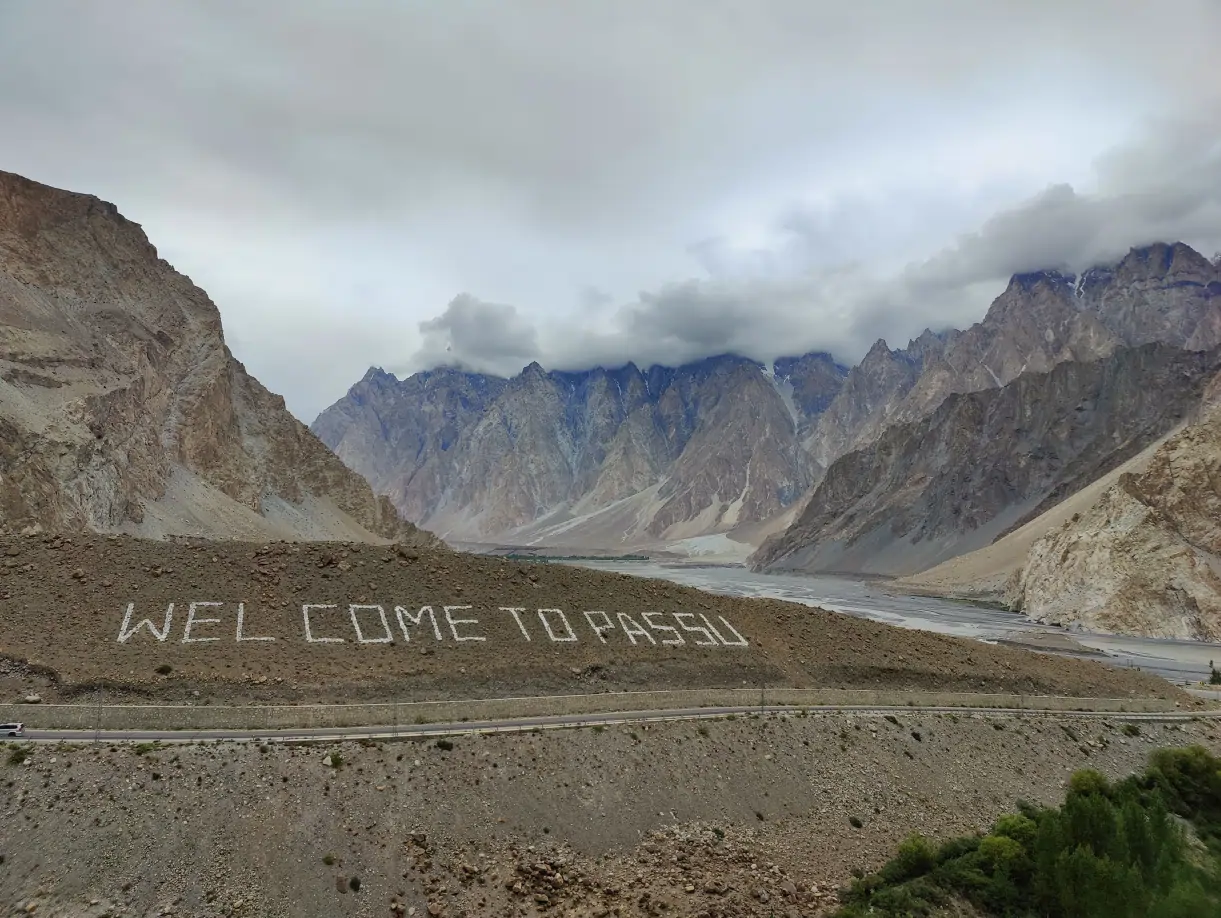
Fuel planning is about range under real conditions, not a best-case number from a previous ride. The same motorcycle may consume differently when loaded, climbing, travelling into wind or crawling on rough ground. Calculate with a conservative range and identify the last reliable fuel opportunity before a remote stretch. If carrying extra fuel is appropriate and lawful for your route, use a purpose-made container, secure it away from heat and follow local safety rules. Never depend on one uncertain source at the far end of a stage.
Water and food are similarly practical. Carry enough to manage a delay, not merely the planned lunch interval. Heat, altitude, exertion and a long repair stop can make a small bottle feel inadequate. Decide where you will refill and how you will make water safe if the source is uncertain. Keep an accessible snack for the moment when your judgement starts to fade. That is not about turning a ride into an expedition; it is a modest buffer against ordinary uncertainty.
Mobile coverage should be treated as variable. Download maps for offline use, save important contact numbers and let a trusted person know the broad route and expected check-in window. A missed check-in plan is useful only if the other person knows what to do next, so agree on a reasonable escalation step before departure. Keep power available for navigation and communication, but do not let one device become the only copy of your route, emergency contacts and booking details. Paper notes can be wonderfully resilient. When stopping in a village, ask politely before photographing people or private property and respect a refusal.
If you expect to lose connectivity, agree on what silence means. A family member should know whether a missed message is normal until evening or a reason to call a local contact. A precise check-in window, with a sensible grace period, is less alarming and more useful than a vague promise to “text when possible.”
Field guide / 07
Ride with the landscape and communities in mind
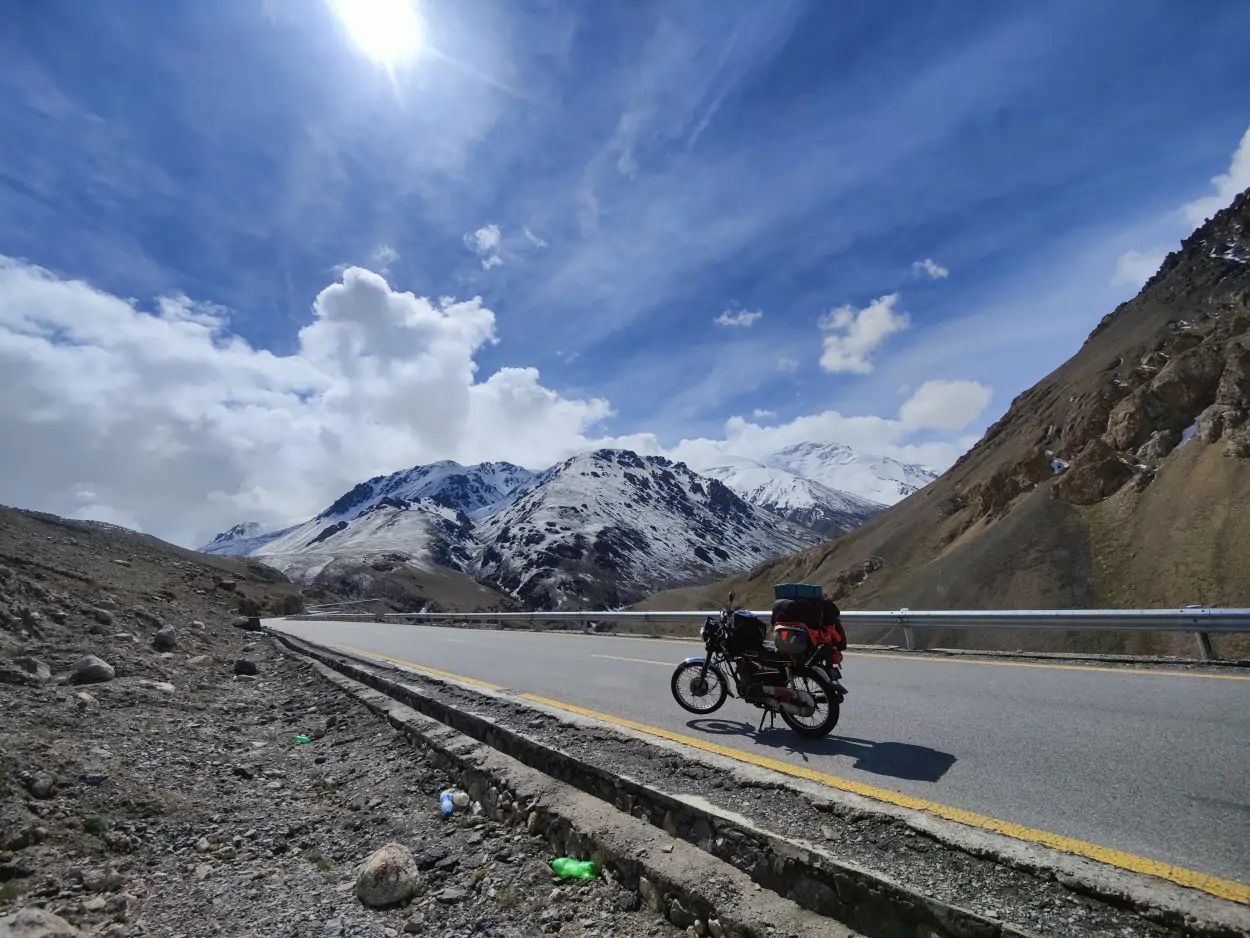
A motorcycle creates freedom, but it also creates noise, dust and a visible presence in places where people live and work. Slow down through settlements, give animals and pedestrians space, and do not treat a village lane as a scenic shortcut without permission. When a local person offers road advice that differs from a digital map, listen carefully and ask follow-up questions. They may be describing a bridge, a stream or a slope that changed yesterday. At the same time, verify high-consequence information where possible and retain your own ability to turn back.
Choose established places to stop when possible, keep waste with you and avoid washing equipment in streams. If you camp, ask about land use and local expectations rather than assuming a meadow is empty because nobody is visible. The camping guide explains how to choose a lower-impact site. Photography and film should serve the story without making a dangerous bend, a crowded road or a private courtyard into a set. Do not stop where other road users cannot see you.
A route can be adventurous without being extractive. Spending locally, crediting guides, asking consent before filming and leaving the place clean are practical parts of travel, not an afterthought. The official Pakistan Tourism Development Corporation provides destination context; local tourism and park authorities may supply more specific rules. Use those sources to prepare, then follow instructions at the place itself. The field record becomes more trustworthy when it distinguishes what you personally observed from what must be checked afresh.
Pay attention to the ordinary places between famous passes. Buying a meal, asking about a road and listening to an answer are part of a journey’s social geography. That attention often gives a better understanding of a region than a faster series of viewpoint stops.
Field guide / 08
Make a final pre-departure decision sheet
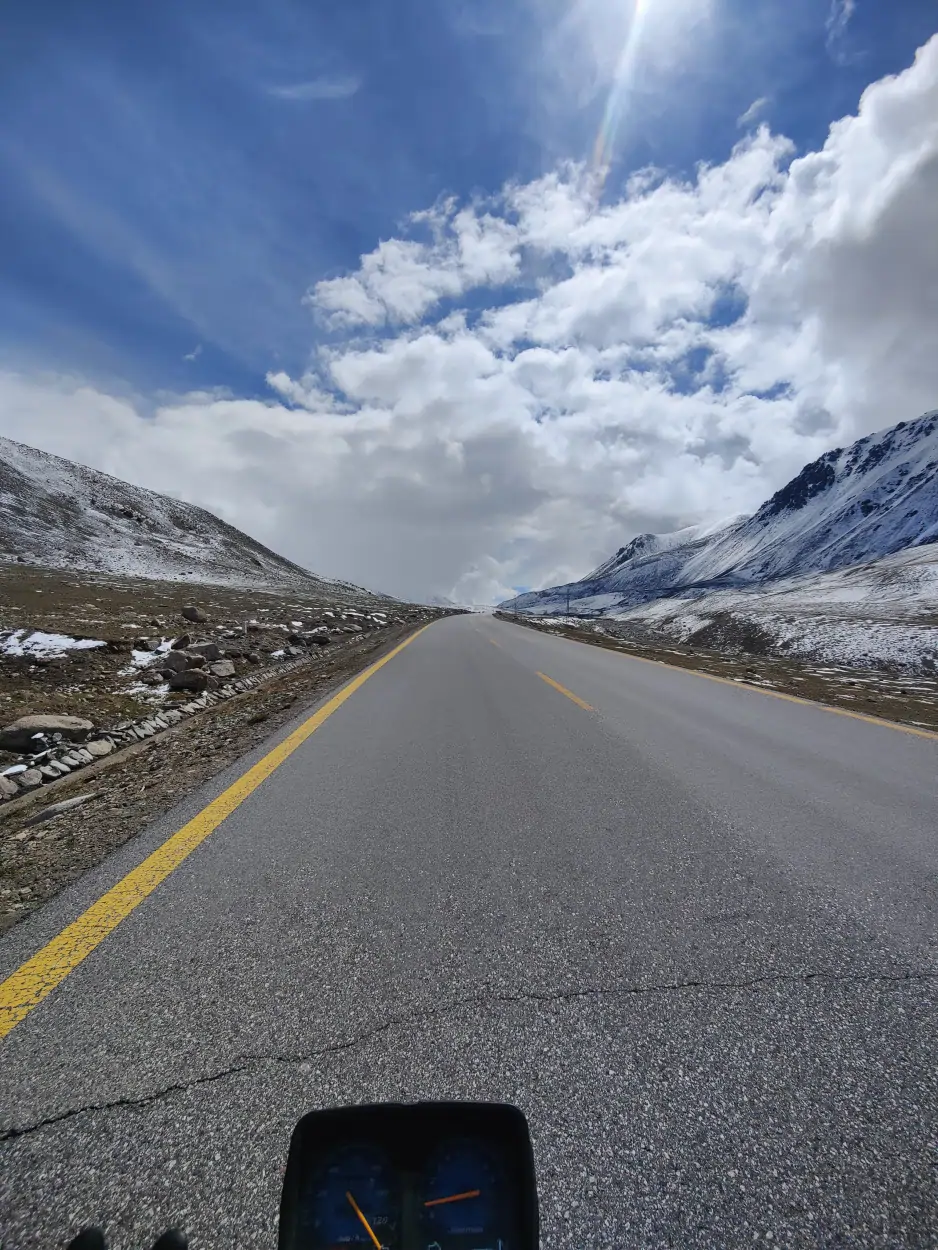
The night before a stage, reduce a complicated journey to one page. Record the intended route and an alternative, the latest safe departure time, expected fuel points, forecast and alert links, accommodation or camp options, and the next check-in. List the two or three reasons you would stop or change course. This page is not a promise to complete the stage; it is a way to preserve clear thinking when the day becomes noisy. Share the essentials with a companion or trusted contact, then update them if the plan changes significantly.
On the morning itself, inspect the motorcycle again, confirm your load and read the newest relevant information. If the weather or road outlook has worsened, shorten the stage before you are committed. When travelling with others, agree that anyone can call for a pause without having to defend it immediately. That simple rule can prevent a group from drifting into a collective mistake. If riding alone, schedule deliberate rest stops so fatigue does not decide for you.
Finally, leave room to enjoy what the route offers. A disciplined plan is not the opposite of spontaneity; it creates the margin that makes spontaneity safe. The best footage, campsite or conversation may not be on your original list. Offbeat Camper’s field journal follows that spirit, and the adventures hub offers a way into the next road, trek or night outside. Ride at a pace that lets you come home with both the story and the desire to go again.
End each day with a two-minute review: what changed, what needs repair, where will you find fuel tomorrow, and what is the earliest sensible stop if the day goes badly? The review helps prevent a small unresolved issue from becoming the next day’s emergency.
Keep exploring: motorcycle journeys, the travel guides and the route-based gear checklist.