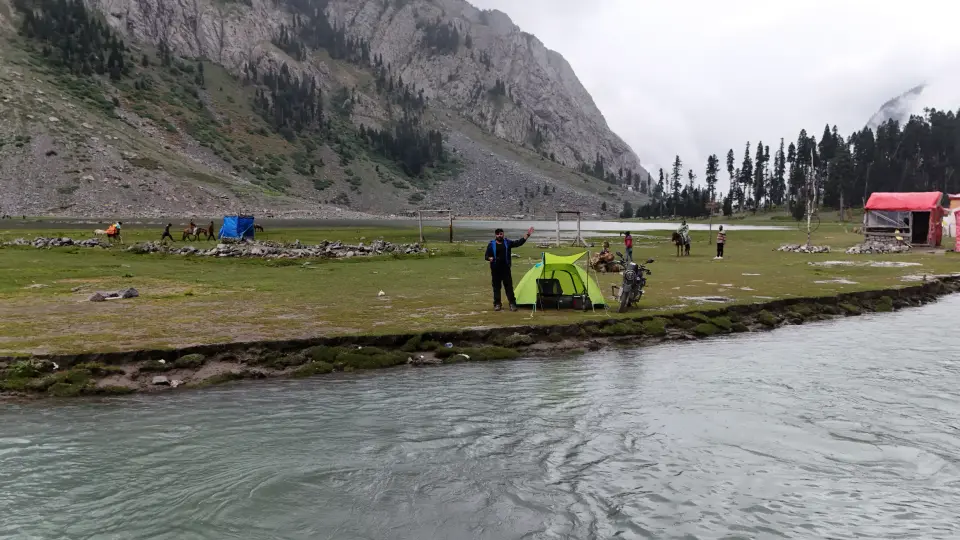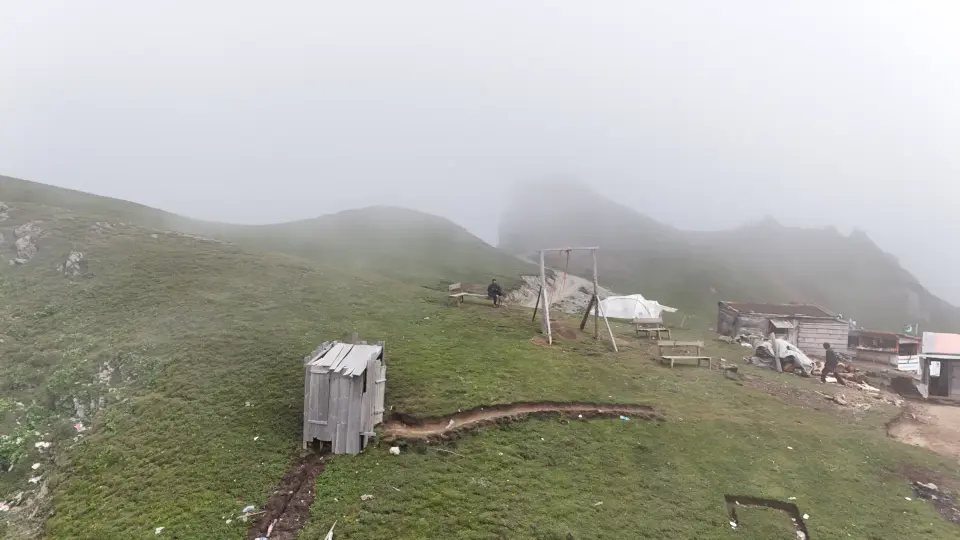
Northern Pakistan has road journeys that are memorable without becoming a technical challenge. It also has side tracks where a casual rental decision can create a serious problem. The practical question is not which route looks most adventurous, but which combination of rider, vehicle, surface, support and current access fits the journey. This guide helps an international visitor compare a motorcycle circuit with a driver-led jeep outing.
The short answer
Choose a route according to surface, conditions and your experience; a main highway transfer and a remote valley track require different plans. Inspect rental bikes, confirm jeep operators and agree a fallback before leaving services. Scenic terrain does not imply legal or unrestricted off-road access.
Field guide / 01
Separate highway touring from off-road riding
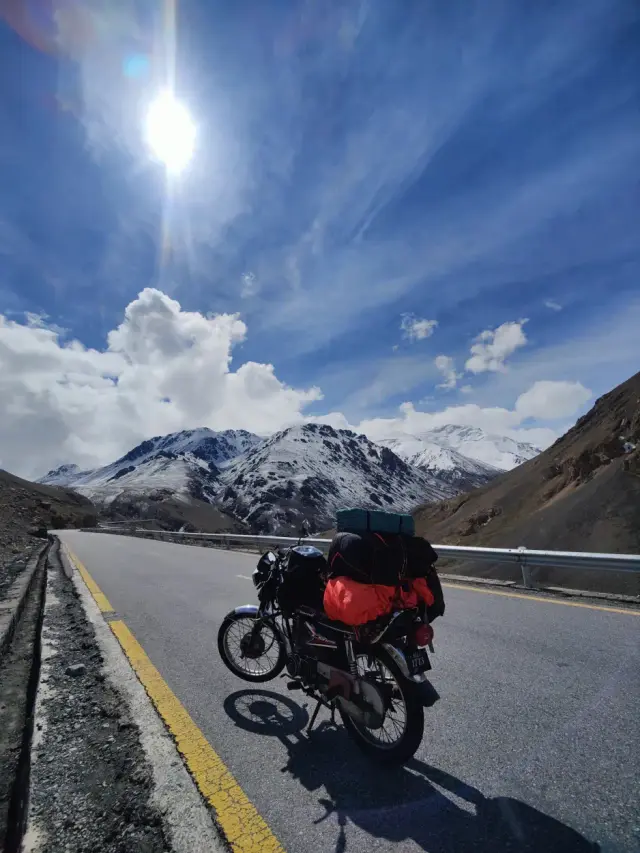
A highway route can still involve mountain weather, traffic and damaged sections, but its planning differs from a remote track. Ask for the expected surface, the most demanding section and the reason a particular vehicle is recommended. Do not accept “easy off-road” without an explanation. A track that was straightforward for a local driver in dry weather may be unsuitable for a visiting rider with luggage after rain. Your route should fit the least experienced participant, not only the strongest rider.
For sightseeing, a hired vehicle with an experienced driver may be more practical than riding an unfamiliar motorcycle. For a rider-focused journey, reduce the daily distance and prioritize support. Explain your road and dirt experience honestly. If the purpose is photography, identify legal stopping places instead of using the bike to reach an unsafe edge. The best route gives you time to notice the landscape without making every stop a recovery from the previous section.
Field guide / 02
Use route families rather than an unverified track list
Think in route families: the Hunza highway corridor, Gilgit-based valley outings, Baltistan excursions and seasonal cross-district connections. Then select a specific outing with current advice. Naltar-side travel, Deosai access, a Shandur connection or a farther valley approach cannot be classified from the destination name alone. Confirm the surface and vehicle requirements separately. A published route from a previous season is historical context, not a declaration that the same track is open today.
Do not combine remote extensions just because they fit on a small map. Identify fuel, water, lodging, repair and return options along the actual route. A day with several track sections needs a different buffer from a paved transfer. If the provider describes every route as available to every bike, ask for a more realistic assessment. For a first northern ride, a shorter base-and-return plan can be a better introduction than a long loop with no simple exit.
Field guide / 03
Inspect a rental motorcycle before agreeing to the route
Check the motorcycle with the provider before departure: tires, brakes, lights, controls, chain or drive condition, visible leaks and luggage mounting. Record existing damage with consent and agree the return standard. Ask what happens if the bike breaks down, which repairs are your responsibility and whether the proposed route is allowed under the rental terms. A casual verbal promise of support is not a breakdown arrangement. Clarify deposit, identity-document handling and the person who receives payment.
Use suitable protective equipment that fits, including a properly fitting helmet. Bring any personal item whose fit is essential rather than assuming a local rental has your size. Test luggage security on a short ride and keep weight balanced. If the bike or equipment does not suit the route, change the vehicle or the route. Do not let a paid deposit persuade you to continue with a fault that should have been resolved at handover.
Field guide / 04
Hiring a jeep: define the vehicle, driver and outing
The word “jeep” can hide important differences in vehicle condition, seating and route suitability. Ask for the actual vehicle, capacity and driver, including where the outing starts and ends. Confirm whether fuel, waiting time, parking, entry charges and any driver accommodation are included. For a rough track, ask how luggage is secured and whether the group will have a seat for each passenger. Do not assume the cheapest shared transfer offers the same comfort or flexibility as a private outing.
Agree on turnaround criteria and how weather-related changes affect the price. A driver’s familiarity matters, but no familiarity overrides a closure or unsafe condition. Keep meal, water and toilet stops in the plan. For visitors with back problems or mobility concerns, describe those needs before accepting a rough-track excursion. A slower accessible itinerary may serve you better than a ride marketed for its dramatic road footage.
Field guide / 05
Seasonal access and insurance must match the exact corridor
Ask about the route close to travel and again before departure from the base. A seasonal pass, a damaged section and a restricted corridor need different decisions. Your insurer may also distinguish guided road touring from off-road riding, or apply limitations to districts and activities. Give the insurer the proposed route and vehicle category. Do not assume that motorcycle rental is covered merely because the policy includes ordinary travel.
A credible backup names the alternative route and overnight, not just “another road.” If a return corridor is unsuitable or excluded by your policy, postponing or shortening the ride may be the right response. Avoid riding after dark to recover a delayed schedule. Agree on daylight limits and a point at which the group stops for the night. The route’s attraction is not a reason to make the final connection depend on optimistic riding times.
Field guide / 06
Fuel, repairs, water and communications
Identify where the provider expects you to refuel and ask how the plan handles an unavailable supply. Carry an appropriate repair plan with tools you can actually use; do not treat a large unfamiliar toolkit as competence. Confirm access to professional assistance and how the bike will be recovered if it cannot continue. Keep drinking water accessible and plan ordinary meals without relying on a remote cafe being open. Avoid carrying hazardous fuel in improvised containers.
Save route and contact information offline. Tell someone when to expect a check-in and how to interpret a missed message in a low-reception area. A spare battery is useful but does not replace an emergency plan. Ask whether the group has suitable communications for its remoteness. If a technical section requires support that is unavailable, choose a different outing. Self-sufficiency should be honest about what the rider can fix and what requires outside help.
Field guide / 07
Ride only where access is legitimate and considerate
Do not create a new track across fields, meadows or a campsite to improve a photograph. Follow established permitted routes and respect landholders, protected areas, settlements and closures. Give pedestrians and livestock space, and slow down where dust affects homes or people at work. Ask before filming residents or mounting cameras inside private premises. A road journey should not leave the local community dealing with noise, ruts or litter after visitors have moved on.
If you want a training or practice session, ask for an appropriate legal location and qualified instruction. A public valley track is not a closed course. Keep the riding objective proportionate to conditions and consider another mode of transport when the group differs widely in experience. Responsible riding often looks less dramatic than social media, but it makes the journey more manageable and the welcome more sustainable.
Field guide / 08
Send a route brief before asking for bikes or jeeps
State dates, party size, rider experience, luggage and the routes that interest you. Explain whether you want independent rental, a supported ride or a driver-led excursion. Ask for a vehicle inspection, permitted-route terms, breakdown responsibilities and an itemized quotation. If the itinerary also needs hotels, meals or camping equipment, include those in the scope rather than adding them casually after the transport is booked. Every service should have a named responsible provider.
You can contact Farhan at Offbeat Camper for a discussion of route choices and local transport enquiries. Farhan can check what coordination may be possible, but this site does not claim ownership of a rental fleet. Compare the motorcycle planning guide and riding and camping packing system before finalizing equipment. Confirm availability, route access and terms before payment.
Keep exploring: Motorcycle travel in Pakistan, the travel guides and the route-based gear checklist.