The difference between a comfortable northern Pakistan stay and a frustrating one is often a detail that never appears in a photograph: room heating, a road reaching the entrance, hot-water timing or a meal after late arrival. For foreign visitors, those details matter more than a generic “best hotels” ranking. This guide offers a consistent way to compare established hotels and small guesthouses without inventing rates or partnerships.
The short answer
Choose accommodation for its exact location and operational facilities, then obtain written room, meal, payment and cancellation details. First-party hotel sites and official tourism contacts are better verification channels than an unconfirmed social-media listing. Dietary and accessibility needs should be agreed directly with the provider.
Field guide / 01
Choose the location before comparing the room
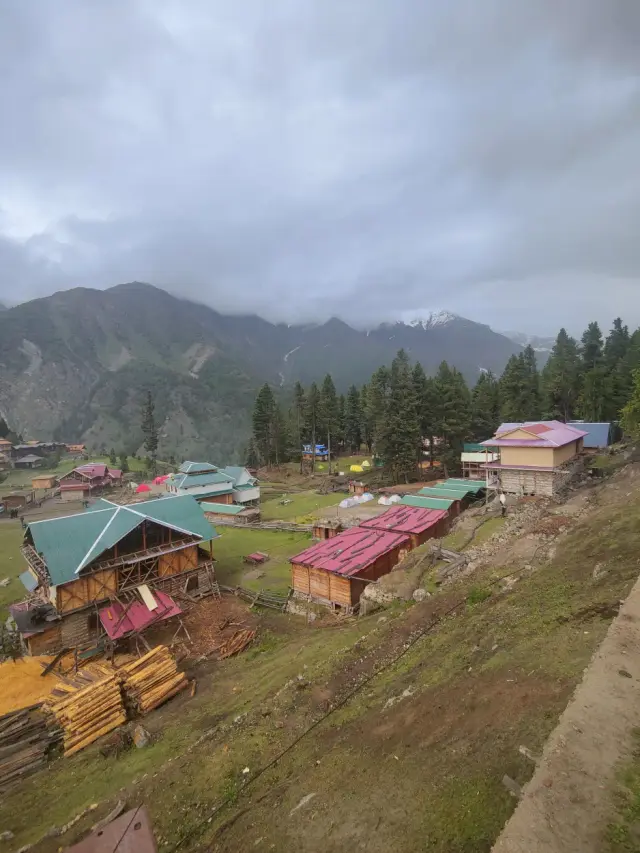
Ask for the exact property location and the activity it supports. A valley label can cover a large area, and a panorama may come with a long daily transfer. Decide whether you want a base near services, a quieter village stay or a property close to a particular outing. Consider arrival after dark, luggage and the onward route. A cheap room can become expensive if it requires repeated private transfers to meals or sightseeing.
For Hunza, compare settled-valley and Upper Hunza priorities. For Baltistan, distinguish a Skardu base from Shigar or Khaplu overnights. Do not move accommodation simply to collect hotel names. Group stays around the experience, keeping arrival and departure practical. Ask who meets you, where the vehicle stops and how you reach reception. A precise location answer is a stronger start than a claim that the property is “near everything.”
Field guide / 02
Hotels and guesthouses solve different needs
A larger hotel may offer more standardized services; a guesthouse may offer closer local interaction and a quieter setting. Neither category guarantees quality. Compare private bathroom arrangements, heating, meal availability, staffing and the process for resolving a problem. Ask whether someone is available when you arrive and how to reach them if reception is closed. A family-run stay can be excellent when expectations are explicit rather than based on a city-hotel standard it never promised.
Explain party composition, room sharing and bed requirements before accepting a quotation. A “double room” may not answer whether beds can be separated or whether a child’s bed is included. Ask for the actual room category and building, especially when a listing combines photographs from several types. For an extended stay, clarify cleaning, laundry and meal arrangements. Pay attention to operational answers, not only the warmth of the conversation or a polished profile.
Field guide / 03
Heating, hot water and access should be specific
Ask how a room is heated, whether availability depends on a schedule or supply, and whether additional charges apply. Ask when hot water is available and what happens if the system fails. In colder periods these are central booking criteria, not minor luxuries. For power-dependent medical or essential equipment, discuss the requirements with an appropriate professional and the property before travel. Do not rely on a generic claim that backup power covers every device.
For mobility, ask about stairs, paths, bathroom layout and vehicle access. “Easy access” means different things to different people, so describe the assistance or arrangement needed. Request truthful current photographs when a feature matters. If the property cannot confirm the requirements, choose another rather than assuming it will work on arrival. A suitable room should make the rest of the journey easier, not become the day’s most demanding terrain.
Field guide / 04
Use direct websites as verification channels, not endorsements
Examples of first-party property information include Hunza Serena — direct hotel information and Serena Khaplu Palace — direct hotel information. These links identify direct sources for published location and facilities; they are not a ranking, a claim of availability or an Offbeat Camper partnership. Check current room offers and confirm what is included directly. For other properties, compare the domain, contact details and payment recipient before transferring a deposit. A copied photograph or messaging profile alone is weak verification.
Use GB Tourism — regional tourism office directory when you need a public local tourism contact, and ask the relevant regulator how to check a provider where appropriate. Review recent comments for repeated operational concerns, but distinguish an isolated complaint from a consistent pattern. Do not assume a high rating proves a room fits your specific needs. A written answer about heating, accessibility or dietary requirements is more useful than hundreds of generic positive reviews.
Field guide / 05
Meals, local food and dietary needs
Tell the kitchen what you cannot eat, how strict the restriction is and whether cross-contact matters. A preference, an allergy and a medical dietary requirement need different discussions. Ask what can be prepared on the actual dates, not what appears on a large online menu. For late arrivals and early departures, confirm meal timing. A guesthouse may need notice to prepare dinner, while a remote stop may have a limited selection.
Trying local food should be a conversation rather than a promise that every dish is available everywhere. Ask hosts what is suitable and seasonal, and be clear about your comfort with ingredients. Plan drinking water and supplies for excursions separately from hotel meals. If the itinerary includes camping, establish who cooks, what equipment is supplied and how dietary needs are handled. Do not let “meals included” hide an arrangement the group cannot actually use.
Field guide / 06
Deposits, currency and cancellation terms
Get the room category, dates, party size, included services, total charge and cancellation conditions in writing. Confirm currency, payment method and the recipient’s identity. Ask for a receipt and a booking reference. Clarify how flight disruption affects the stay: can dates move, is a credit offered or is the deposit lost? A verbal promise of flexibility is difficult to rely on when the person handling the booking changes.
If a planner coordinates several services, distinguish supplier charges from any coordination fee. Ask who holds the deposit and who handles refunds. Avoid paying a large unexplained amount to an unrelated personal account. Keep a record of the approved itinerary and changes. Prices are not listed here because room categories, seasons and terms vary; a current itemized quotation is more useful than a precise but stale nightly figure.
Field guide / 07
Match the room to transport and excursions
Tell the accommodation provider when you expect to arrive and how changes will be communicated. Tell the driver where the room is, where parking is possible and whether luggage needs assistance. Check meal availability if a sightseeing day finishes late. A plan that books transport and rooms separately without sharing these details can create avoidable confusion. Keep the last northern stay compatible with the return, not simply with the most impressive view.
For a camp-to-hotel transition, ask about storing bags, wet equipment and check-in timing. For a motorcycle journey, confirm secure parking and whether basic laundry can be arranged. For a family, plan rest rather than using the room only as a late-night stop. If a property is remote, identify what supplies or services need to be arranged before arrival. Accommodation is part of the route’s infrastructure, not an isolated purchase.
Field guide / 08
Request accommodation support with a usable brief
Send dates, room requirements, budget range, desired area and non-negotiable facilities. Explain whether you want suggestions only, availability enquiries or coordination of a confirmed booking. Include meals, dietary needs, transfers and any existing reservation. Ask for two or three relevant options with clear tradeoffs rather than a long ranking of properties. A shortlist becomes more useful when each choice explains location, comfort and cancellation terms.
You can contact Farhan at Offbeat Camper for local accommodation and food-planning enquiries in connection with your route. Any rooms, kitchen arrangements or transfers need confirmation with the named provider. Offbeat Camper does not claim guaranteed inventory or exclusive hotel relationships. Compare the Hunza base guide and Skardu base guide first so the stay supports the journey you actually want.
Keep exploring: Pakistan travel guides, the travel guides and the route-based gear checklist.