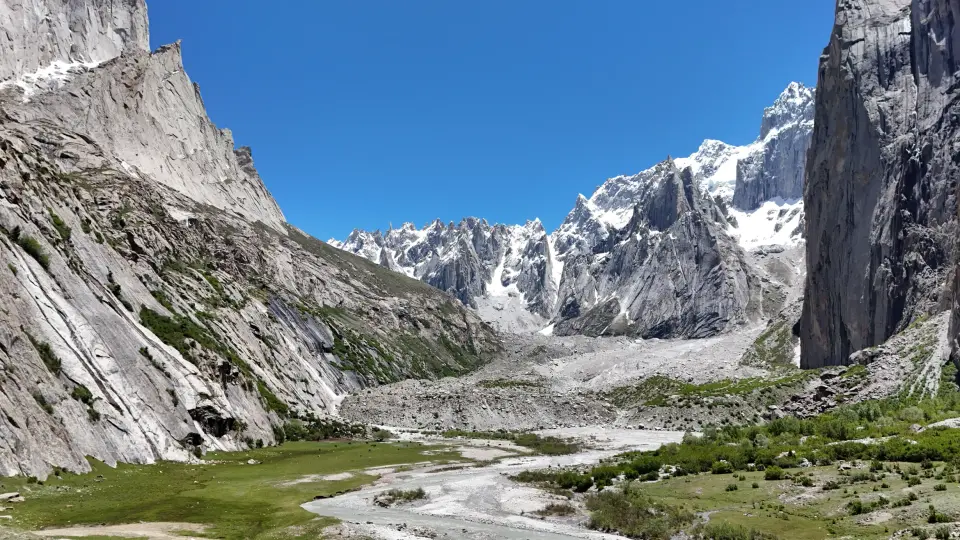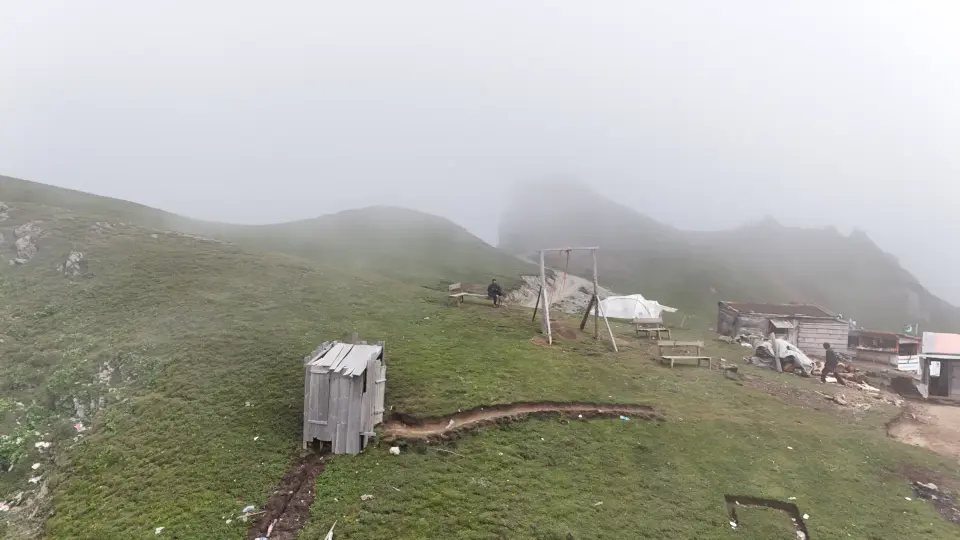
Northern Pakistan rewards a journey with breathing room. The difficult part is rarely choosing a photograph: it is deciding which valley fits your dates, how to reach it, and what happens if the mountain flight does not operate. This guide helps an overseas visitor build a workable brief before paying deposits. It is a planning framework, not a dated package, a promised departure or proof that every route is open.
The short answer
For a first visit, choose Hunza or Skardu as your main northern base, add the second only if time and access allow, and reserve uncommitted days before your international departure. Islamabad is a practical planning gateway, but flight schedules, visas, insurance and route access need individual verification.
Field guide / 01
Choose one main region before building the route
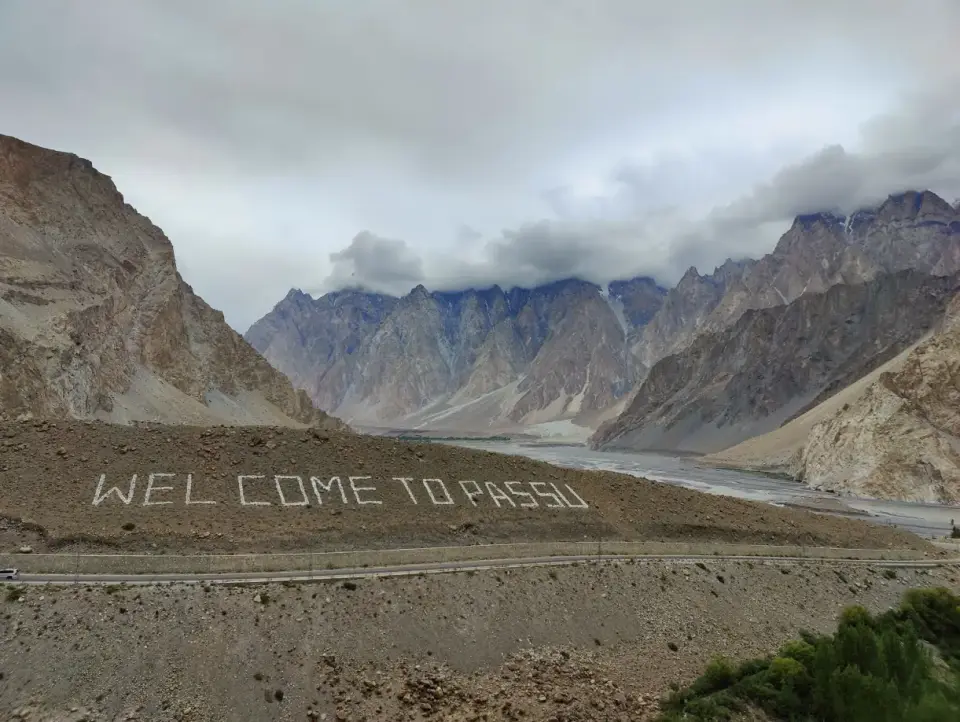
Hunza suits travelers who want valley settlements, mountain viewpoints and a road-based circuit with shorter walks. Skardu is a useful base for the lakes and valleys of Baltistan, with additional travel needed for Shigar, Khaplu and seasonal Deosai access. Chitral is a different journey rather than a convenient extra night on the same loop. Pick the experience you actually want: village stays, photography, trekking, riding or comfortable sightseeing. A list containing all five usually needs more time than a first draft suggests.
Draw two versions of the trip: a core route you would still enjoy if access changes, and optional extensions. Give the core route the best rooms and the easiest transport connections. Use our Hunza guide and Skardu guide to compare the bases. Keeping one optional valley outside the paid itinerary is more useful than promising yourself a daily highlight in a different district.
Field guide / 02
Arrive through Islamabad, Lahore or Karachi deliberately
Your international arrival city and your mountain gateway do not have to be the same. Islamabad can simplify onward planning; Lahore and Karachi may suit the international ticket or a city visit. Compare the total journey, not only the cheapest arrival fare: a domestic transfer, baggage allowance, an overnight stop and separate tickets can erase the saving. A camping bag or motorcycle helmet also changes what is easy to carry. Confirm the airport, check-in rules and whether luggage is protected across a connection.
Keep a recovery night after a long-haul journey, then use the first city day for cash, supplies and a confirmed onward plan. Ask your mobile provider about roaming; for a local SIM, use an authorized outlet and bring the identification it requests. Do not assume every valley has usable mobile data or card payments. Pakistan International Airlines — live schedules and bookings is a starting point for checking available flights, not evidence that a particular departure operates from every city on your dates.
For an Islamabad buffer day, choose a city visit such as Lok Virsa or Saidpur, or assess a Margalla walk on Trail 3 or Trail 5. The Capital Development Authority — adventure and trails identifies these places, but current opening and access instructions still need checking. Do not build a first day after a long-haul flight around a strenuous hike. Allow time to inspect supplies and confirm the onward transfer, and keep any city outing easy to shorten.
Field guide / 03
A flexible fourteen-day planning example
Treat the following as an allocation of time, not a bookable itinerary. Days one and two can cover arrival and preparation in Islamabad. Days three to six belong to your primary northern base, with time to settle, explore locally and take one longer outing. Days seven to ten can extend the same region, or introduce a second base only when the transfer is sensible. Days eleven and twelve are reserved for the return and disruption. Days thirteen and fourteen keep you near your international departure airport.
For a Hunza-first journey, divide the regional days between the Karimabad area and Upper Hunza rather than commuting from one room to every distant stop. For a Skardu-first journey, group lake visits together, then choose Shigar or Khaplu as an overnight extension. An expedition trek cannot be squeezed into the optional portion of this example. If you only have a week, simplify to a single base and fewer outings. Your flight home should not depend on a mountain connection landing perfectly the same afternoon.
Field guide / 04
Build a flight-disruption plan that your insurance permits
A backup must be more than “we will drive.” Identify the road corridor, likely overnight stops, vehicle suitability and whether your nationality’s travel advice affects insurance cover. A seasonal road may be unavailable; a year-round route is not automatically appropriate for all visitors. Ask the insurer about the actual districts and activities rather than a generic country label. Record who decides to delay, reroute or cancel, and who pays for the resulting room or transfer.
The UK FCDO — Pakistan regional travel risks is especially important for UK travelers: it identifies significant restrictions along parts of the Karakoram Highway corridor. Do not assume the Besham route is an acceptable fallback when another pass closes. Travelers from other countries should also read their own government’s current advice and policy wording. A shorter trip with a safe, insured fallback is preferable to a longer route whose return depends on unverified assumptions.
Travelers from the USA, Canada and Australia should use US State Department — Pakistan travel advisory, Government of Canada — Pakistan travel advice and Australian Smartraveller — Pakistan advice before choosing a route. On this guide's review date, Canada's advice specifically cautions against road travel into Gilgit-Baltistan. Do not assume an overland fallback is suitable for a Canadian visitor. Read the full current advisory and ask your insurer about the actual itinerary before paying for transport. These links are official assessment channels, not confirmations that a trip is safe.
Field guide / 05
Match accommodation and transport to the traveler
A hotel photograph cannot tell you whether the room has reliable heating, stair-free access, hot water at your arrival time or a quiet place to sleep. State your non-negotiables before requesting recommendations. Families may need connected rooms; a photographer may prioritize sunrise access; a solo traveler may prefer a staffed property near services. Ask what “private transfer” includes: vehicle type, driver, fuel, parking, waiting, accommodation for the driver and any separately charged jeep excursions.
For meals, explain allergies and dietary restrictions in plain language and ask what can actually be prepared. For gear, provide sizes and the activity, not just “outdoor equipment.” Use the hotel and food booking checklist to compare offers consistently. Local support can help collect these answers, but confirmation must come from the named provider. A planning conversation is not a guarantee of a room, driver, flight or rental inventory.
Field guide / 06
Documents, money and communications before the north
Start with NADRA — Pakistan online visa portal, selecting the application category that fits your real activities. Keep passport, visa, booking and insurance copies available offline; share sensitive documents only through an agreed private channel. A general sightseeing plan and a restricted-area trek can have different requirements. A contact who gives route advice cannot issue an official permit. Ask the relevant authority about your precise route, nationality and dates rather than relying on a social-media comment from another traveler.
Carry a payment plan with more than one method, and separate the money needed for daily purchases from deposits. Ask accommodation and transport providers about settlement currency, receipts and cancellation terms. Save essential phone numbers and addresses before leaving a well-connected city. Tell someone at home when to expect a check-in and when a missed message should trigger concern. Poor reception should be anticipated; it should not be used as an excuse for an itinerary without an emergency arrangement.
For public tourism enquiries, the GB Tourism — regional tourism office directory publishes the GB Secretariat number +92 5811 920173, Directorate of Tourism & Culture +92 5811 920573, and Islamabad sub-office +92 51 2726976. These are office contacts checked on 11 October 2026, not a promise of emergency dispatch or 24-hour response. Use the linked official directory to recheck them. For a personal planning enquiry, message Offbeat Camper here: .
Field guide / 07
Use local support without surrendering your decisions
A useful planner translates your interests into realistic choices, explains alternatives and names the provider responsible for each booking. Ask for a written scope: itinerary advice only, introduction to a driver, accommodation enquiries, or coordination of several services. Clarify whether deposits are paid to a supplier or an intermediary. Request a breakdown rather than a single unexplained total. A reputable process leaves room for your questions and does not require a rushed payment to an unnamed person.
You can contact Farhan at Offbeat Camper with your arrival city, travel dates, party size, preferred region and comfort level. Offbeat Camper welcomes enquiries about route planning, local accommodation, food, transport, gear and campsite options. Farhan can discuss the support needed and check what is feasible; any arrangement remains subject to a written scope, provider confirmation and current conditions. No government authorization, tour-operator licence or round-the-clock emergency service is implied by this editorial site.
Field guide / 08
Your final pre-departure checklist
Before committing, you should be able to answer six questions: where will we sleep each night; how will we move; which activities need advance approval; what changes if the weather turns; who holds the confirmed bookings; and how do we reach our departure city with time to spare? If a day has no clear overnight or return option, repair the plan before adding another viewpoint. Keep one offline version of the itinerary and tell the relevant suppliers about changes.
Ask for a final conditions review shortly before travel, using Pakistan Meteorological Department — forecasts and warnings and regional tourism information alongside the people operating your transfers. A route brief reviewed last month is not a live clearance today. For an easy city activity while waiting, the Capital Development Authority — adventure and trails lists Islamabad trail information; choose according to conditions and ability. Send Offbeat Camper the unresolved decisions rather than asking for “the best trip” without dates. Specific questions create better local answers.
Keep exploring: Pakistan travel planning, the travel guides and the route-based gear checklist.