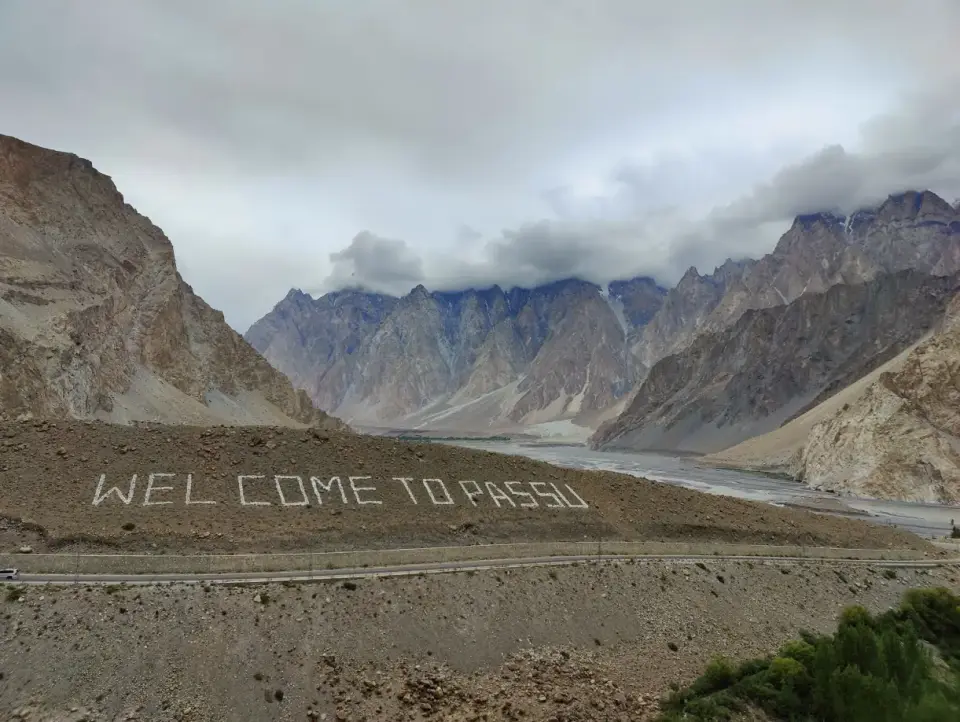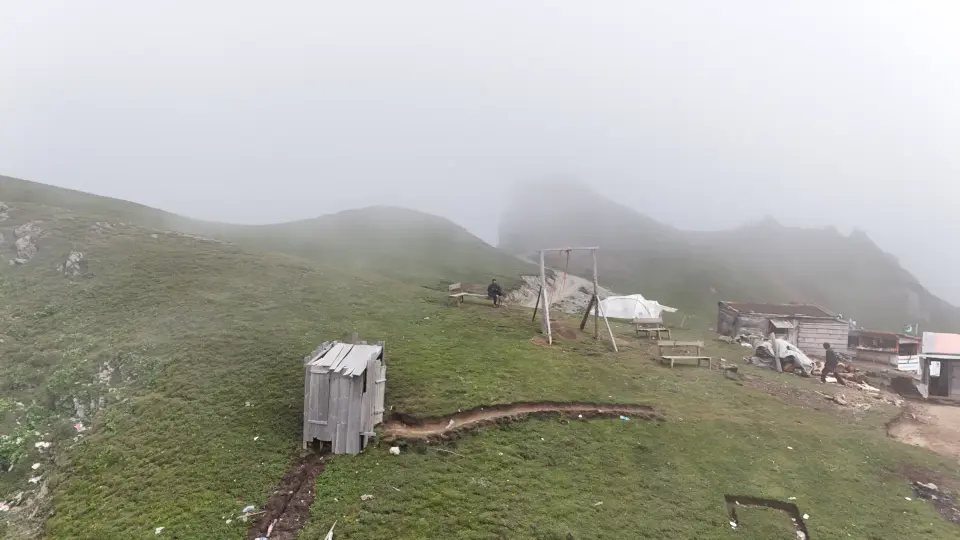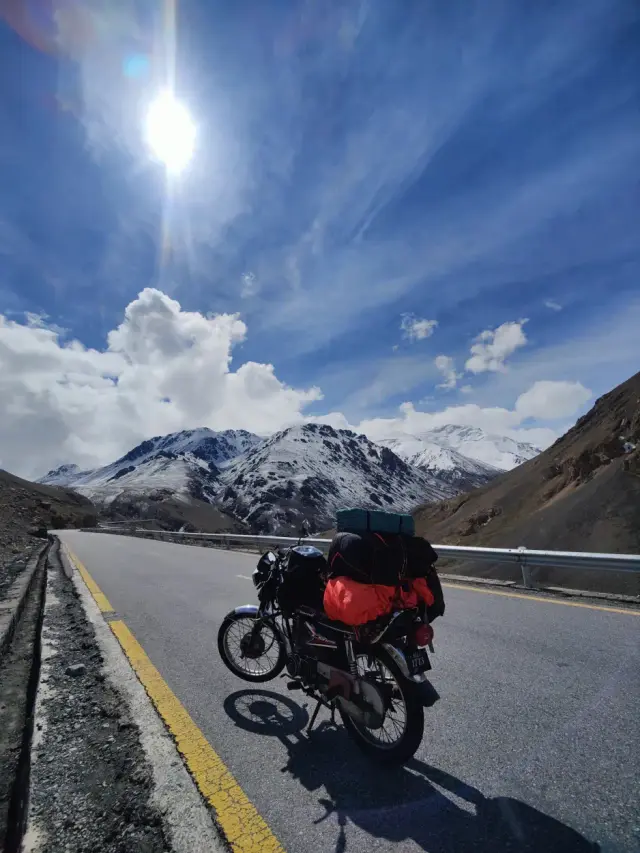
Chitral deserves more than a quick detour between famous northern names. The practical route, the communities you visit and the seasonal conditions are distinct from a standard Hunza or Skardu circuit. For international travelers, a thoughtful brief should explain why you want to visit, how you will move between valleys and how you will behave around private and cultural spaces. This is a planning guide, not a promise of open access.
The short answer
Plan Chitral as its own regional route, confirm the current approach and any visitor registration requirements, and arrange Kalash-valley visits with cultural and photography consent. Upper Chitral and Shandur extensions need separate seasonal and transport checks.
Field guide / 01
Start with a Chitral-specific route and current advice
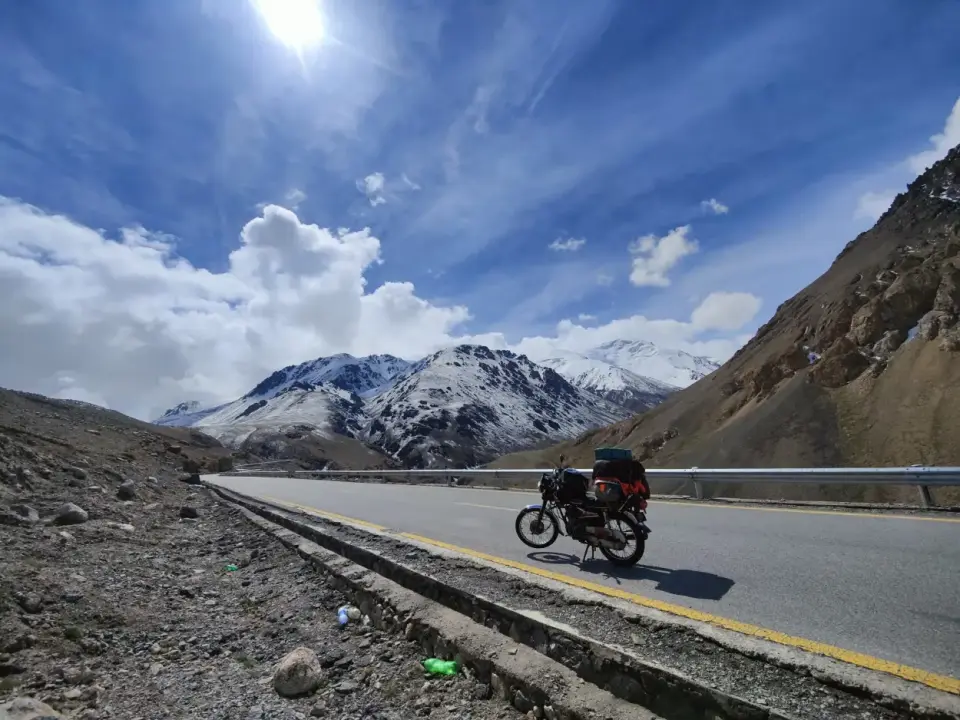
Use the government KP Board of Investment — Chitral district profile for regional context and Khyber Pakhtunkhwa Tourism — official information for tourism information, then verify current access before booking. Do not assume that road conditions or procedures from Gilgit-Baltistan apply unchanged. Identify the actual approach, overnight stops and the return route. Ask your own government’s travel-advice service and insurer about the places you plan to enter. A general statement that northern Pakistan is beautiful does not answer the practical security or coverage question.
Choose whether the journey concentrates on Chitral town and nearby valleys or extends farther north. Moving accommodation every day can make cultural visits feel hurried. Keep an arrival day for settling and confirming arrangements. If a supplier proposes an itinerary with several distant valleys, ask which transfers are substantial and which visits depend on weather. A route with a smaller radius and reliable local support can be more rewarding than an ambitious loop.
For Canadian visitors, Government of Canada — Pakistan travel advice currently distinguishes Chitral from some other KP districts but still advises against non-essential visits and warns against reaching the area by road. Check the current wording and your insurance before considering this journey. UK, US and Australian visitors should also consult their own advisory services. A local planner's confidence cannot override official restrictions or restore insurance coverage for an excluded route.
Field guide / 02
Kalash-valley visits require respect, not a performance schedule
A cultural visit should begin with consent and interpretation. Ask a local host or guide what visitors may enter, where photography is appropriate and whether a community event welcomes outsiders. People are not background subjects for a travel portfolio. Do not expect ceremonial clothing, private rituals or access to homes on demand. If a festival is part of the plan, confirm current dates and visitor arrangements rather than relying on an old annual calendar.
Agree how a guide will introduce your group and which activities are included. Dress and behave with consideration for the setting, avoid blocking village paths and ask before taking portraits. Buying a service or paying an entrance charge does not purchase unrestricted photography rights. If the experience matters to you, allow enough time for conversation and explanation. A respectful village stay is more useful than a rushed drive aimed only at obtaining a recognizable image.
Field guide / 03
Town stays versus valley guesthouses
Compare the practical benefits of each base. A town stay may simplify services and onward transport; a valley guesthouse may reduce repeated transfers but have a smaller menu, less connectivity or different heating arrangements. Ask about private bathrooms, hot water, meal times, parking and access with luggage. Confirm the actual room category and whether the building pictured is where you will sleep. State any mobility needs before accepting a booking.
For an overseas visitor, the most valuable answer may be a straightforward description of limitations. If power, internet or hot water is intermittent, you can plan around it when told in advance. If the provider responds only with polished photographs, ask again for operational details. Keep a meal and water plan compatible with your stay, especially when arriving late. A quiet location should not leave you without an agreed way to reach the next transfer.
Field guide / 04
Upper Chitral and Shandur are intentional extensions
An Upper Chitral extension changes the scale of the journey. Confirm the road, stops, overnight services and the vehicle that will complete the transfer. If a pass connection is part of the route, ask whether it is open now and whether the same driver can continue. Do not assume a seasonal scenic corridor is available merely because it appears on a map. Keep a fallback that returns you to the departure gateway without requiring the pass.
An event or remote landscape may attract you, but the trip needs a workable arrival and departure plan around it. Ask what is actually operating at the overnight point and whether accommodation must be reserved well ahead. If the dates change, a different local itinerary may be better than a rushed attempt to preserve every stop. Treat a district crossing as a confirmed transfer with clear responsibilities, not an informal promise to “see how far we get.”
Field guide / 05
Walks, mountain views and difficult objectives
Separate an easy settlement walk from a mountain route. Ask where the trail begins, how it returns, what the footing is like and whether the outing has exposed or technical sections. A mountain backdrop does not make every path suitable for a beginner. For a more demanding objective, use a appropriately qualified guide, suitable equipment and an emergency plan. Tell the provider about your genuine experience rather than listing the best hike you once completed under different conditions.
Expedition objectives, restricted routes and ordinary sightseeing can involve different approval processes. Read the permit and mountain planning guide and obtain an authority’s answer for the specific route. Do not infer approval from another foreign traveler’s visit. The absence of a checkpoint in a photograph is not evidence that no registration or permission is required. If the route cannot be confirmed, select an established alternative.
Field guide / 06
Seasons, clothing and a sensible daily rhythm
Plan clothing for the overnight location and exposure, not the airport temperature. A day that starts warm can finish cold after a valley transfer. Keep rain protection and a spare insulating layer accessible rather than buried under luggage. In winter, check heating and transport reliability before prioritizing scenery. In warmer periods, ask about the current condition of water crossings and road surfaces after weather, rather than assuming the summer calendar means stable access.
The seasonal planning guide helps compare trip styles, but local checks remain necessary. Build the day around daylight, meal arrangements and return travel. A late departure from a valley visit can make the final transfer unnecessarily stressful. Keep the itinerary flexible enough to turn a poor-weather day into a town visit or rest day instead of forcing an exposed road or trail activity.
Field guide / 07
Verify permissions and contacts without sharing private numbers
Use official tourism and administrative channels for public requirements; ask providers for consent before sharing their personal contact details. Save the hotel, driver and guide information offline, together with the dates and scope of the booking. Know which person is responsible for a transfer and which person can answer a cultural-access question. A generic WhatsApp group is not a substitute for a confirmed local arrangement or an official answer.
For documents, share only what is needed through an agreed private channel and keep a record of where it was sent. Ask about any requested registration before arrival so the itinerary allows time for it. A guide may help interpret a process but cannot waive an authority’s rules. If someone says that requirements are irrelevant because tourists never get checked, seek a more reliable source. The plan should withstand a legitimate question from an official.
Field guide / 08
Prepare a respectful Chitral enquiry
State whether your main interest is culture, landscape, walking or a longer northward route. Provide dates, party size, arrival city and the number of nights available. Mention dietary needs, accommodation comfort and whether you want interpretation during cultural visits. Identify fixed departure bookings and the flexibility remaining. Ask for a realistic plan with current access checks, not a guarantee of a festival or ceremony happening on demand.
You can contact Farhan at Offbeat Camper to discuss a Chitral route and the type of local coordination you need. Any accommodation, vehicle, guide or onward connection must be confirmed with a named provider and agreed terms. Farhan’s support enquiry is not a representation that he owns local transport or is an authorized official. The aim is to help you compare an achievable journey and understand the questions that should be resolved before travel.
Keep exploring: Pakistan destination planning, the travel guides and the route-based gear checklist.